Introduction
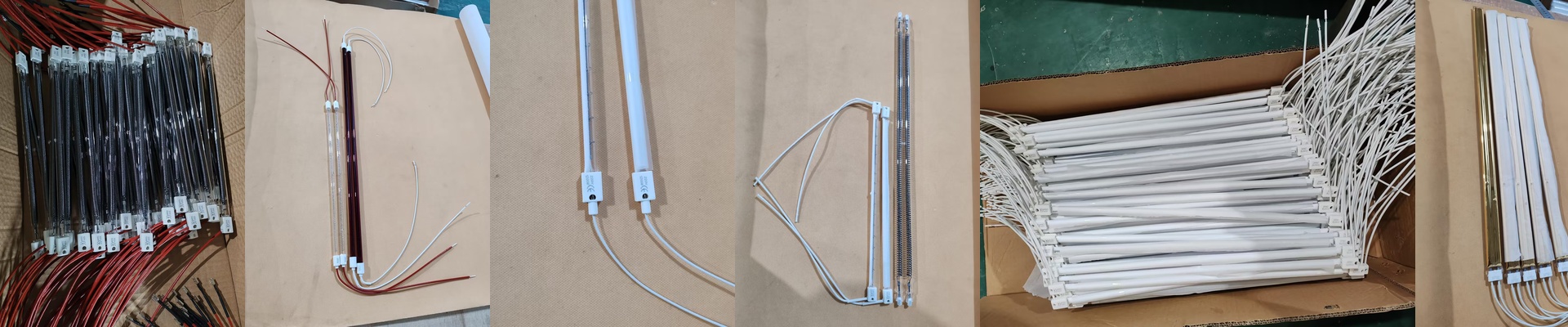
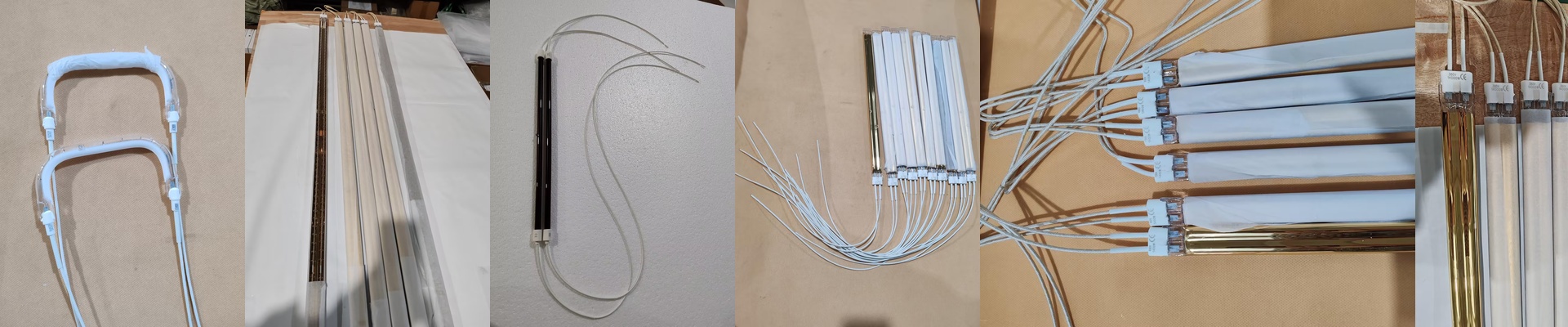
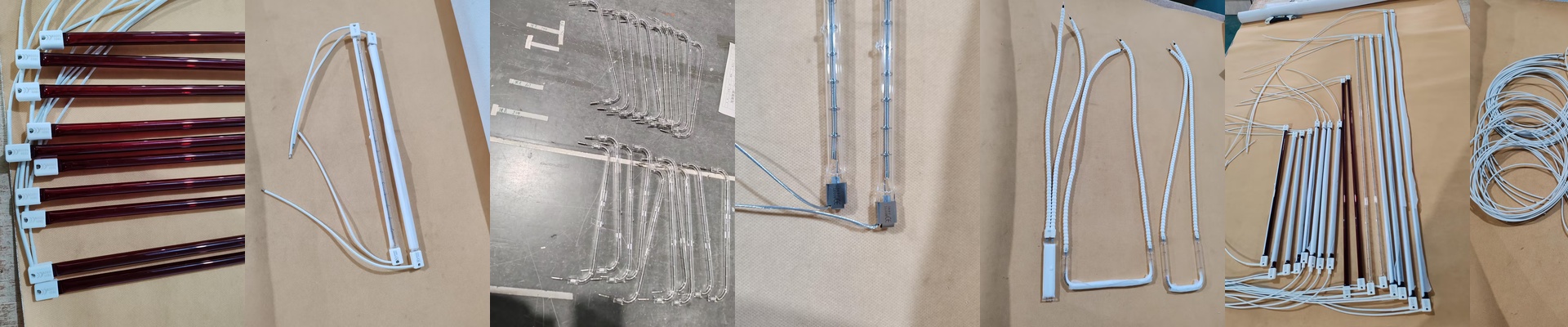
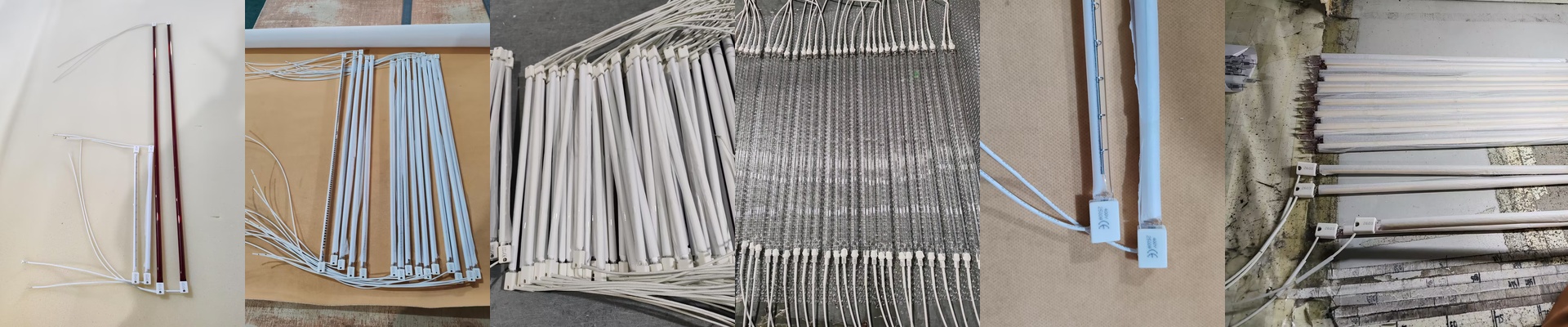
We engineer the 2500W halogen heat lamp as a dedicated, high-intensity infrared emitter for industrial process heating. When you need to heat a target quickly—whether for curing, drying, or maintaining melt temperatures—this lamp delivers concentrated radiant energy in a compact form factor. It is designed to integrate into existing equipment with minimal rework, using standardized mounting and electrical interfaces.
Technical Deep-Dive: Power, Voltage, and Dimensions
The 2500W rating is not arbitrary; it is sized to deliver high heat flux in a small footprint. At this power level, the lamp produces intense infrared output, enabling rapid temperature rise on the target surface without heating the surrounding air. This matters when your line speed is fixed and your dwell time is short. Voltage selection is a key engineering trade-off. A 2500W halogen lamp can be built for multiple voltages, but we typically match the voltage to your machine’s control architecture. Higher voltage options reduce the current draw for the same power, which lowers cable size, reduces I²R losses, and simplifies wiring runs inside equipment enclosures. Lower voltage options make direct connection easier in portable or low-voltage control panels but require thicker conductors. Physical dimensions are driven by two constraints: optical control and mechanical fit. The lamp length sets the illuminated zone and determines how evenly the heat is distributed across the target width. The diameter defines the filament-to-envelope spacing, which influences thermal stability and filament support. If you are replacing an existing unit, matching the overall length and diameter is critical to maintain the original heat pattern and mounting clearances.
Material & Design: Halogen Chemistry, Quartz Envelope, and Connectors
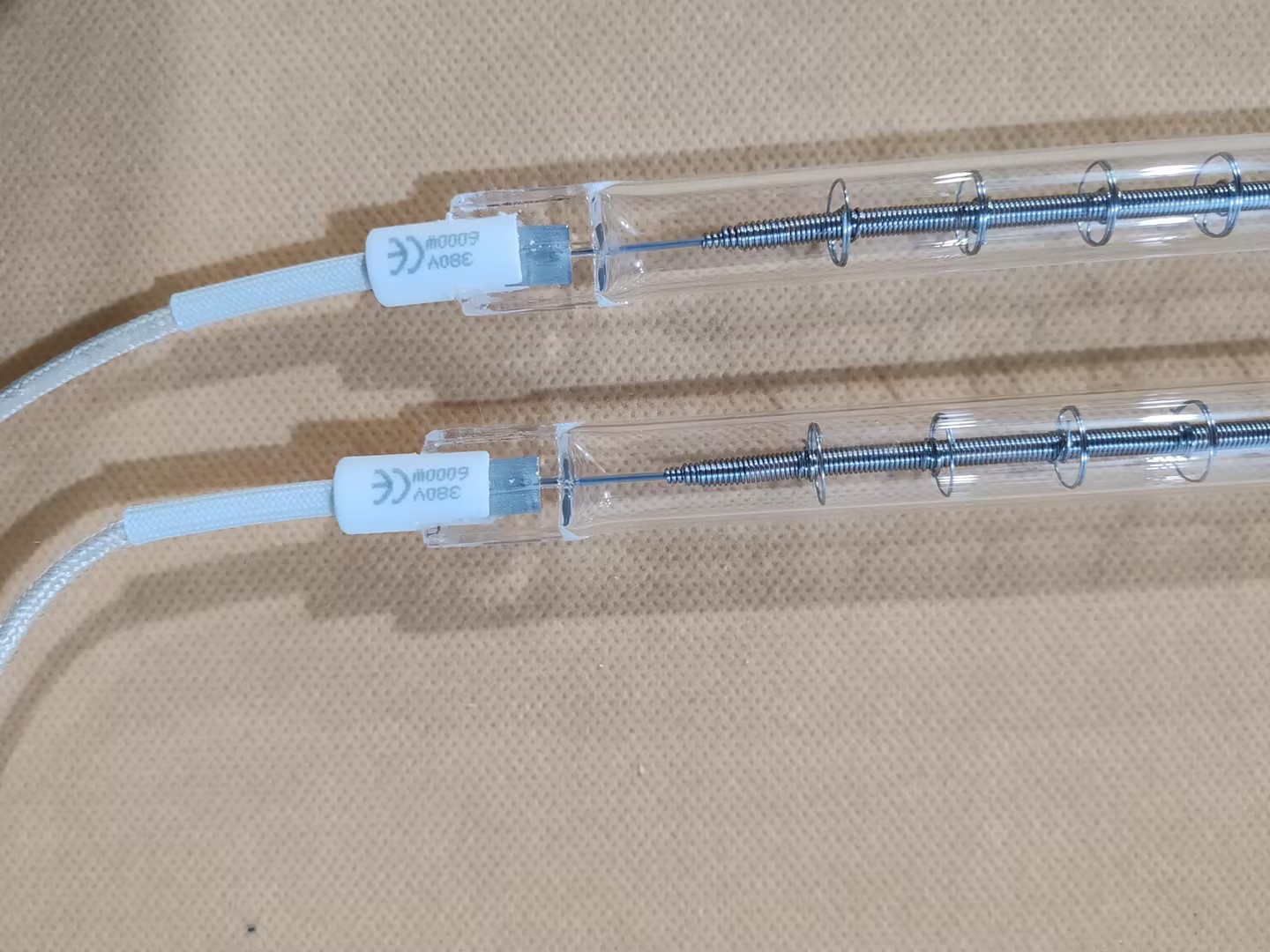
Halogen technology is chosen because it keeps the filament clean. Inside the quartz envelope, the halogen cycle returns evaporated tungsten back to the filament, which stabilizes output and extends life compared to standard incandescent designs. This matters on the shop floor where lamp burn-out means downtime. The quartz envelope is selected for high temperature resistance and high infrared transmission. It handles the thermal shock of rapid cycling and maintains structural integrity at the temperatures required for 2500W operation. Depending on the application, we apply coatings to tailor the spectral output—controlling how much energy is delivered in shortwave versus medium-wave bands. Connectors are not an afterthought. The R7s base is a common choice because it provides secure mechanical retention and repeatable electrical contact, with the added benefit of being a standard form factor in many industrial heaters. It allows you to swap lamps quickly without modifying sockets or rewiring. When we spec an R7s interface, you get a drop-in replacement that locks in place and stays aligned under vibration.
Application & Benefits: Solving Real Process Constraints
We design this lamp for engineers who need predictable heat, repeatable mounting, and serviceable components. In plastic processing, it can be used for pre-heating parisons or maintaining tool temperatures. In coating and converting lines, it provides rapid drying by delivering energy directly to the surface. In assembly processes, it enables fast curing without overheating adjacent parts. The practical benefits come down to control and uptime. The halogen chemistry provides stable output over the life of the lamp, so your temperature setpoints remain consistent. The R7s base reduces installation time and minimizes connection issues. And the concentrated heat allows you to achieve high temperatures with a compact heater assembly. The trade-off is thermal management. A 2500W halogen lamp generates significant heat density, and the surrounding equipment must handle the rejected heat. Make sure your reflector geometry is matched to the lamp, and confirm your machine’s cooling and ventilation can keep sockets and wiring within safe temperature limits. Plan your airflow and shielding the same way you plan your power wiring.