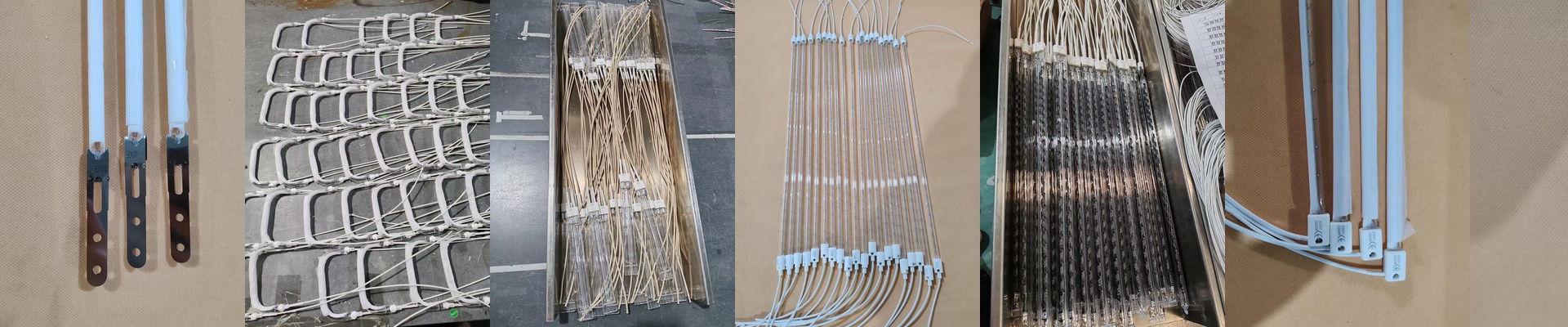
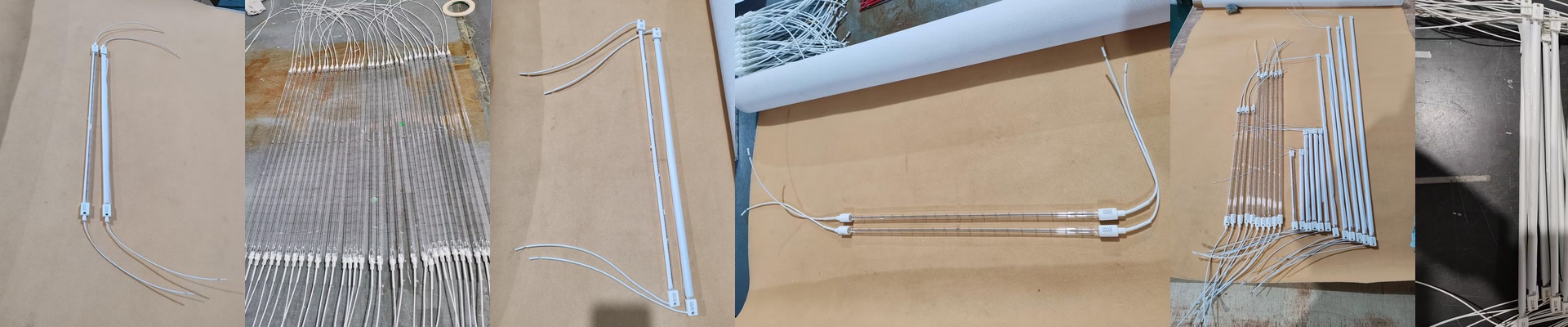
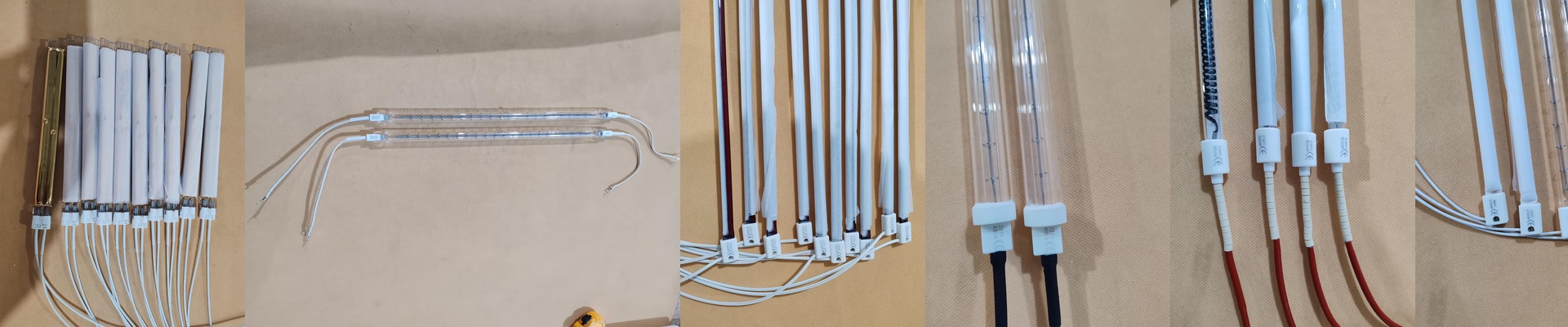
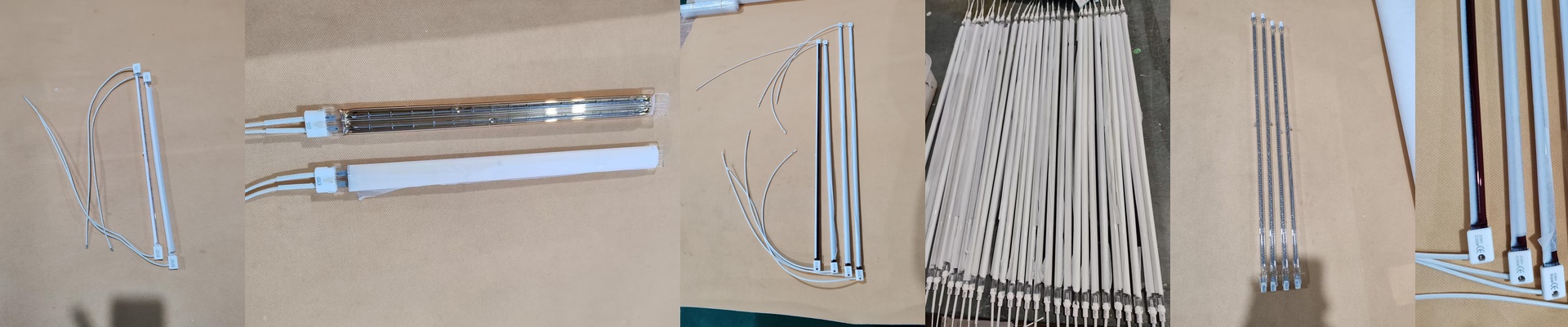
The Real Deal on Industrial Halogen Lamps
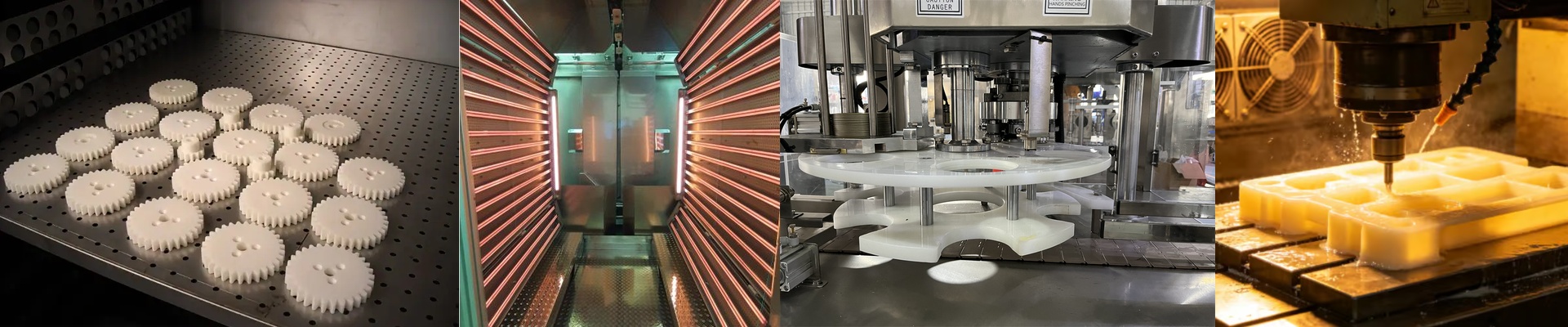
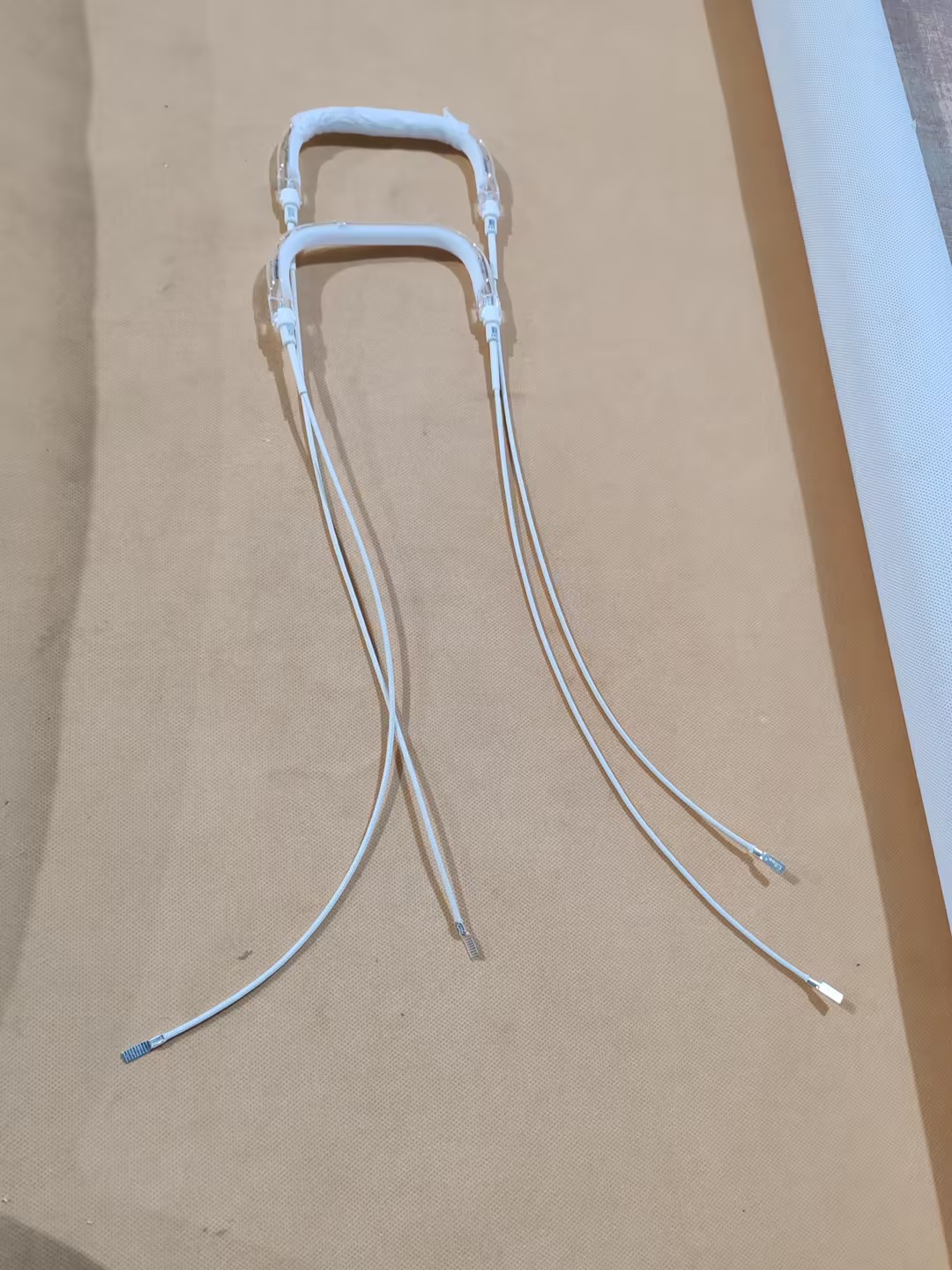
We build halogen lamps for those high-intensity jobs where you need serious heat, fast. Basically, we take a tungsten filament, wrap it in a quartz envelope, and pump in a halogen gas mix. Why? Because it stops the filament from evaporating too quickly. That means we can crank the temperature way past what you’d get from a basic old-school light bulb. Getting the heat right The magic happens in the wattage-to-length ratio. If you pack a lot of wattage into a short tube, you get a really concentrated heat footprint. We can tweak the voltage to fit whatever power rails you’re already running. High-voltage tubes are great because they pull less current, so you can get away with thinner wiring across your heating bank. But here’s the catch: more power density means more stress on the quartz.**Keep your reflectors spotless.**If they’re dirty, the heat bounces back into the tube and burns it out way sooner than it should. The build and the fit To handle the brutal thermal shock, we use high-purity quartz. It’s tough. For the ends, we offer R7s or Sk15 connectors. Most of the time, these are just drop-in replacements for the ovens you already have on your floor. Some of our tubes have a special coating that shifts the infrared spectrum. It’s a neat trick—instead of just scorching the surface of your material, the heat actually sinks deeper inside. Making it work in your shop If you’re doing PET blowing or curing plastics, these are your best bet. They ramp up incredibly fast. We’re talking full temp in seconds, which clears up your cycle times and gets things moving. A quick tip: use a PID controller. You don’t want the temp to overshoot. If you just wire these up without proper voltage regulation, you might snap the filament on that first cold start. And please, check your cooling fans. Make sure they can handle the total wattage of the bank, or you’ll end up melting your housing. Not a great look.