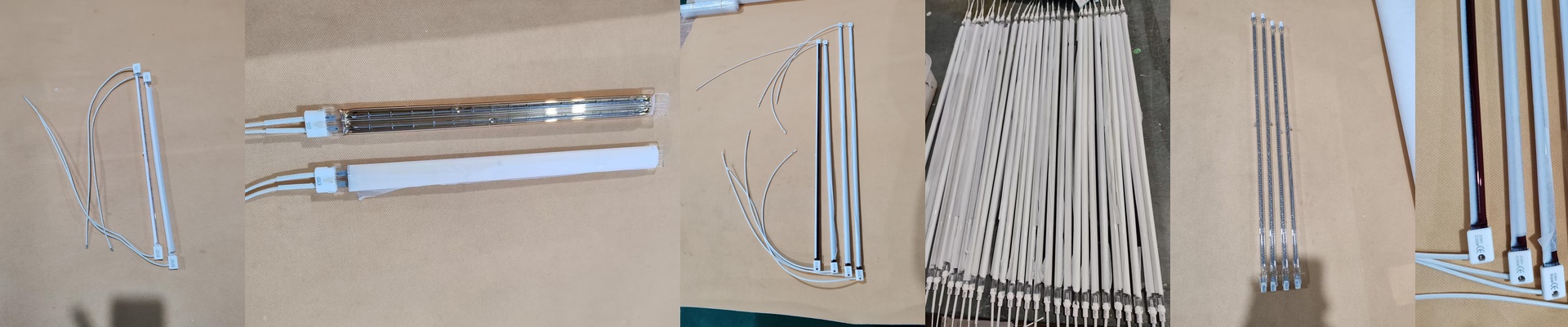
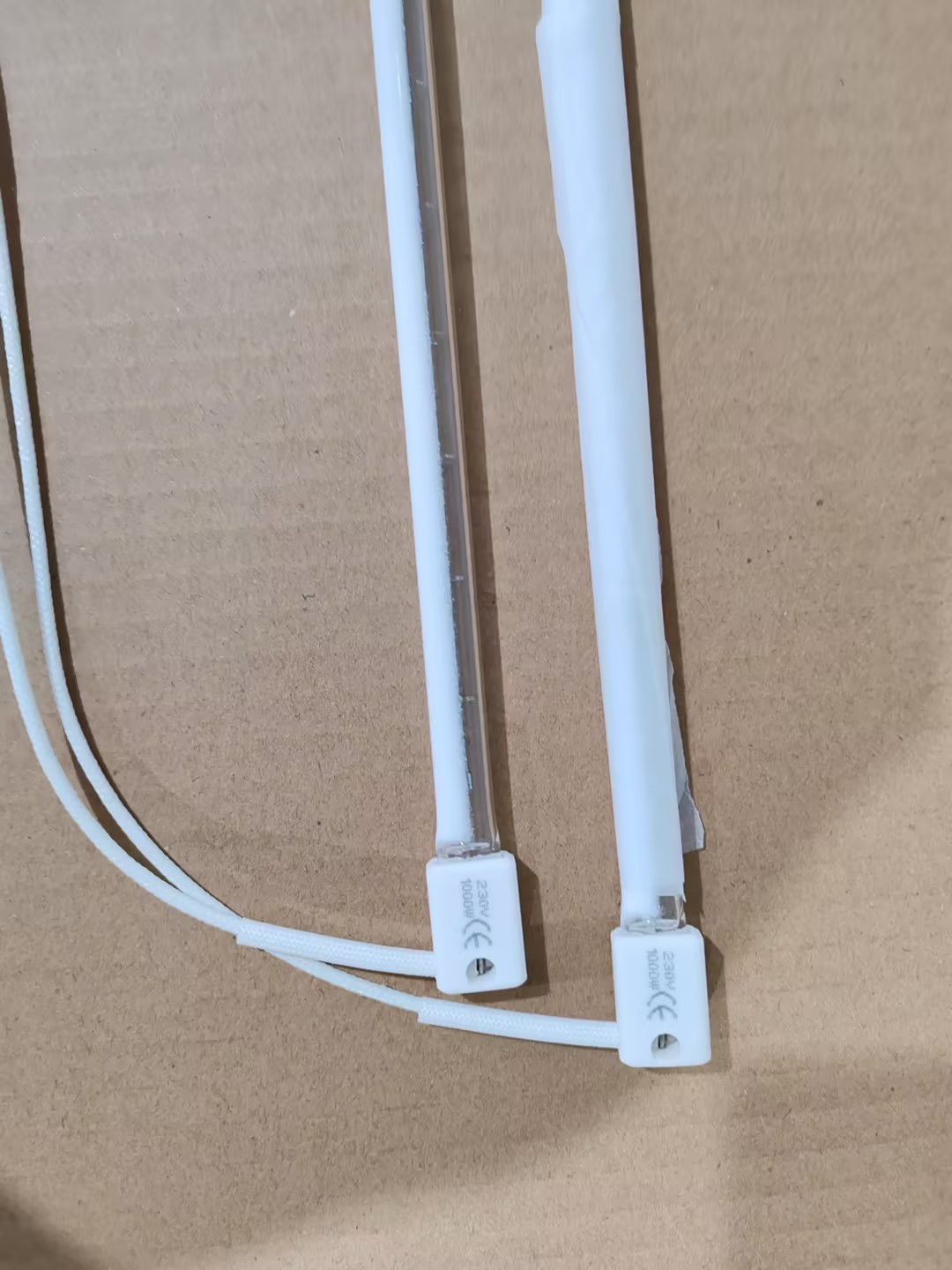
What’s really going on under the hood: power, voltage, and size
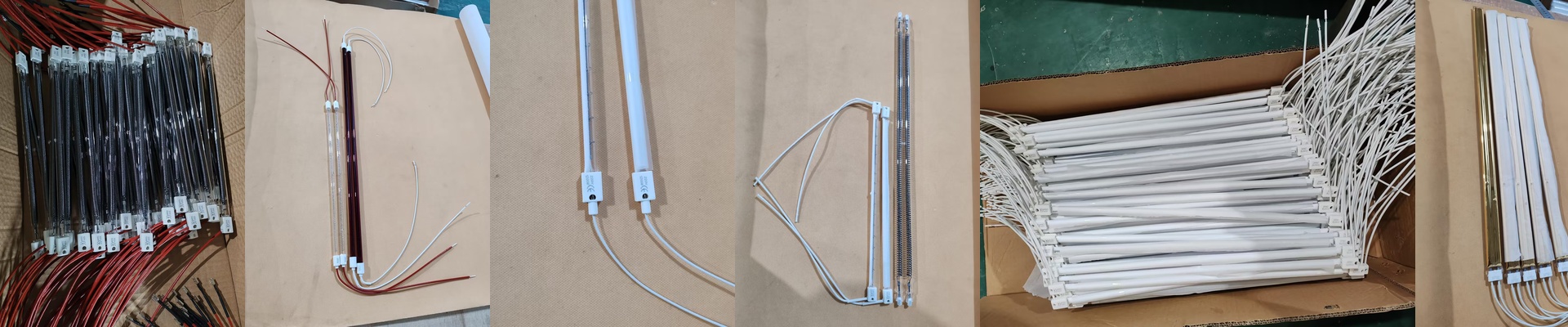
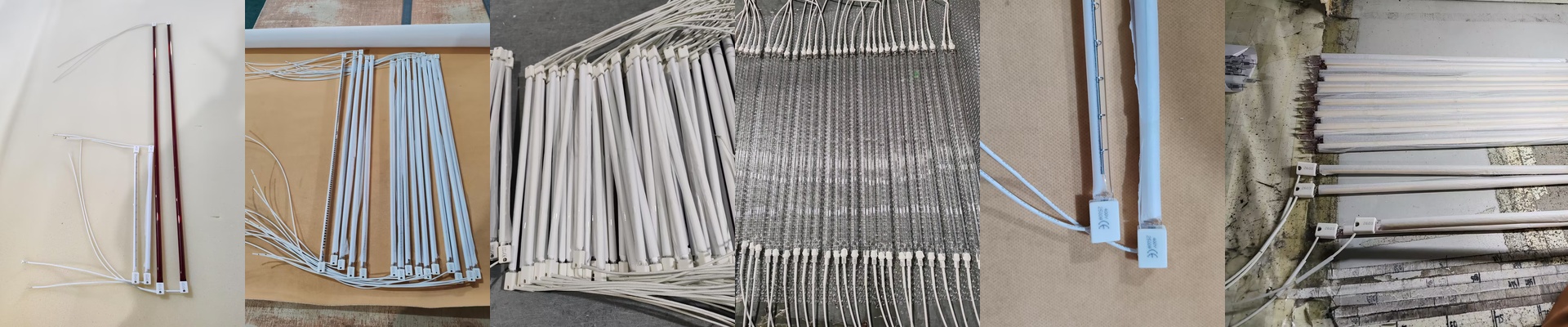
We built these halogen infrared bulbs for one simple reason: to cram a ton of heat into a seriously compact package. That 400V, 2500W rating? It’s not random. It’s how we give you intense heat in a 300mm quartz tube—so you can heat targets fast without your machine feeling crowded. On the shop floor, the voltage choice actually matters. Running at 400V means less current draw than a low-voltage option. That keeps wiring losses down and stops your control gear from getting uncomfortably hot. And the 300mm length? It’s the sweet spot. Short enough to fit into tight reflector setups, but long enough to give you a heating zone that feels even and predictable.
The materials and design choices that make it work
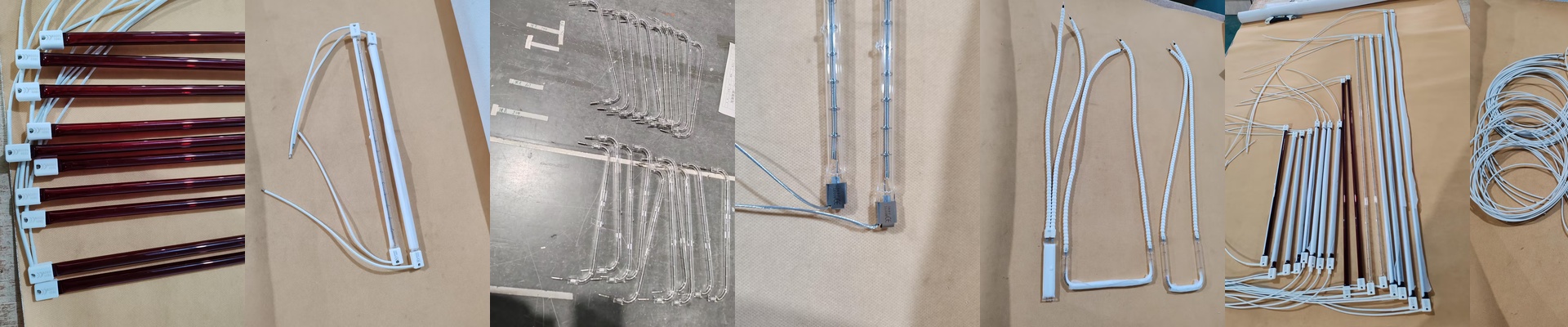
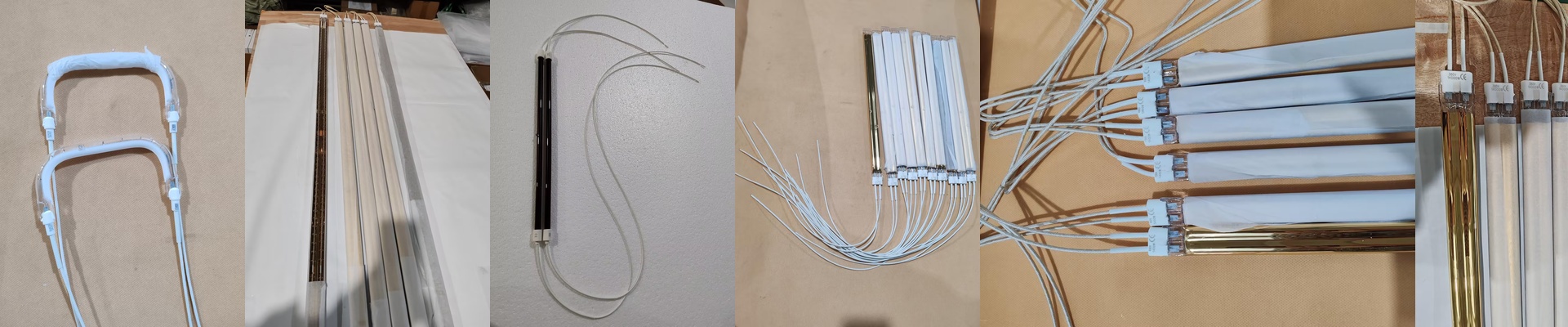
We use a quartz tube because it can handle the shock of rapid on/off cycling—and stays clear enough for the infrared to do its job. The halogen fill is the secret to a long life. It keeps regenerating the filament, sending tungsten back to the hot spot. That fights blackening and keeps the output steady over time. The gold coating isn’t just for looks. It reflects infrared back toward the target, so you get more usable intensity and less wasted heat. Then there’s the R7s double-ended connector. It holds the wattage, keeps the bulb aligned, and makes the whole thing a clean, drop-in replacement. No wrestling. No guesswork.
Where this shines—and what to keep in mind
In jobs like PET blowing and plastic thermoforming, you need heat that responds immediately. These bulbs deliver focused infrared, so you get quick response and control that feels tight. You’re going to get serious output, and that means planning ahead. The 2500W density heats fast, so your machine’s cooling and thermal management need to be sized to keep everything around it in a comfortable range. When you run them within their rated limits, you get heat you can count on—without the burn-outs that slow your production down.