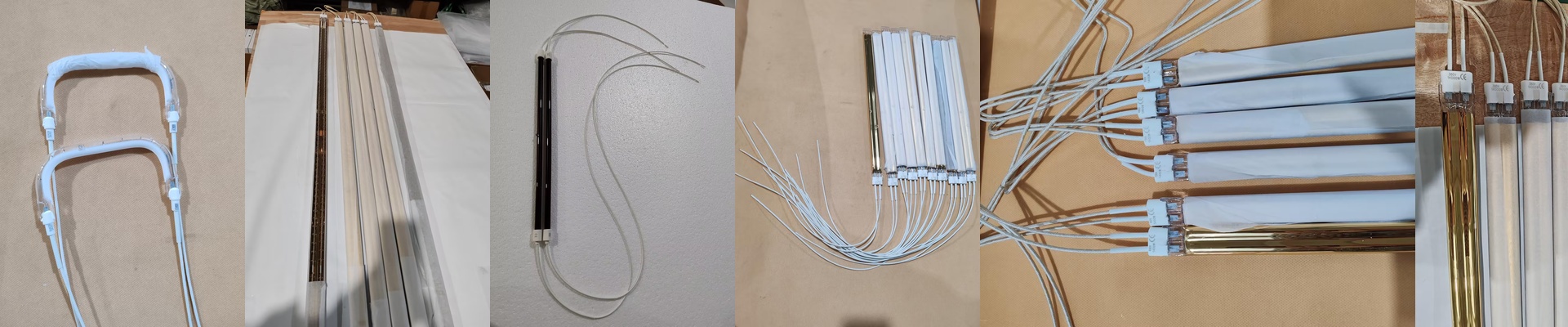
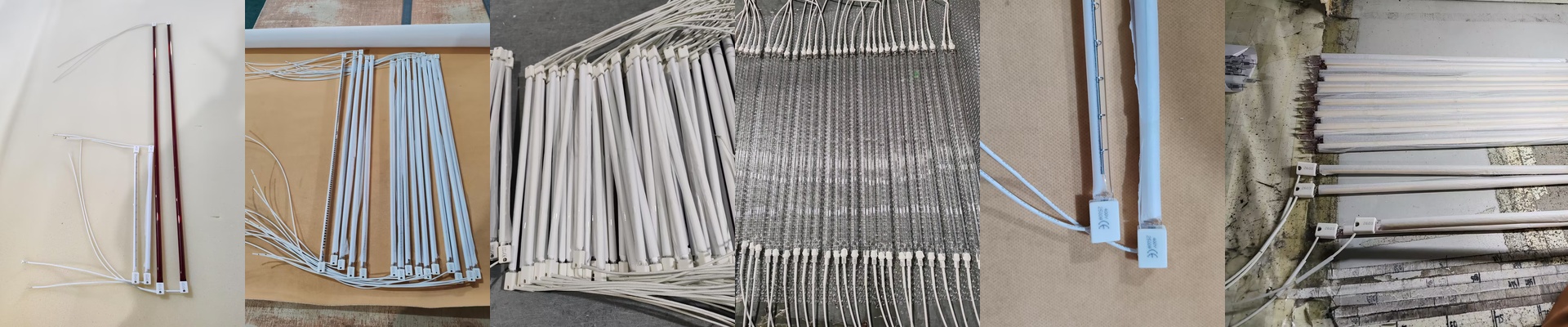
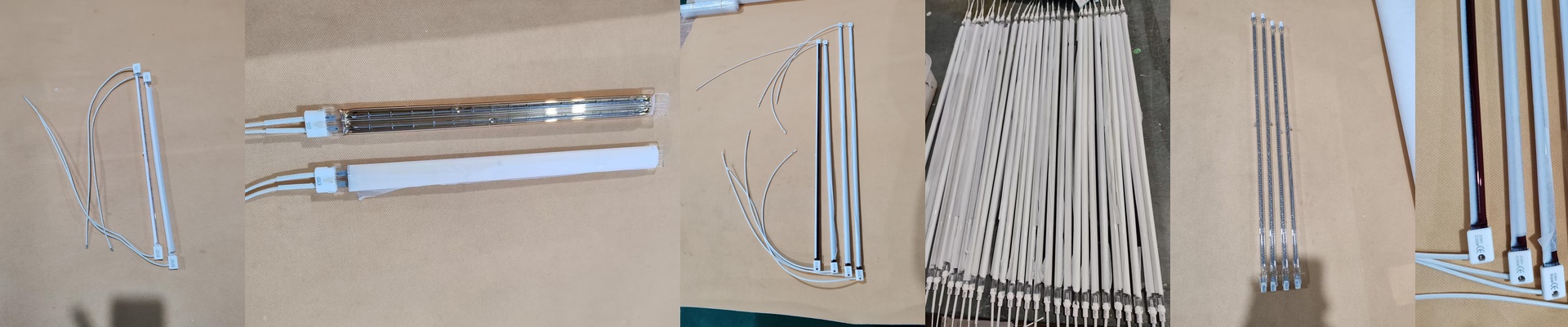
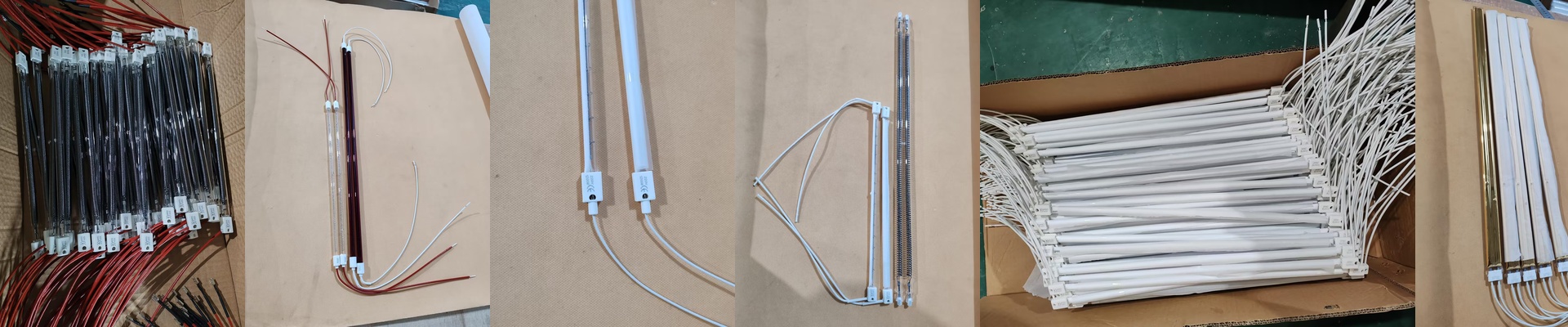
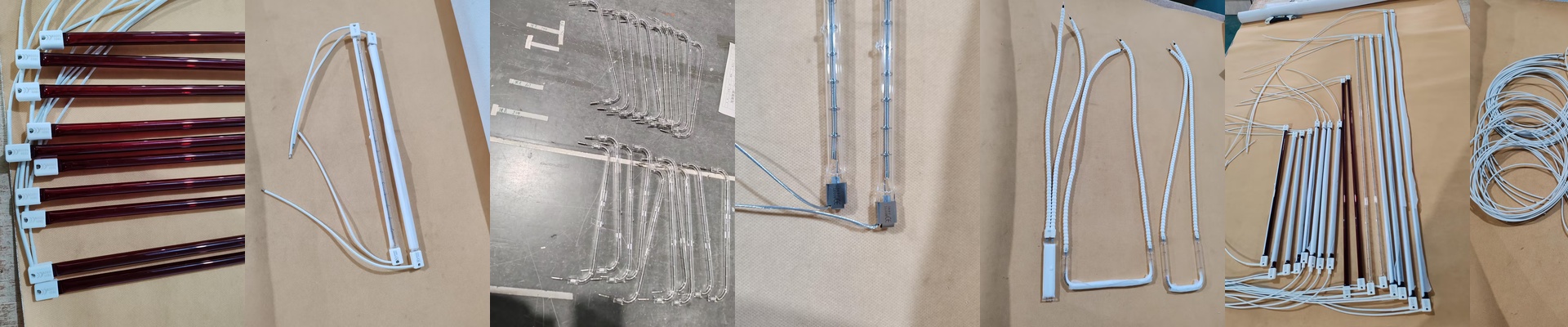
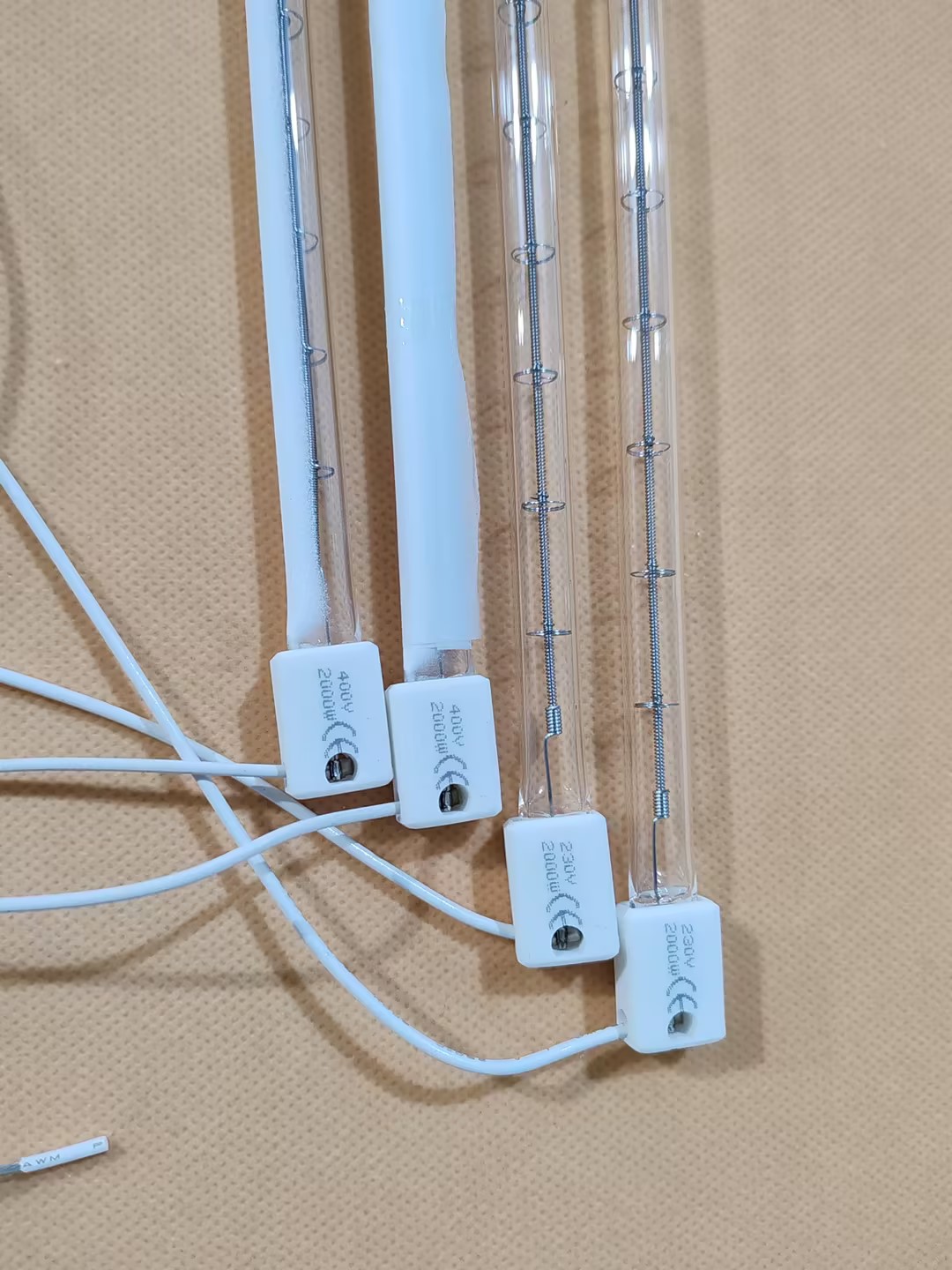
The 650mm 220V 1000W Infrared Quartz Lamp: Built for the Job
Let’s talk about a heat source that actually pulls its weight. We built the 650mm 220V 1000W infrared quartz lamp for engineers who need serious heat, right where they need it, without taking up a ton of space. This thing is a shortwave infrared emitter, designed for those industrial processes where speed and focused energy aren’t just nice-to-haves—they’re essential. With 1000W of power on 220V, you get serious output without needing to rewire your entire plant.
Power, Size, and Why It Matters
That 650mm length and 1000W rating? They weren’t chosen at random. Every inch is calculated to deliver the right heat density across your target area. And running on 220V means it plugs right into the standard industrial setups you already have. It’s all about that power-to-length ratio. What that really means for you? It heats up fast. We’re talking direct-resistance heating—it gets hot, and it gets hot quickly. But with that kind of intensity, you need to respect it. Make sure your enclosure has proper ventilation or cooling to handle the extra warmth.
The Tech Inside: Halogen and Quartz
At the heart of it is a halogen-filled quartz envelope. The halogen cycle does a neat trick—it keeps the filament clean, which means the lamp lasts longer and keeps putting out consistent heat, hour after hour, for thousands of hours. Quartz handles the extreme temperatures and gives you a clean window for infrared transmission. The output peaks in the near-infrared spectrum, which many materials absorb really well. And the connector? It uses an R7s base, that standard bi-pin setup. It’s a secure, quick-fit connection. So when it’s time for maintenance, you can swap it in and get back to work without a bunch of downtime.
Where It Shines
Out in the real world, this lamp is a workhorse for jobs like plastic thermoforming, drying components, and curing. The focused beam lets you aim the heat exactly where you want it, so you’re not wasting energy heating the whole room. And the start-up time? Almost instant. No waiting around for the system to get up to temperature. It’s rugged. It’s industrial-grade. It takes a beating and keeps going. Just remember—it packs a serious thermal punch. Treat it with respect, and make sure your machine design can handle that concentrated heat.