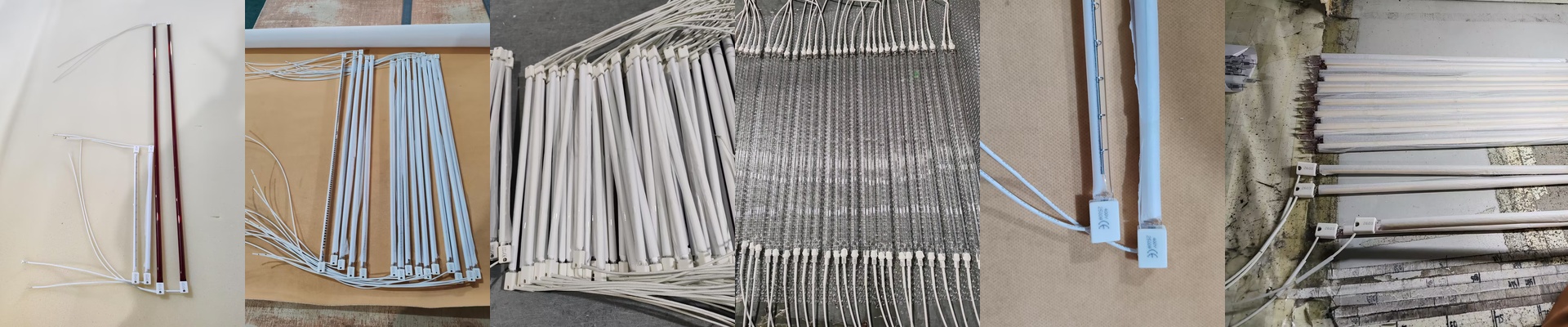

The Wholesale IR Halogen Heater Tube, Explained Like You’re Actually Going to Use It
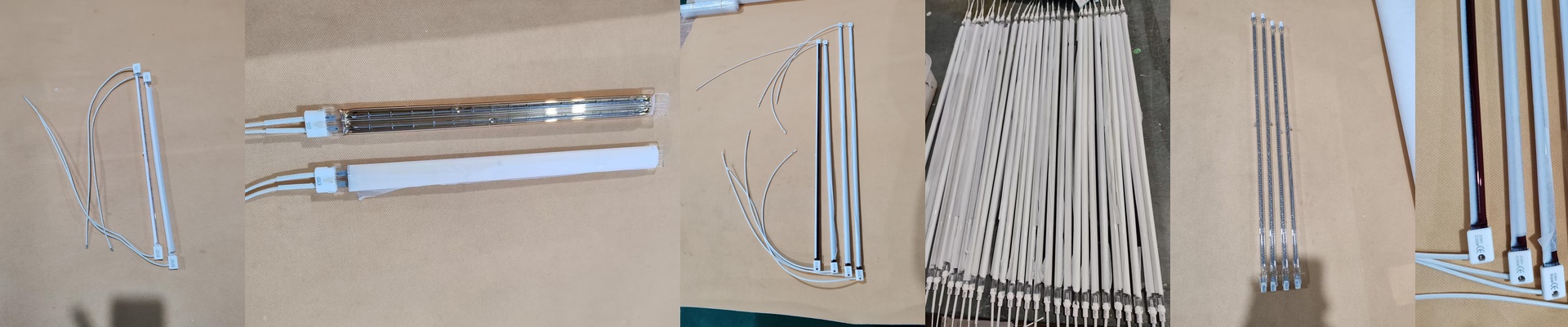
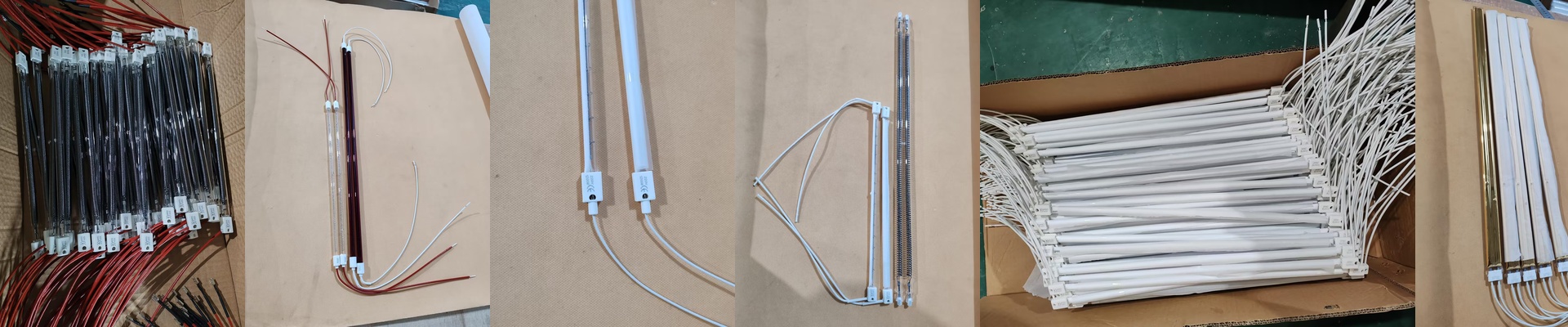
We built these infrared halogen heater tubes for one simple reason: to get serious heat where you need it, right now. These aren’t the same as a basic heat lamp. They’re direct, no-nonsense radiant heat—made for industrial machines that need power on demand, with control that feels immediate. The magic is in shortwave IR. It puts the heat straight into the target, instead of warming up the whole room. If your process lives and dies by response time and concentrated energy, that matters.
Power, Voltage, and Size: What It Means on the Floor
The specs aren’t just numbers on a sheet—they’re what decide how the tube behaves in your machine. A typical unit might run at 400V and 2500W. That high-voltage setup is how you pack serious power into a small footprint. But it also means you’ve got to wire things to match. Your ballast or control system needs to be ready for the load, or you’ll be chasing trouble. Length is a practical compromise, too. Around 300mm is common because it gives you enough radiant surface to deliver the wattage, without pushing the quartz envelope past what it can handle. More wattage means more heat density. A 2500W output across that length gives you a high watt-per-inch ratio, so temperatures climb fast. But fast heat comes with a catch: you need cooling that can keep up. The machine’s cooling system has to be sized to handle the ambient heat coming off the tube and everything around it.
What It’s Made Of—and Why It Stays Tough
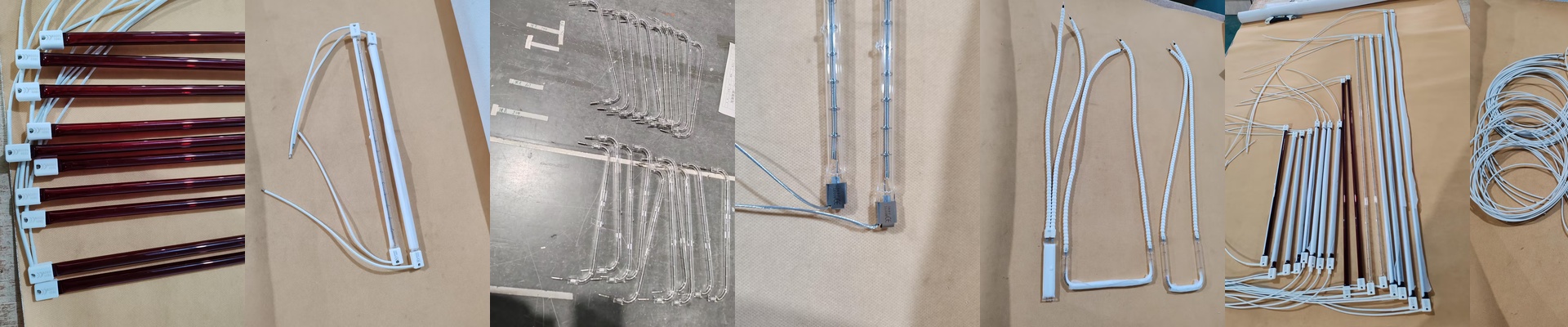
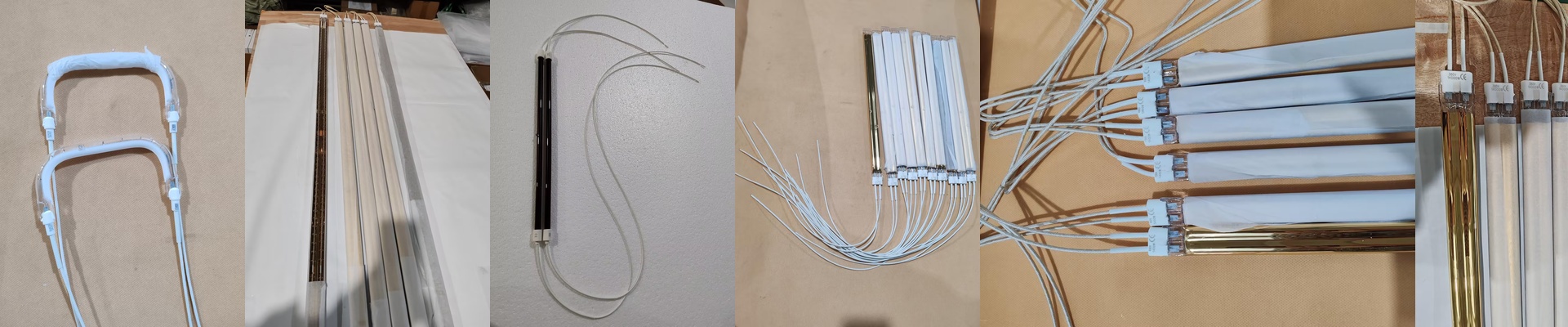
The tube body is quartz, and that’s not by accident. Quartz handles extreme temperatures and lets IR energy through cleanly. Inside, the halogen cycle keeps the filament clean even at scorching operating temps. That’s how you get longer life than you’d expect from a standard incandescent element. We also add a specialized reflective coating on the outside. It focuses the radiation downward or where you need it, so you waste less energy and keep nearby machine parts from baking unnecessarily.
Installation: The Details That Save You Downtime
The connector choice isn’t an afterthought—it’s what makes the job easy or a headache. The R7s base is the standard for linear tube heaters. It gives you a secure, double-ended connection that can handle high current without getting hot and sloppy. On compatible equipment, it’s basically a drop-in replacement. If you’re dealing with serious industrial mounting, the Sk15 connector is the upgrade. It locks in tight, so the tube doesn’t shift when the machine is vibrating. That kind of small detail keeps you running instead of troubleshooting.
Where It Shines: Real Industrial Work
These tubes are made for the daily grind of production lines. In PET blowing, you need intense, localized heat to soften the preform quickly and consistently. Shortwave IR penetrates the plastic efficiently, which helps you keep cycle times tight. In shrink tunnels and thermoforming machines, the focused heat gives you precise temperature control across the product. The reflective coating and the R7s or Sk15 connection make alignment simple, so maintenance doesn’t turn into an all-day event. The big draw is the power density. It’s serious. But it only works well if your machine is built to manage the thermal load. If your system is spec’d for it, you get a reliable, high-output heating solution that keeps the line moving.