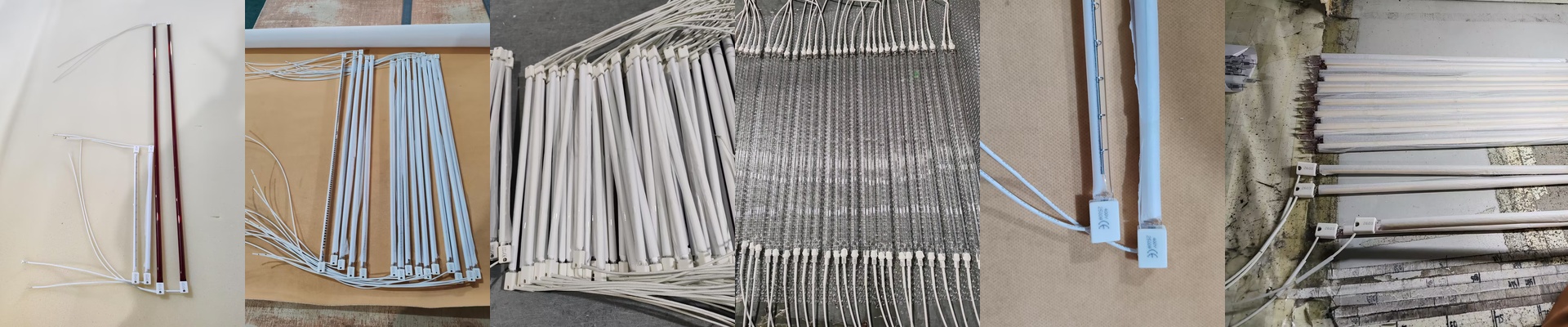
Let’s talk power.
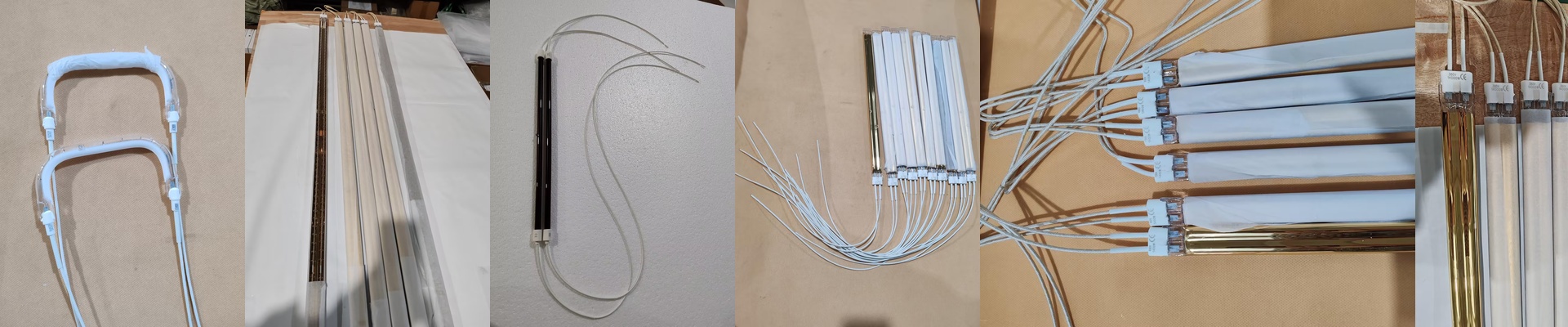
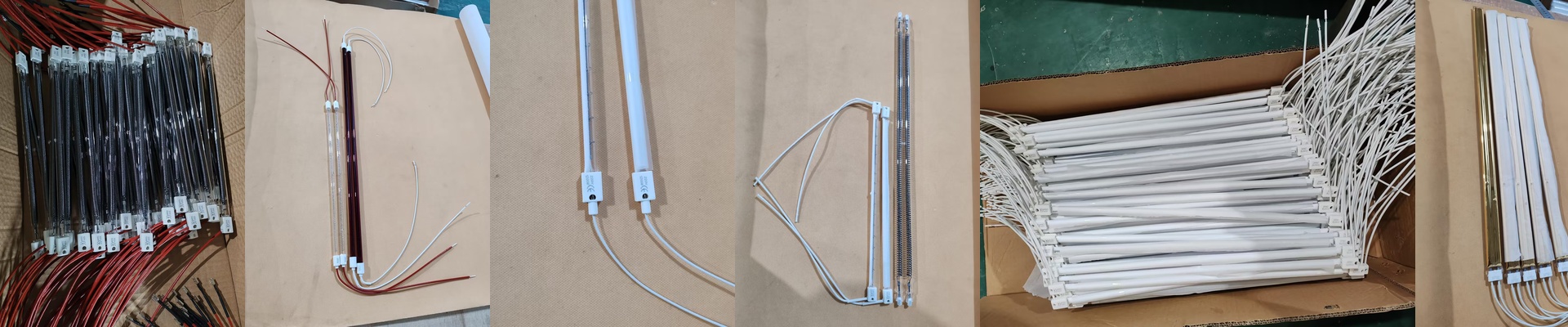
When you need serious heat in a tight spot, this 220V 2000W clear halogen lamp is the one you reach for. It’s built for industrial jobs where you need a lot of heat, fast, without taking up a ton of space. Here’s the nice part about running at 220V: the current stays manageable. That means you can get away with thinner wires and you won’t have to fight voltage drop as much. And at 2000W, this thing throws intense infrared heat—so processes like softening plastic or curing adhesive don’t just warm up, they get moving. But with that power comes responsibility. You’re talking about a lot of heat in a small footprint, so the fixture and reflector have to be up to the task.
What’s inside matters.
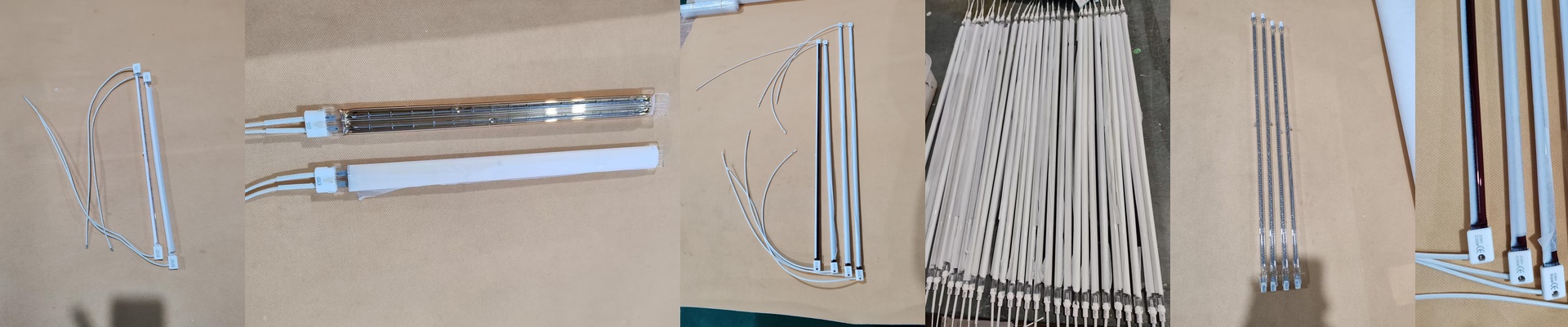
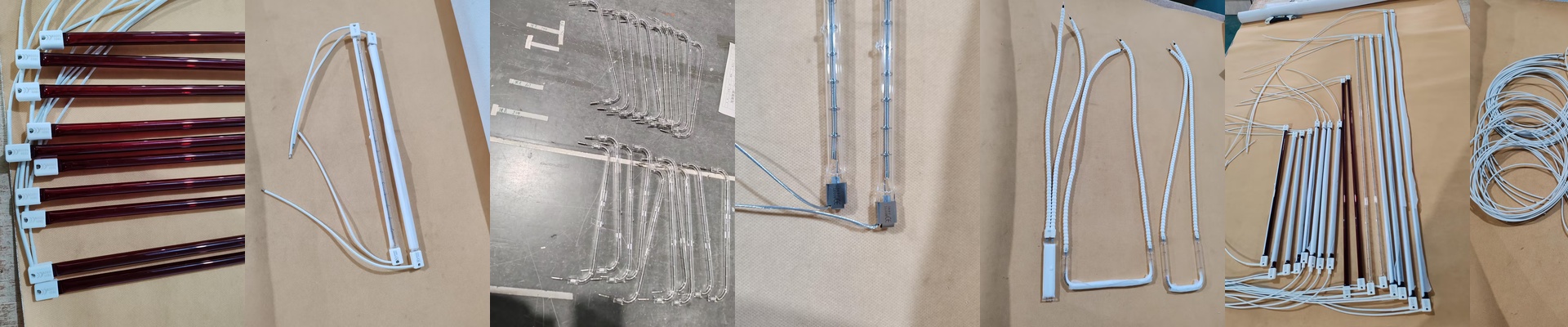
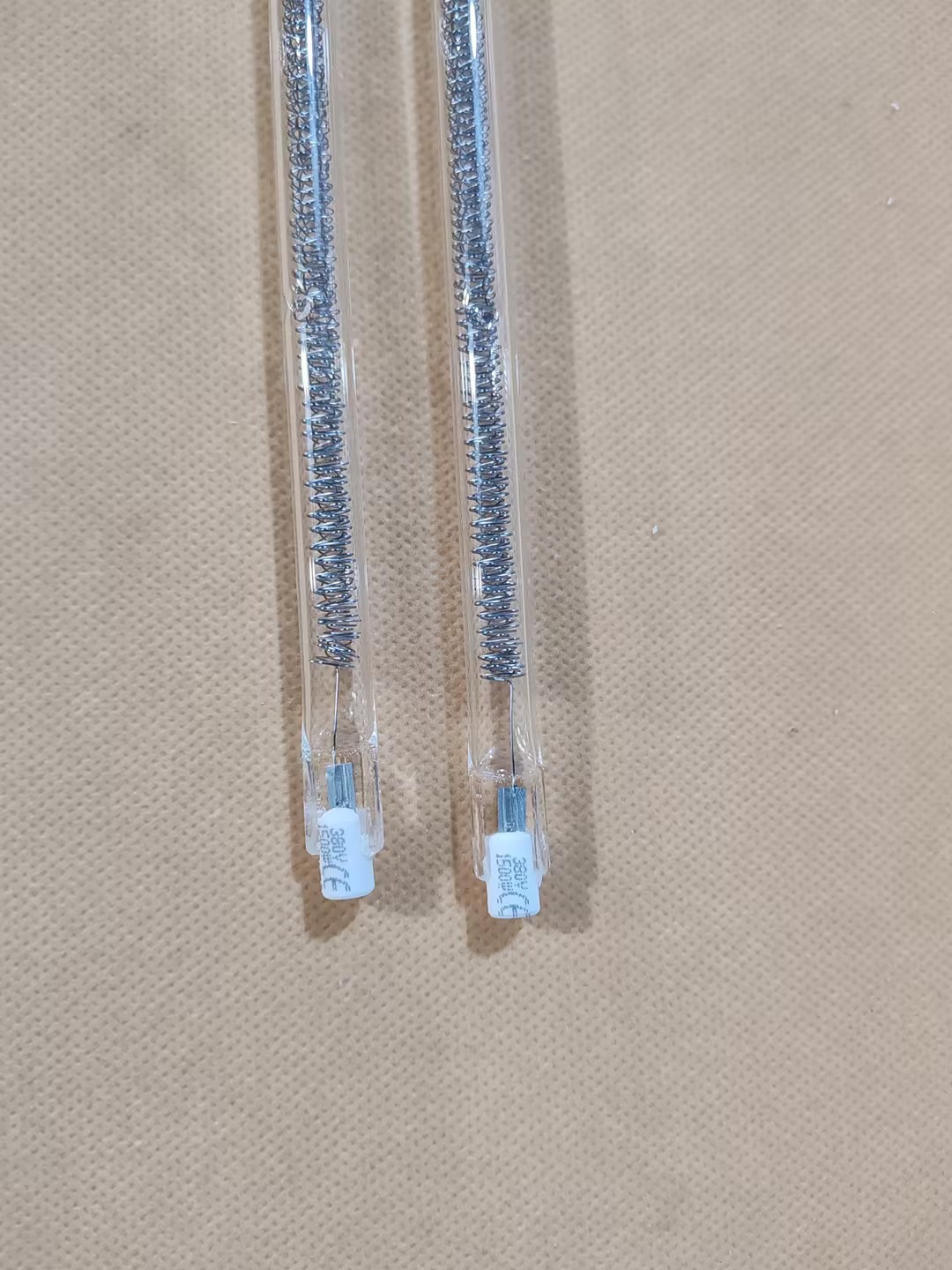
The clear halogen element runs hotter than your standard tubular heater, and that’s actually a good thing. The halogen cycle keeps the quartz envelope clean, which helps the lamp last longer. The clear finish also lets the infrared blast through cleanly, and it gives you one big advantage: you can look right at the filament and see if it’s on. No extra sensors needed—just a quick glance. It uses an R7s base, the double-ended linear style that locks in solid and stays reliable even when your equipment is shaking and vibrating. Swapping one out? It’s a straightforward drop-in replacement in most industrial setups.
Where it shines—and what to watch for.
This lamp is right at home heating PET preforms, running thermoforming zones, and heating up small ovens—anywhere you need fast response and a compact footprint. The focused heat cuts cycle time in a way you can feel. But it also means you need to plan your space. Give it proper clearance, make sure airflow is there, and keep an eye on what’s nearby. If you run it at full power all the time, the surrounding components will feel it. Set the mounting distance and cooling up right, and everything stays happy.
The quick-look details
- Voltage: 220V
- Power: 2000W
- Type: Clear halogen
- Base: R7s
- How it works: Infrared radiant heat, kept steady by the halogen regeneration cycle
- Keep in mind: It needs good heat sinking and enough clearance to protect nearby parts.