Introduction
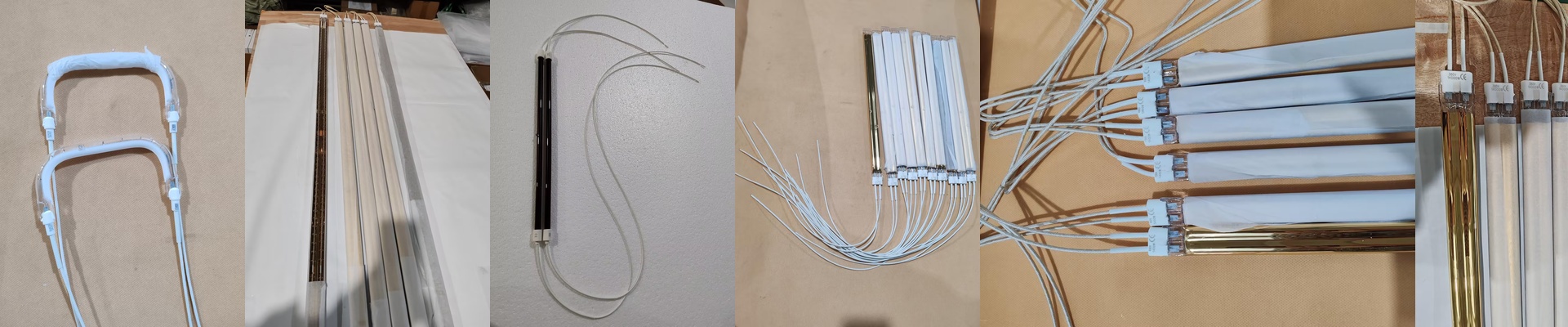
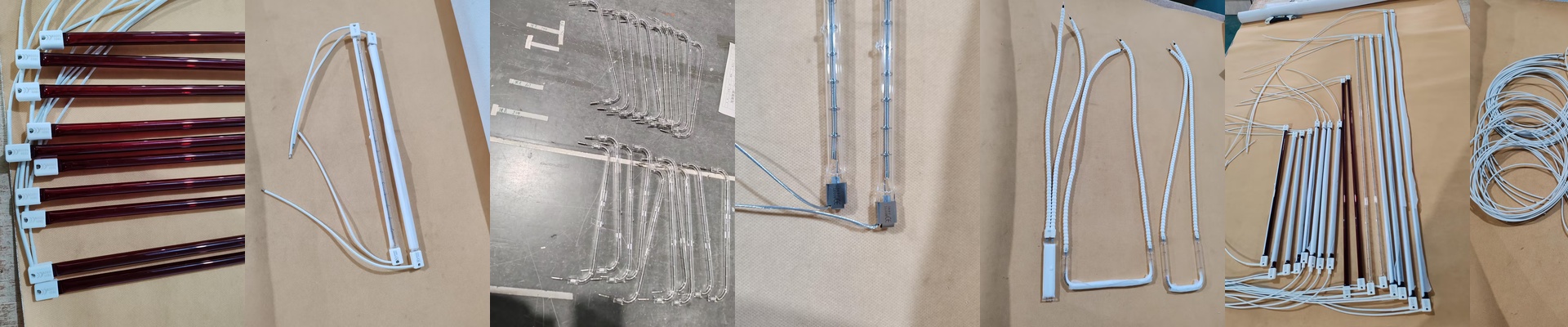
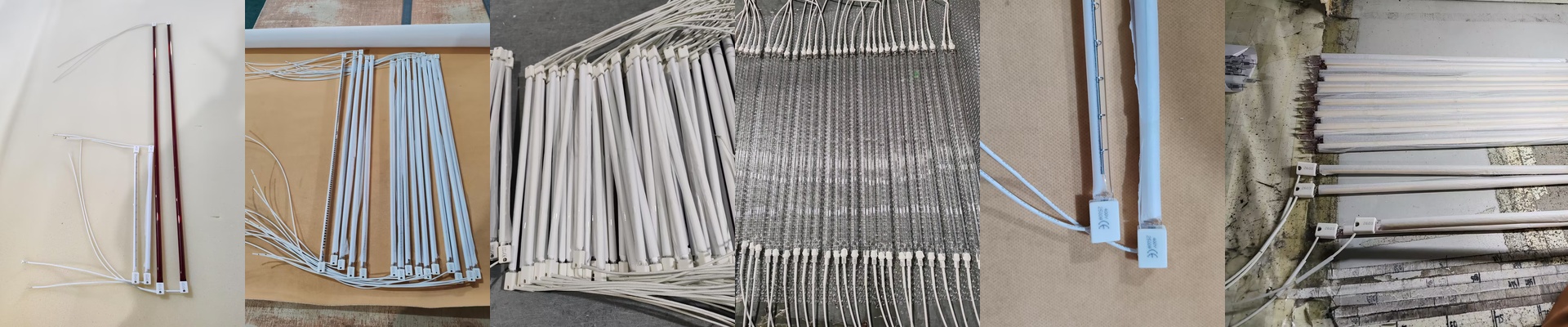
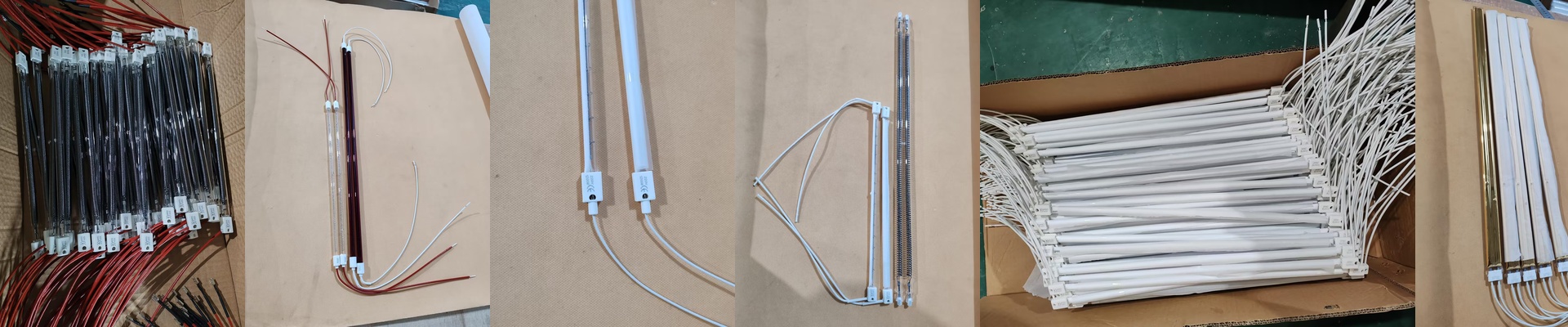
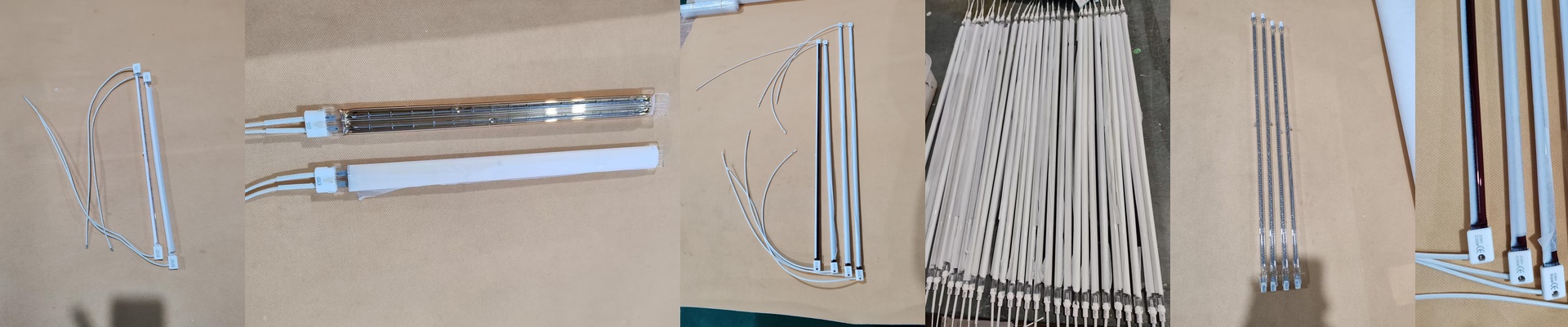
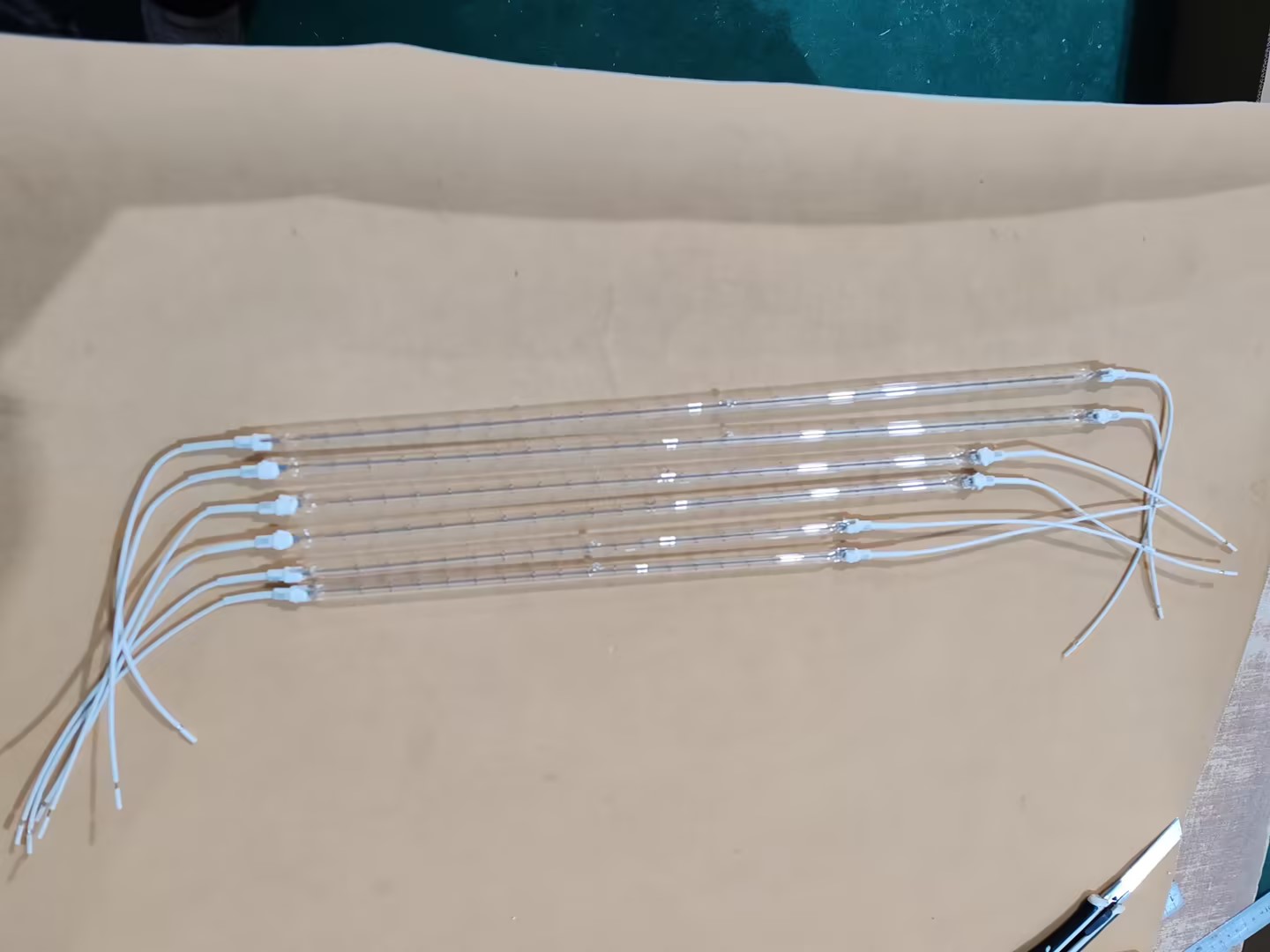
We built this 400mm, 800W halogen infrared lamp for engineers who need serious heat in a tight space. It’s direct-radiant, designed for industrial work where you want the heat to show up fast, behave predictably, and take up as little room as possible.
Power, Voltage, and Size: The Practical Trade-Offs
It’s rated at 800W because we wanted high heat density without forcing you to run huge wiring. Run it at 400V and the current stays lower than many low-voltage lamps, which helps reduce voltage drop over longer runs and keeps terminal temps from climbing. The 400mm length? That gives you a clean, focused heating zone without wasting real estate on the machine. Here’s the trade-off: you get intense, localized heat. That’s the point. But it also means your reflector and mounting setup need to be built to handle that concentrated thermal load—so nearby parts don’t get cooked.
What It’s Made Of: Halogen, Quartz, and a No-Fuss Base
Halogen chemistry keeps the filament stable even when things get scorching, so the infrared output stays consistent over the life of the lamp. The envelope is quartz, because it can take thermal shock and hold up at extreme temps. A selective coating on the quartz helps steer the output toward the infrared band—exactly where industrial materials soak up heat efficiently. And we spec’d it with an R7s base. It’s a straightforward, proven interface that makes the lamp a drop-in replacement in many standard fixtures. The connection stays solid even with vibration, and maintenance is simple: swap the tube, re-lamp, and get back to work.
Where It Shines: Engineer-Focused Performance
Use this when you need rapid, focused heating in a small footprint—plastic welding, component drying, adhesive curing, preheating, that kind of work. The shortwave infrared profile dumps energy in fast, so you can shorten cycles without turning the whole area into a sauna. With 400V operation, 800W output, and 400mm length, you get heat distribution you can plan around and results you can repeat. Just plan for ventilation and give the reflector some room. The heat is intense—and the system needs space to breathe.