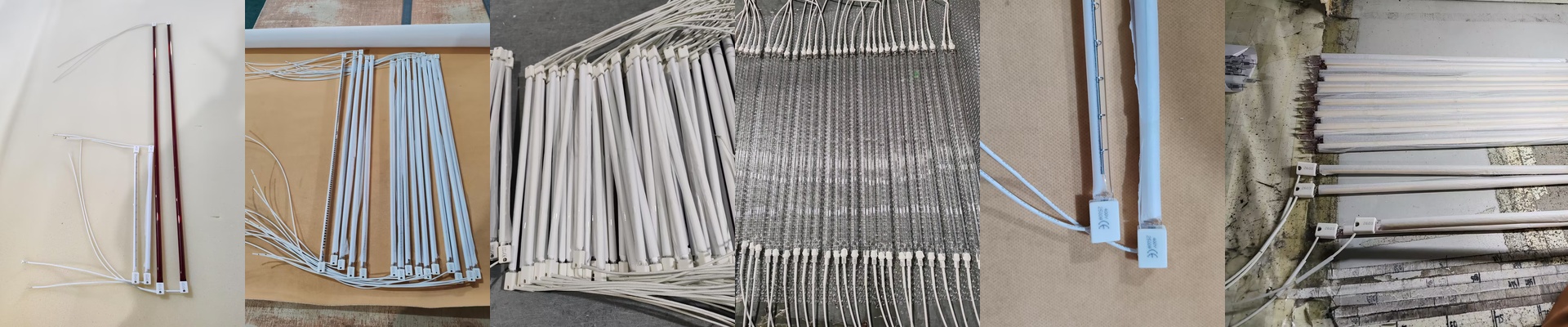
Halogen Quartz Tube Heaters: Serious Heat, Small Package
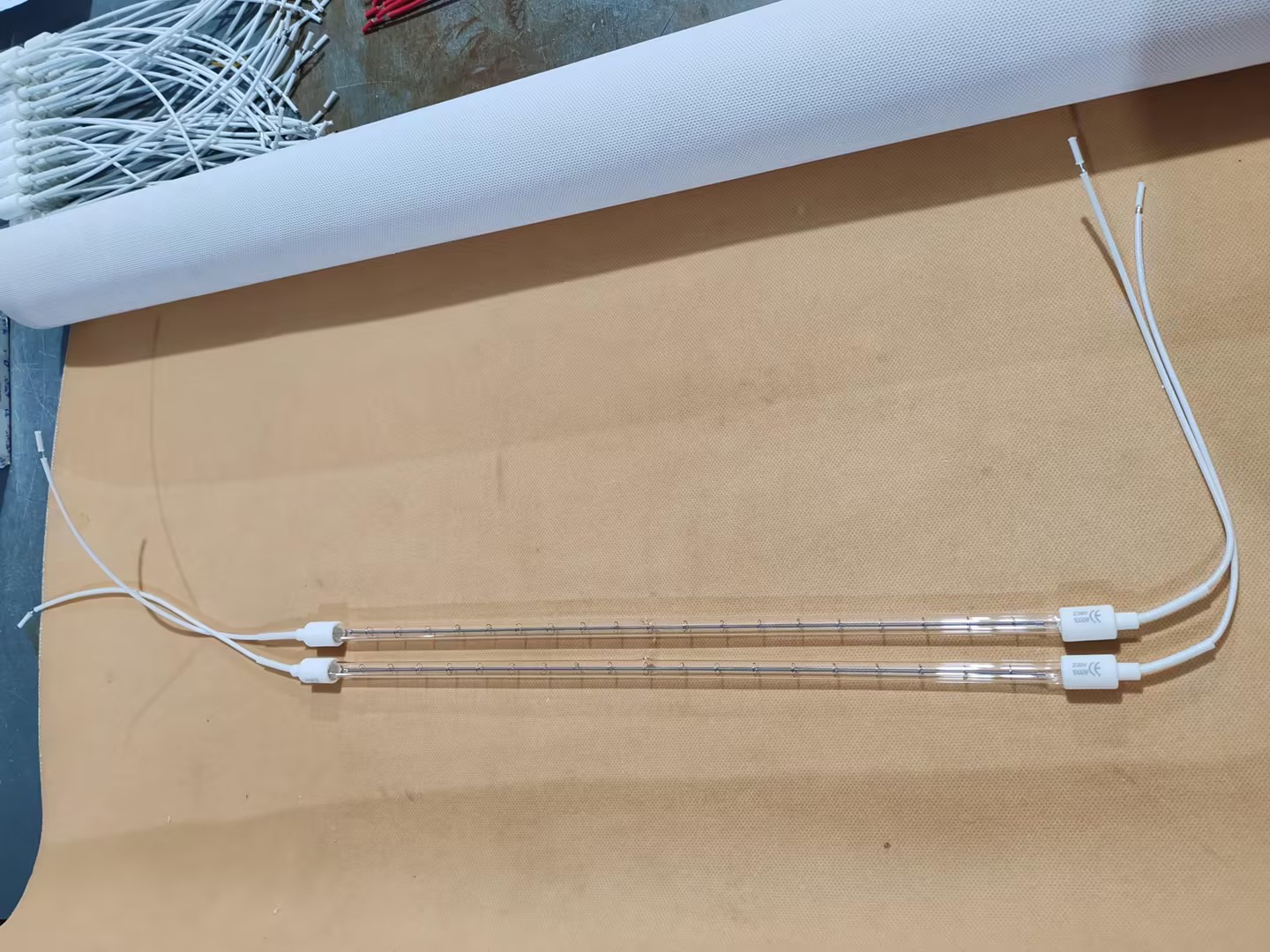
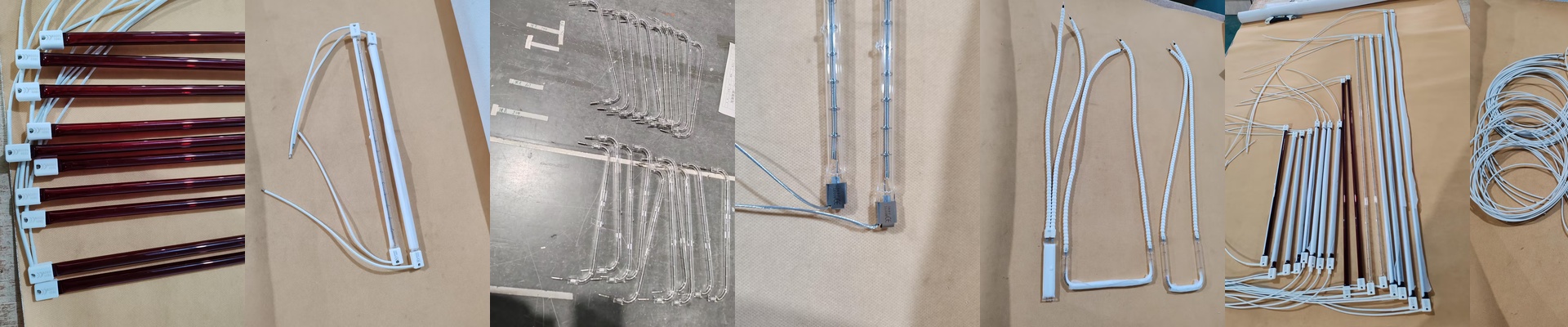
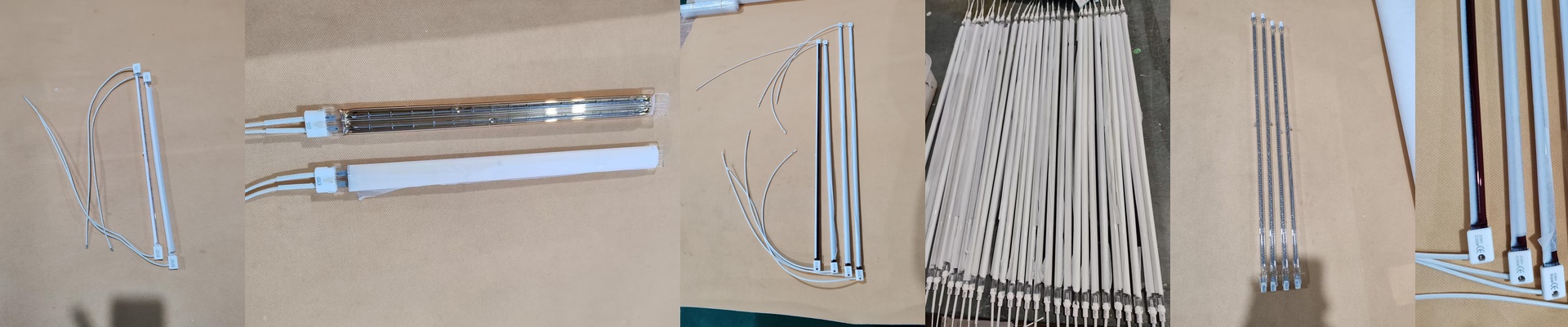
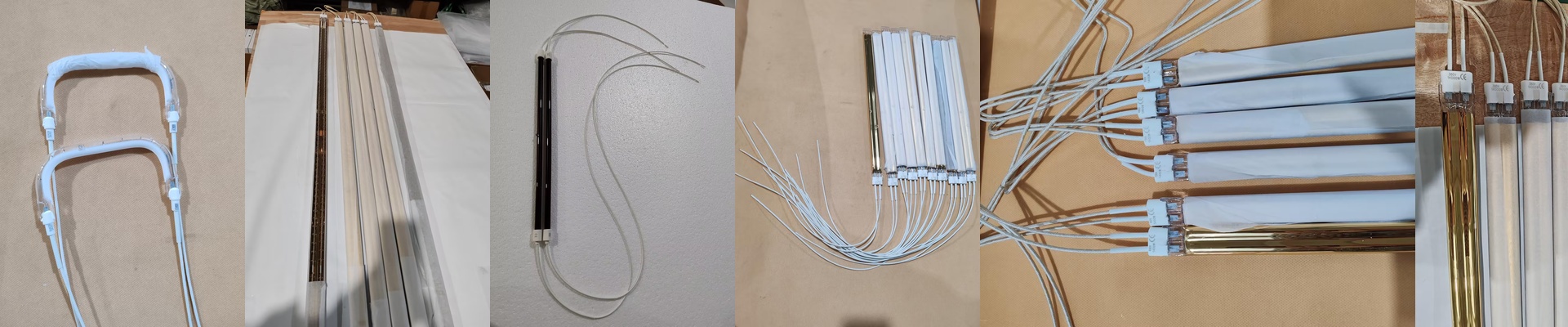
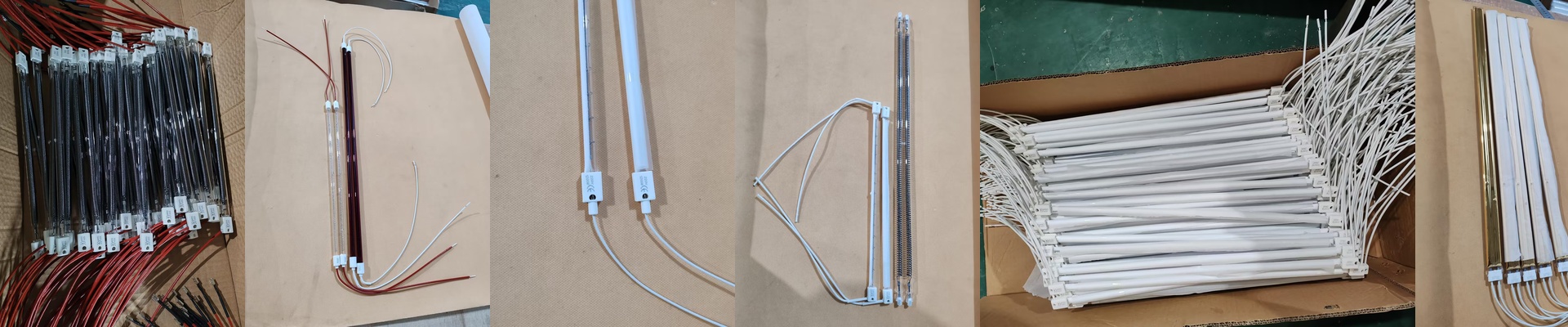
We built these halogen quartz tube heaters for one reason: to cram a ton of heat into a tiny footprint. These aren’t your everyday, do-it-all heaters. They’re high-density radiant workhorses, made for machines that need fast heat transfer—without turning the whole work cell into a sauna.
Power, Voltage, Size: The Real-World Numbers
These are shortwave infrared heaters, so the wattage and voltage directly translate to heat density and how quickly they respond. A typical unit runs at 400V and 2500W, packing serious punch in a small form. The length—usually around 300mm—keeps the heat focused where you need it, perfect for narrow process lanes or tight pre-heat zones. Because the power is concentrated, the electrical design has to be smart. Running at 400V drops the current compared to lower-voltage options, which keeps wiring manageable and eases the load on contactors. Just keep in mind—this is high voltage. That means your control panel and insulation need to be spec’d to match.
Why Quartz, Halogen, and R7s? It All Adds Up
The quartz tube isn’t just a shell. It’s the boundary that handles rapid temperature swings and stays clear so shortwave IR gets through. That lets the filament radiate efficiently, doing its job without fuss. Then there’s the halogen gas. It lets the filament run hotter without burning out quickly, so you get steady performance over long stretches of service. And the connectors? R7s and Sk15 aren’t random choices. They’re built to carry the current, keep solid contact, and let you swap a heater fast—no tools, no rewiring the whole machine. You just pop it in and get back to work.
Where They Shine: Fast Heat, Clean Control
These heaters really come alive where you need speed, precise zone control, and reliability in tough conditions—like dirty floors or constant vibration. In PET blowing and packaging lines, the focused IR heat warms preforms quickly, keeping cycle times steady. You get heat where you need it, without wasting energy heating the air around it. The trade-off is real, though. The surface runs hot, and the density is high, so the surrounding machine has to be built to handle that safely. Match the voltage right, choose the length that fits your zone, and you get repeatable performance with less downtime.