Getting Your Plastic Ovens to Actually Perform
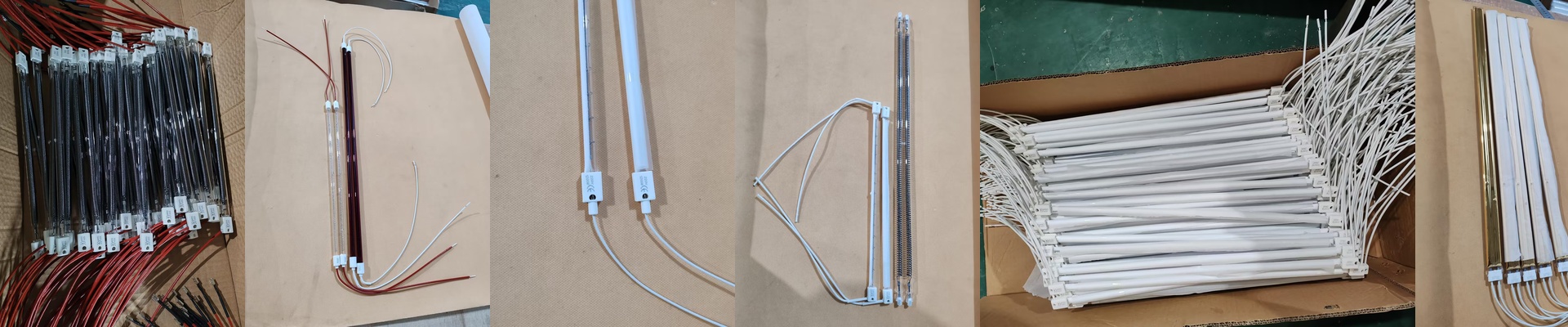
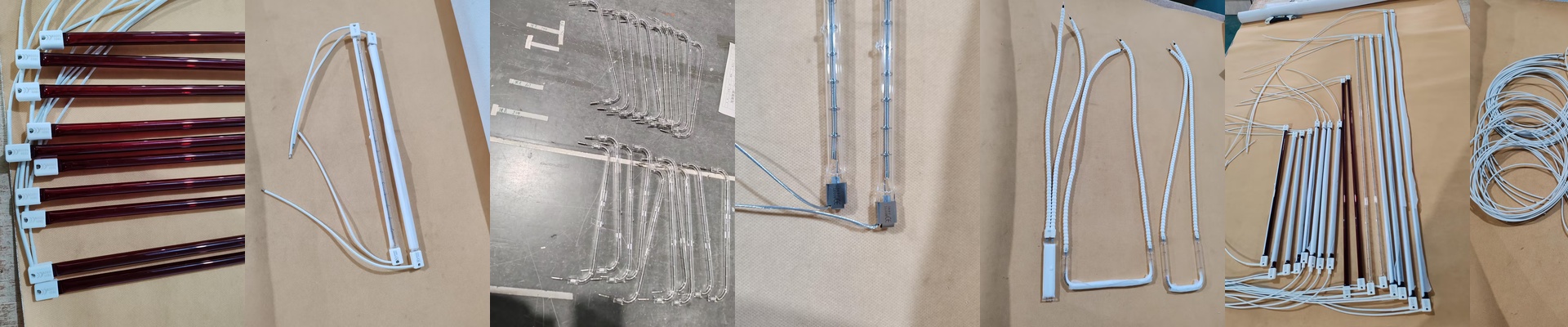
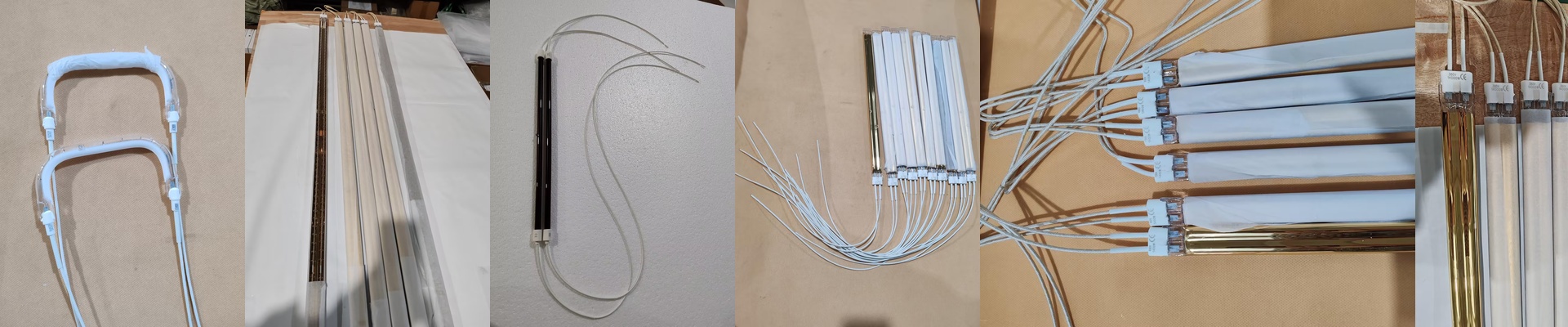
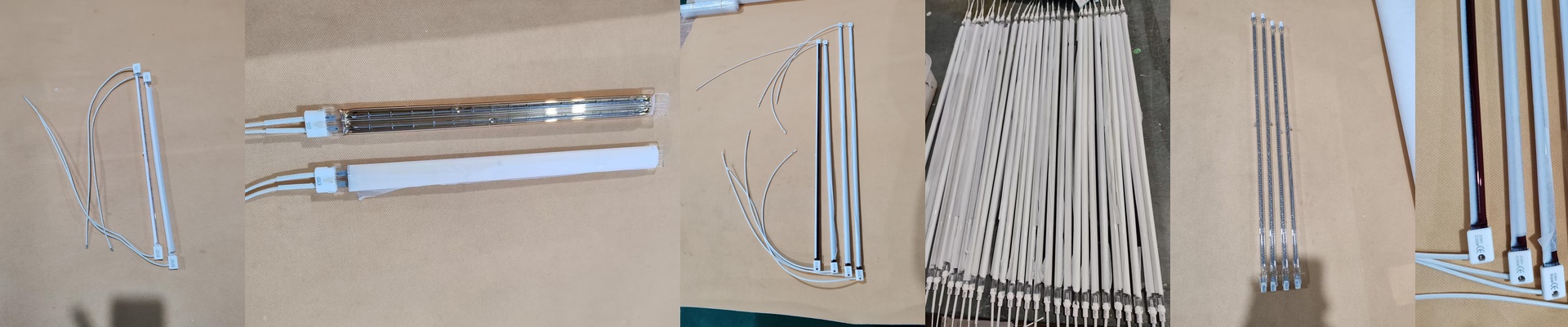
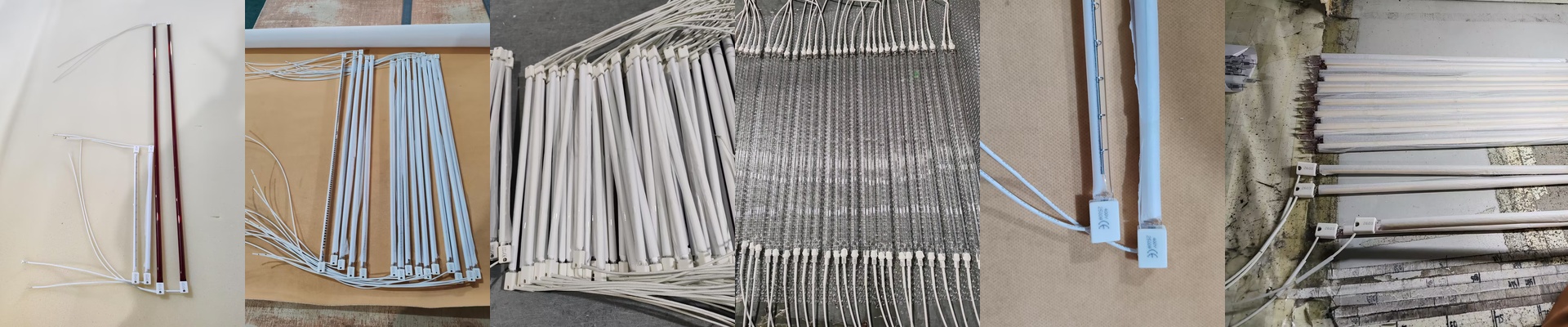
If you’re running PET bottle blowing, you know the struggle. You need that infrared heat to be exactly right—soft enough to shape the preform, but not so hot that you’re scorching the plastic. It’s a fine line. We make heating lamp spares that do the heavy lifting without the “big brand” price tag. We don’t care about the fancy logos; we care about the physics of how heat actually moves. Let’s talk power. Depending on your setup, you’re probably looking at 230V or 400V. We spec our tubes to handle those loads easily. Take a 2500W tube, for example. That’s the kind of heat density you need if you want your cycle times to stay fast. Here’s the thing: if you skimp on the wattage, your preforms won’t hit that glass transition temperature quickly enough. That’s how you end up with wonky wall thickness and a lot of wasted material. The build quality. We use high-purity quartz glass because it doesn’t crack when the temperature swings wildly. Plus, we fill them with halogen gas. It keeps the filament from burning out too soon, so you aren’t swapping lamps every five minutes. As for the fit? We use R7s and Sk15 connectors. They’re simple drop-in replacements. You just slide them into your existing sockets and you’re back in business. No rewiring, no headaches. Real-world talk. These lamps use short-wave IR, which is great because it actually penetrates deep into the plastic. We even offer coated versions that bounce the heat back toward the preform so you aren’t just heating up the room. But a word of caution: when you push high wattage through a small tube, your reflection chambers get hot. Really hot. Make sure your ventilation is actually doing its job. If the air around your sockets gets too toasted, you risk melting your wiring insulation. And that’s a mess nobody wants to clean up. At the end of the day, you’re getting the same metal and glass quality as the market leaders. We just cut out the middleman and the distribution markups to keep your costs down.