Can a Simple Heater Swap Actually Cut Your Power Bill by 20%?
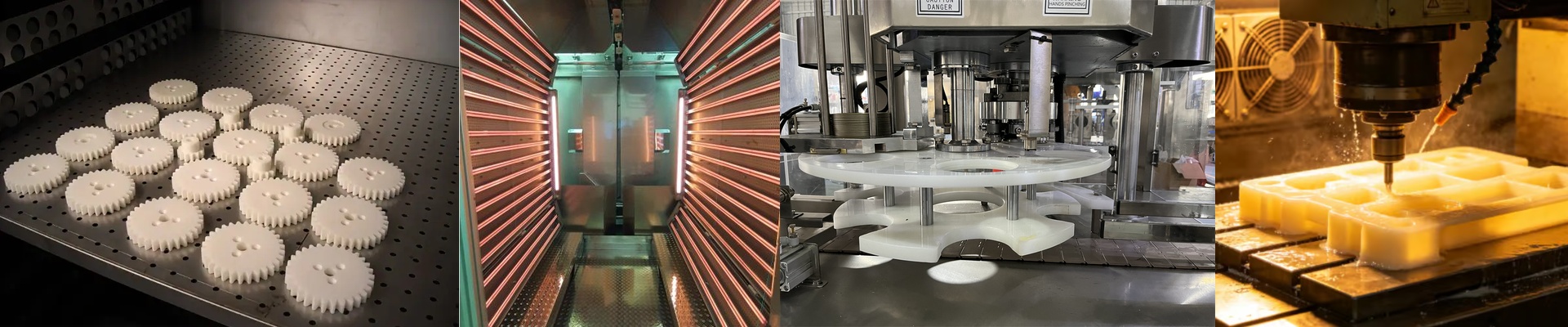
Let’s be honest: most old plastic processing lines are energy hogs. They’ve been running for years with heating elements that basically bleed electricity into the room. You’ve probably wondered if you can actually save a decent chunk of change—maybe 20%—just by swapping out the infrared (IR) components, without having to rip out the entire oven and start from scratch. The short answer? Yes. But there’s a catch.
How it actually works
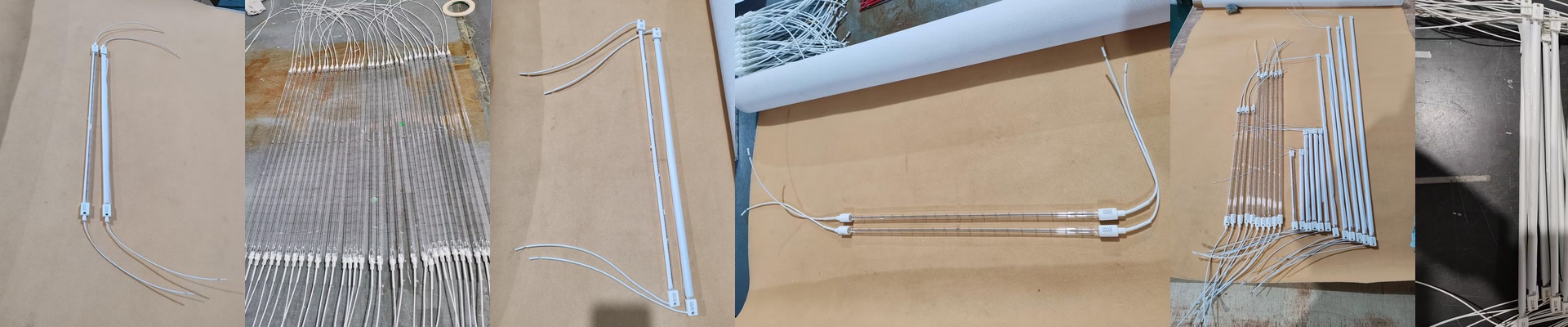
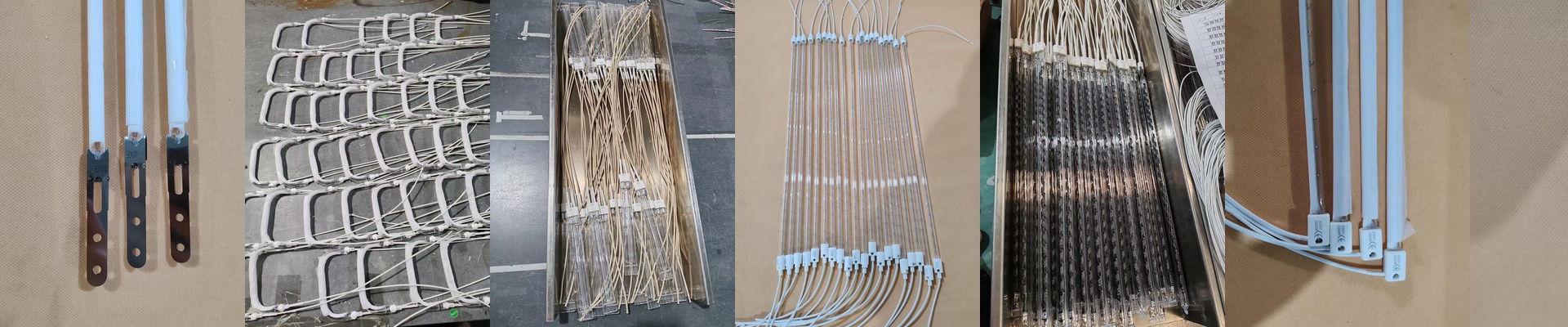
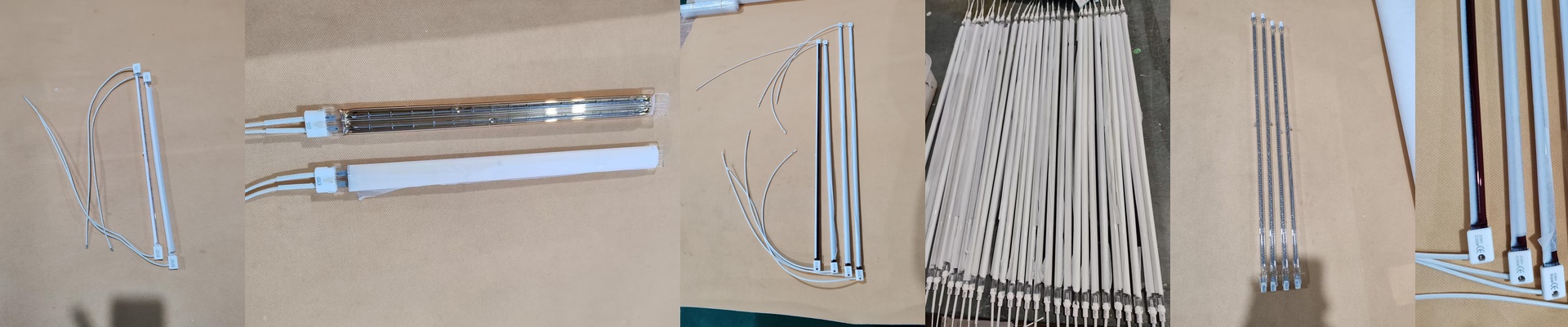
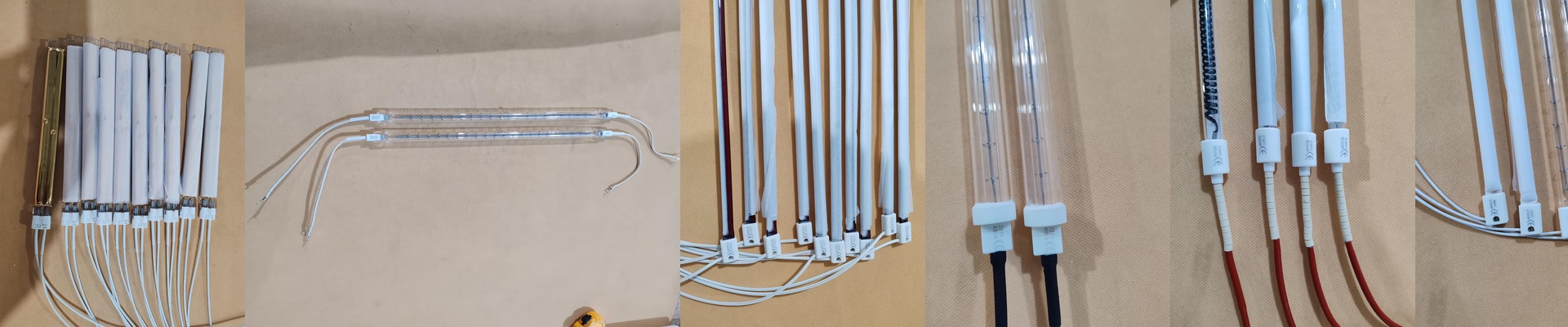
Most old-school heaters just warm up the air, and then the air warms up the plastic. It’s slow. It’s clunky. IR heaters are different. They go straight for the material. When you swap those old lamps for modern short-wave or medium-wave quartz elements, you stop wasting time waiting for the oven to “get up to temp.” You also stop heating the oven walls for no reason. Here is the real secret: it’s all about the wavelength. Think of it like a radio station. If your plastic resin is “listening” at 2.5 microns but your old lamps are broadcasting at 1.0, you’re just throwing money away. When you match the lamp to the polymer, that’s where those 20% savings actually come from.
The “Gotchas”
Now, you can’t just plug in some high-wattage tubes and walk away for a coffee. If you put in high-output halogen tubes where low-power quartz used to be, things get hot—fast. If your line speed isn’t dialed in perfectly, you’ll scorch the surface of your plastic. Your controllers might even need a little tweaking to make sure they don’t overshoot the target temp. And one more thing… check your reflectors. I’ve seen so many engineers spend a fortune on fancy new lamps only to realize their reflectors are dirty or oxidized. If the mirror is cloudy, the heat doesn’t bounce. It just dies.
The Money Side
The best part about this is that it’s an easy sell to the finance people. Since you can track the carbon reduction right on the kWh meter, it fits perfectly into those “green” funding buckets. Plus, the payback is usually fast because you aren’t changing the footprint of the machine. You just wire in the new elements, tweak your zones, and watch the meter drop. Simple.