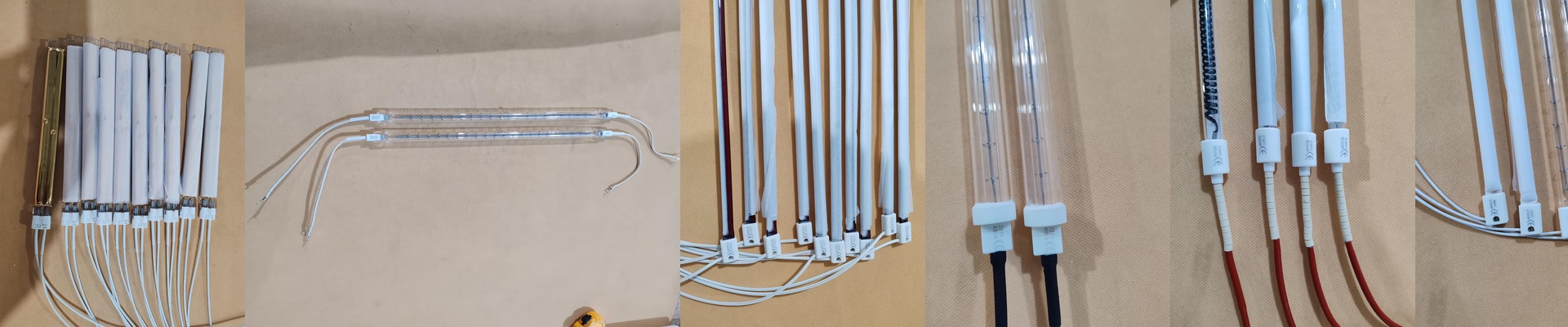
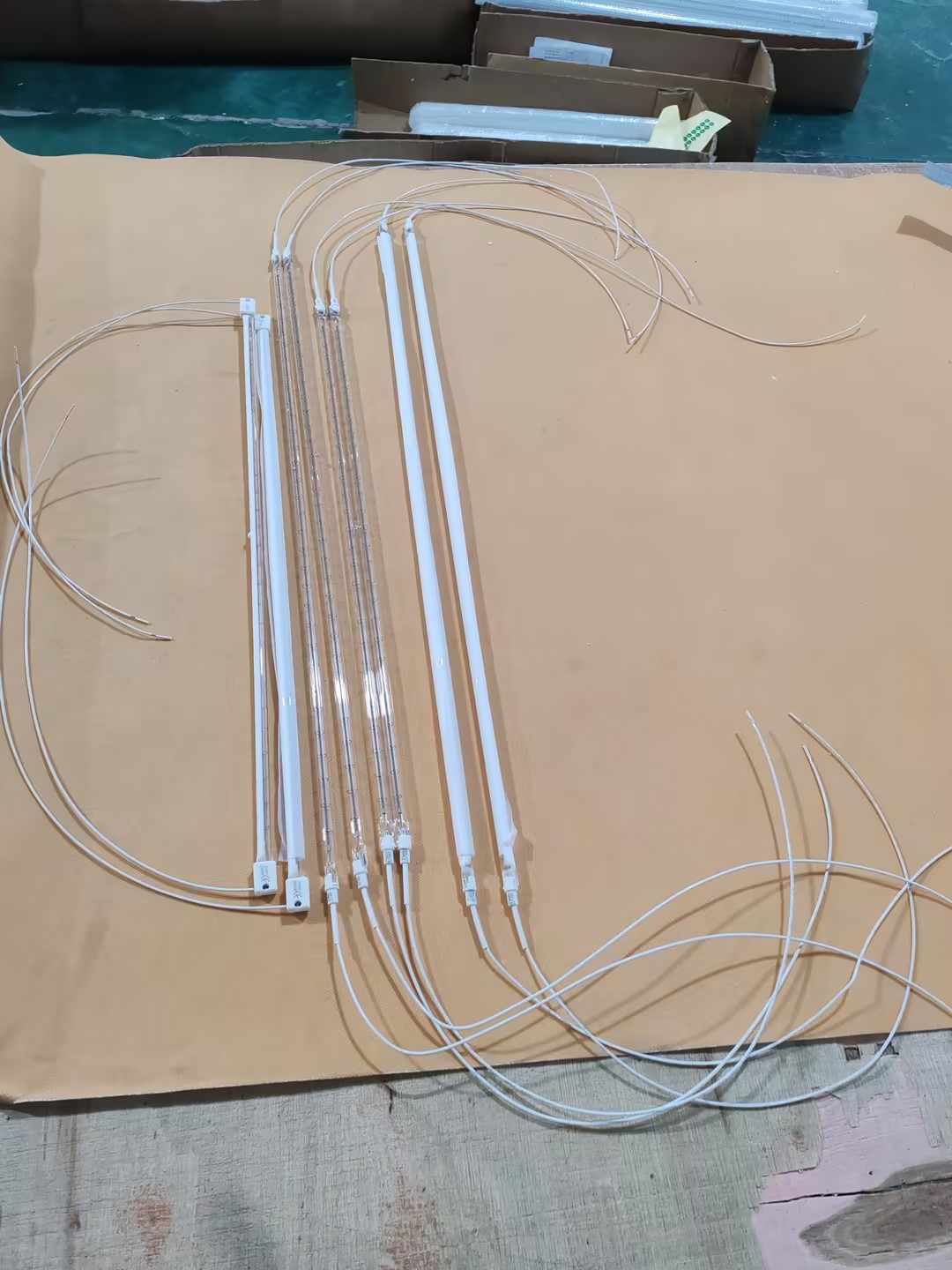
The 230V Halogen Lamp: Precision Heat Where Space Is Tight
We built the 230V halogen lamp for one reason: industrial heating that needs a tight fit and real control. This isn’t your everyday bulb. It’s a compact radiant heater—built to concentrate serious heat into a small footprint. And if you’re working on European industrial lines, the 230V rating is a gift. It plugs right into standard line voltage, so you don’t have to wrestle with extra transformers.
Power, Voltage, and Size—Kept Simple
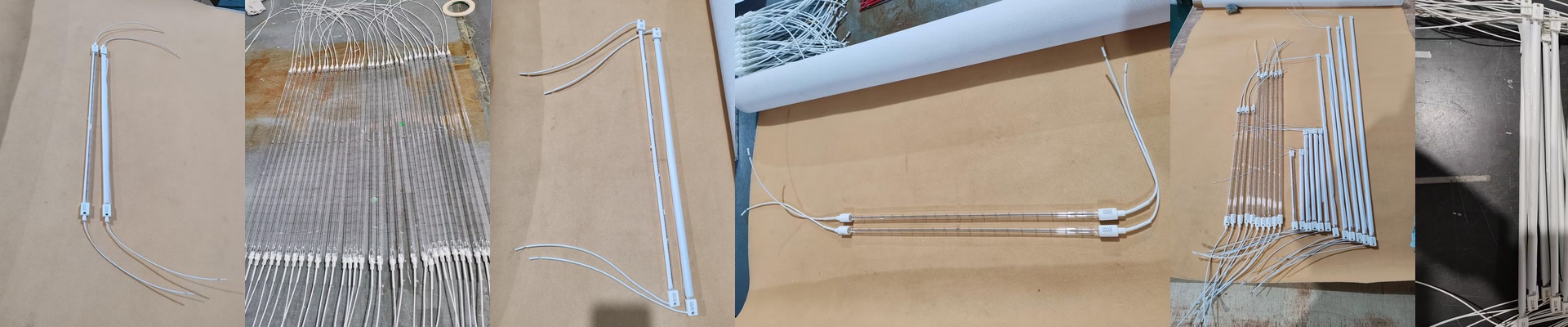
At the heart of it is the 230V rating. That keeps current manageable, which means you can use smaller wiring and put less stress on the fixture contacts. The lamp’s length and tube diameter are designed for tight spaces—think ovens, shrink tunnels, and plastic processing heads. The wattage is chosen to hit the heat density you need, without pushing the envelope too hard. But here’s the catch: high heat density means the surrounding hardware has to be ready for the heat. You’ll need good airflow or proper shielding, or nearby components and wiring will cook.
Built to Handle the Heat
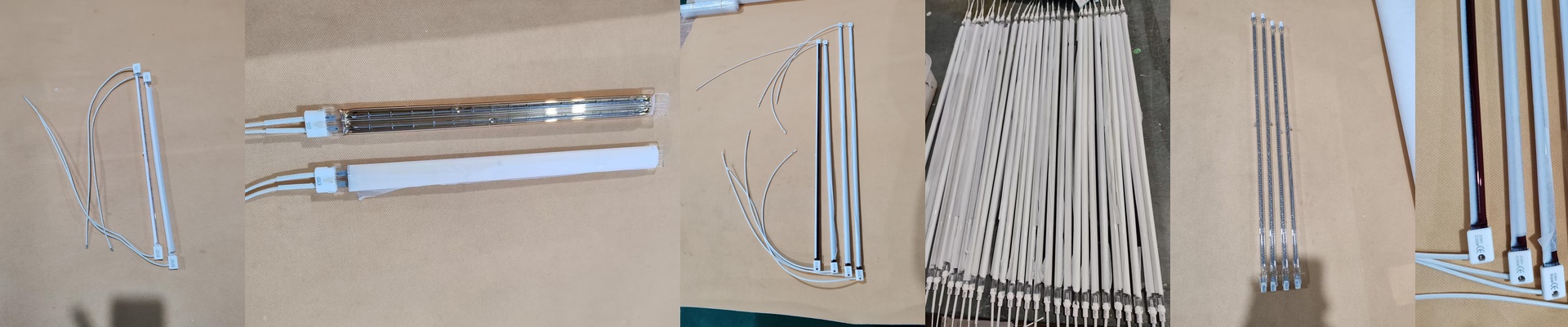
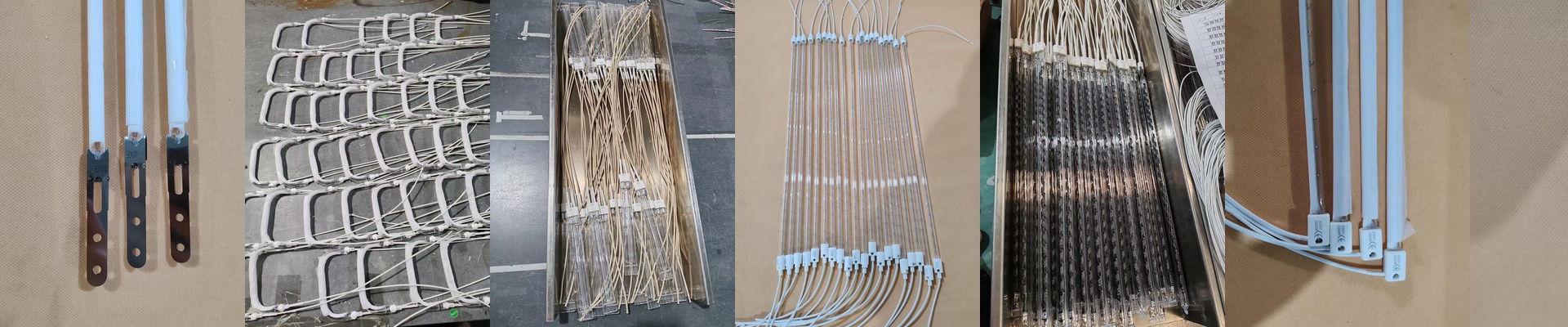
The halogen cycle does a smart trick—it redeposits evaporated tungsten back onto the filament. That keeps the quartz envelope cleaner, stabilizes output, and helps the lamp last longer than a standard incandescent. And the quartz tube? It handles high filament temperatures without flinching, and it resists thermal shock. Then there’s the R7s connector. It gives you a solid, two-contact termination that can take the heat, and it makes the lamp a straightforward drop-in replacement. The linear shape and end-cap build let you mount it straight into reflector assemblies, so the heat goes where you aim it.
Where It Shines—Fast, Focused Heat
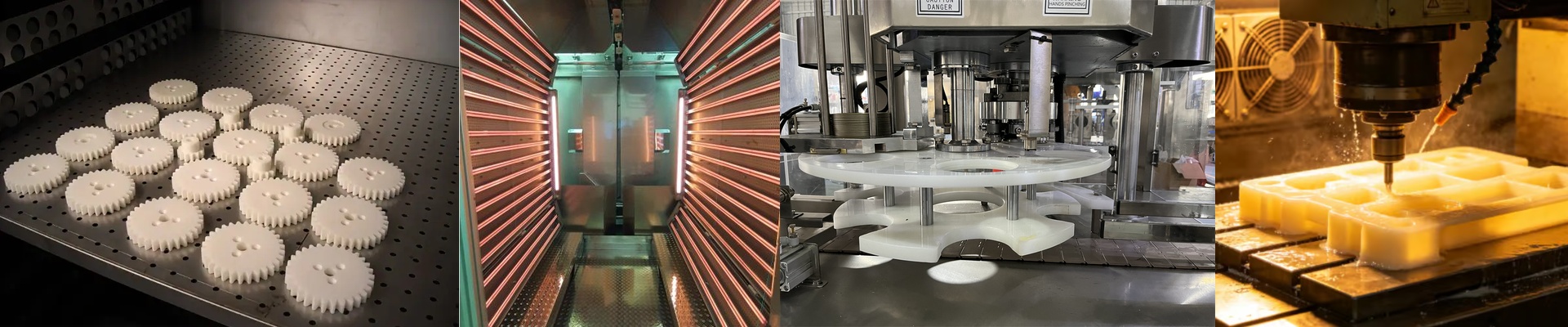
Use this lamp when you need heat fast, with almost no warm-up. It’s common in plastic welding, sealing, curing, and packaging equipment. The 230V supply means you can wire it in without conversion gear, and the halogen chemistry keeps output steady over time. Just plan for the heat. This lamp runs hot, so your reflector and mounting hardware need to be rated for the same temperature. When you size it right and manage the thermal side, you get repeatable heating performance—packed into a small footprint.