Let’s Talk About Quartz Halogen Bulbs
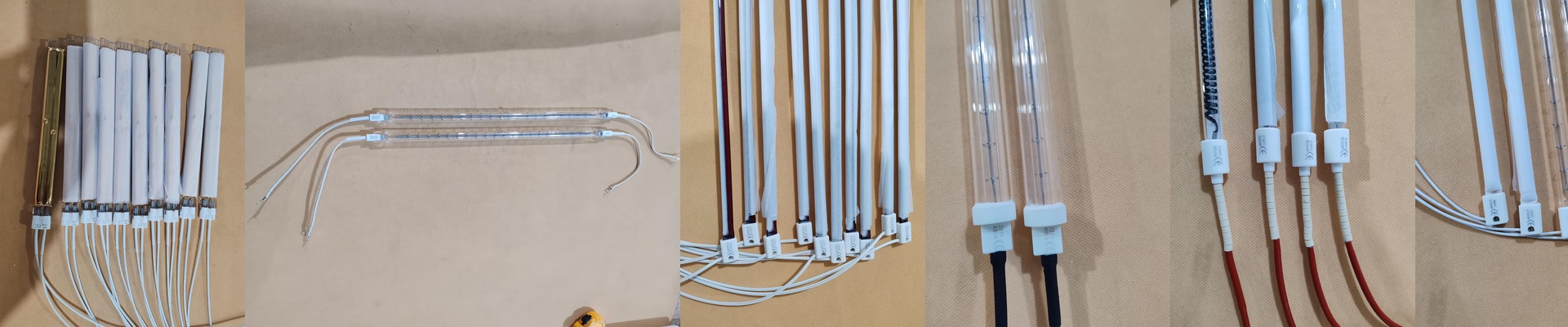
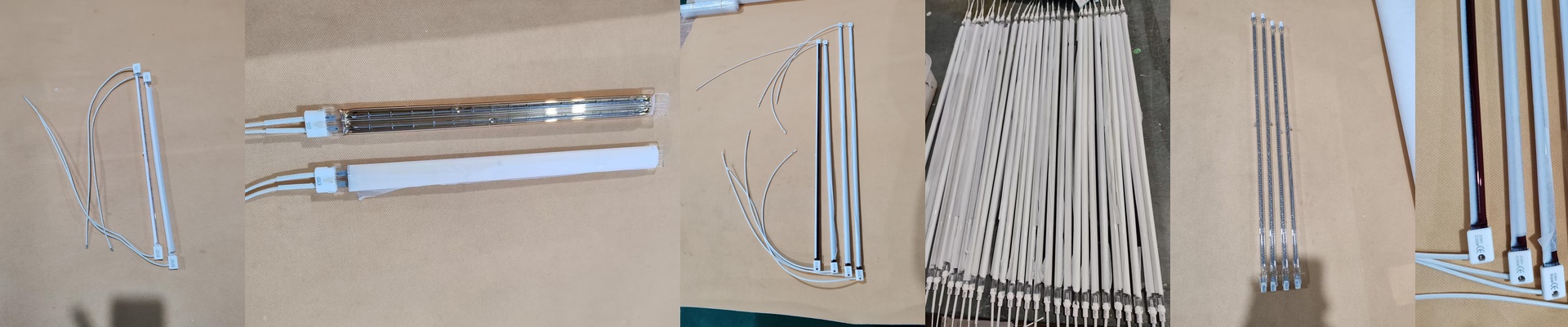
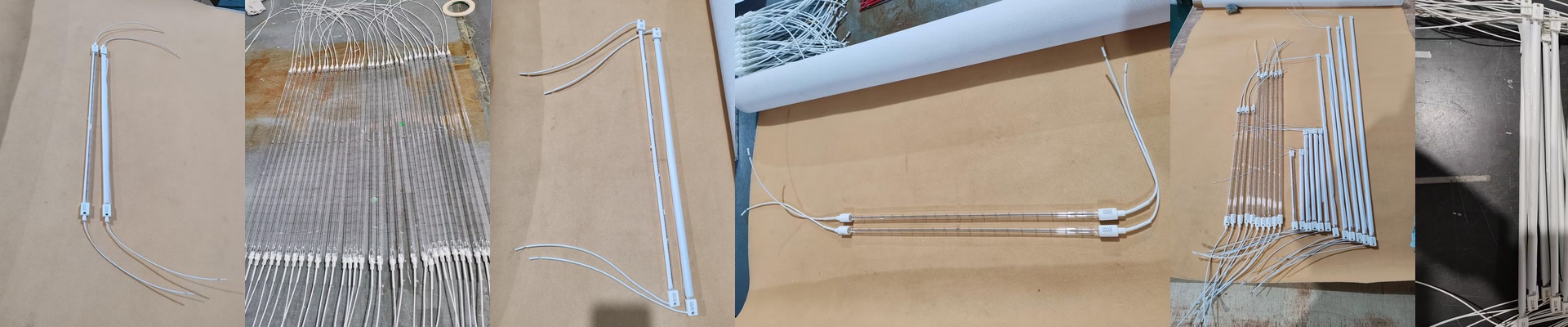
Ever wonder why some industrial heaters just work while others burn out in a week? It usually comes down to what’s happening inside the glass. We use a tungsten filament tucked inside a quartz envelope and fill the whole thing with halogen gas. The magic here is that the gas stops the tungsten from sticking to the walls. That means your bulb stays clear and bright instead of turning a murky gray over time.
Getting the Heat Right
The real trick is balancing your wattage and voltage. If you need your project to heat up fast—like, right now—you’ll want a high-wattage tube. It packs more heat into every inch of the bulb. We build these to fit your specific setup so the heat actually hits your workpiece, not the machine frame. But a word of warning: these things get incredibly hot. If your cooling fans aren’t up to the task, you’re going to end up with melted sockets. Not a fun way to spend a Tuesday.
Why Quartz?
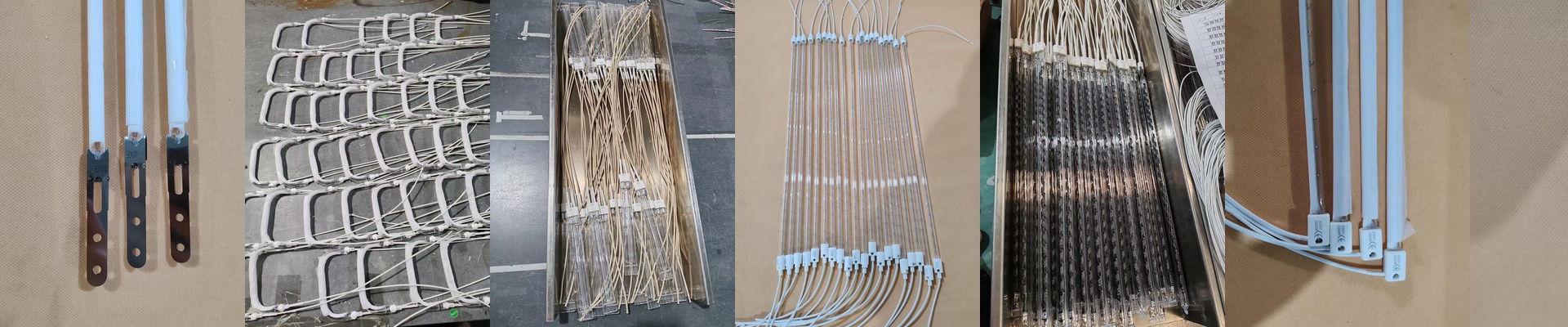
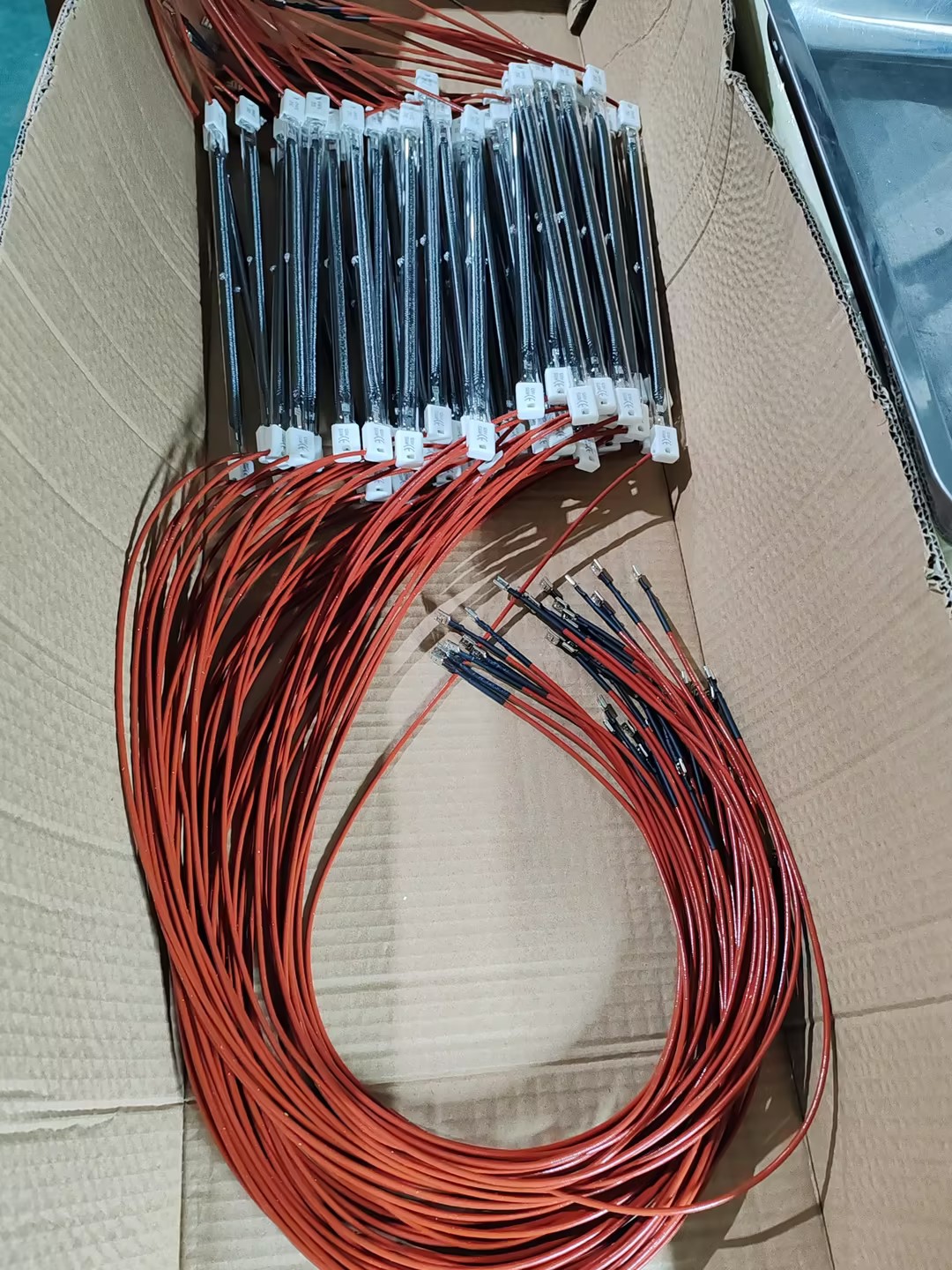
Standard glass would shatter the second it hit 1000°C. Quartz doesn’t care. It handles that massive temperature spike without breaking a sweat. Depending on how your machine is built, we can swap out the connectors. You might want R7s bases if you need to pop them in and out quickly, or maybe SK15 leads for those sealed industrial ovens. And if you’re looking for an extra punch, we can add a reflective coating. It basically bounces all that IR energy in one direction, which effectively doubles the heat hitting your target.
Pro Tips for the Shop Floor
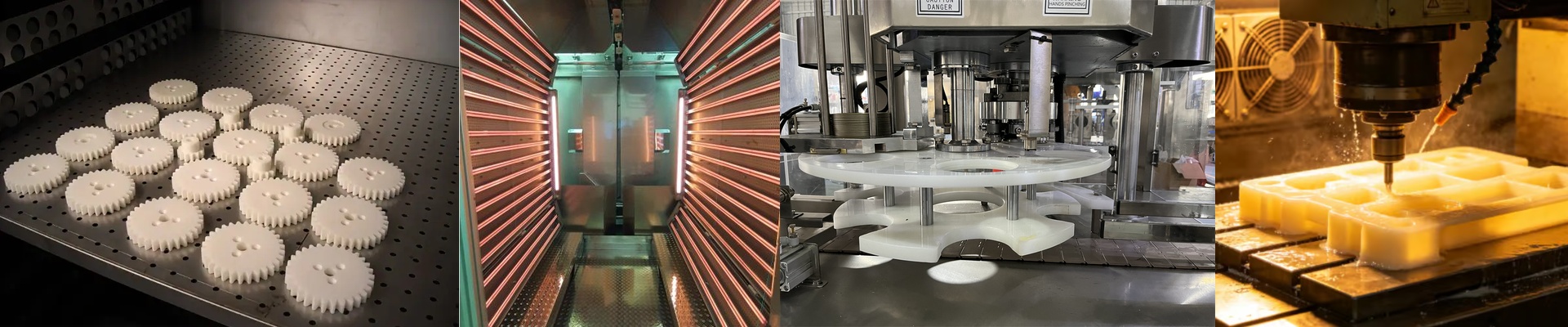
You’ll see these bulbs everywhere—from PET blowing and powder coating to curing semiconductors. We make them as “drop-in” as possible so you aren’t spending your weekend rewiring a control panel. Here is the most important part: don’t touch the glass. Seriously. Even a tiny bit of oil from your skin creates a hotspot. Once that happens, the quartz stresses out and the bulb burns out way faster than it should. Grab some lint-free gloves before you install them. Your future self will thank you.