Let’s Talk About Clear IR Halogen Heat Lamps
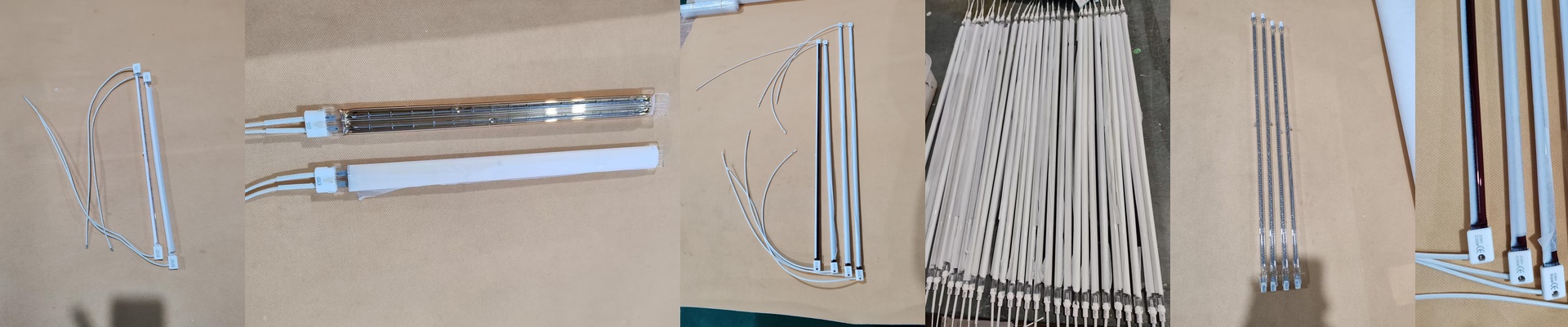
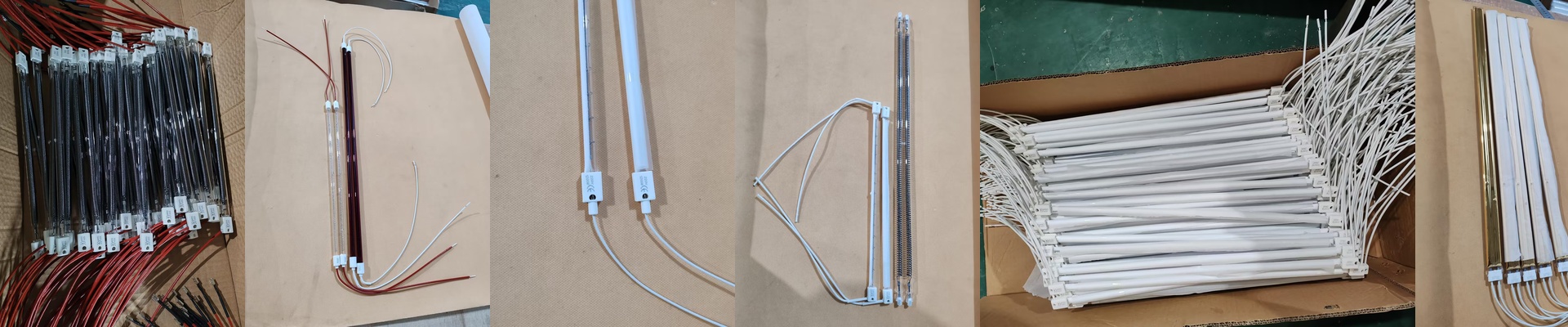
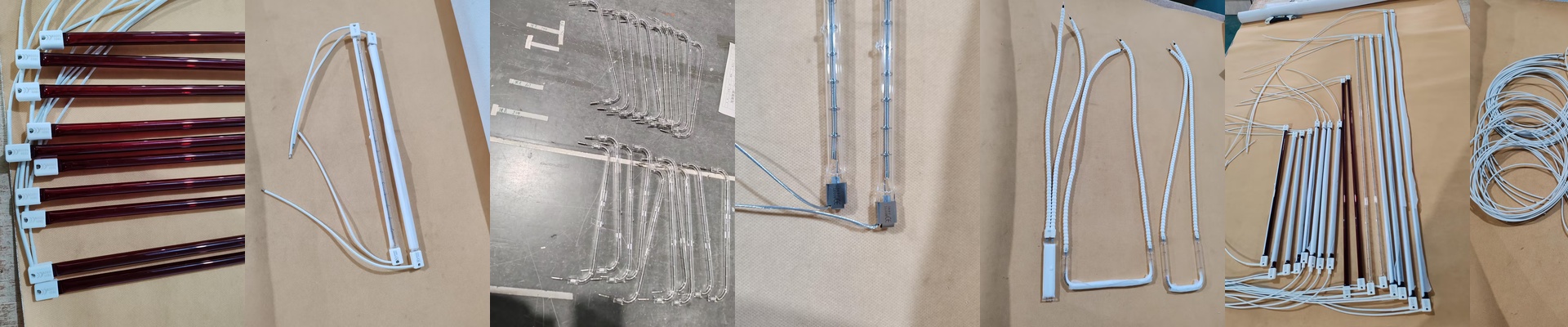
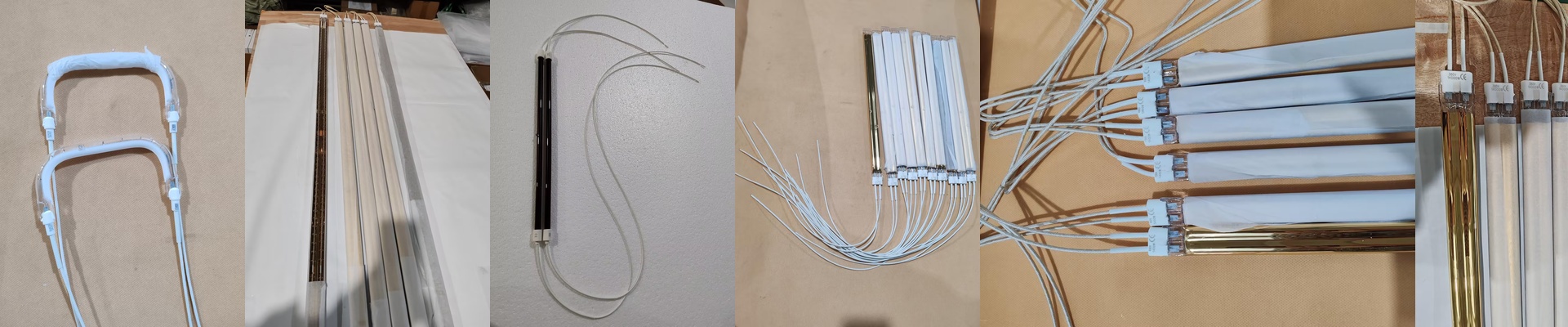
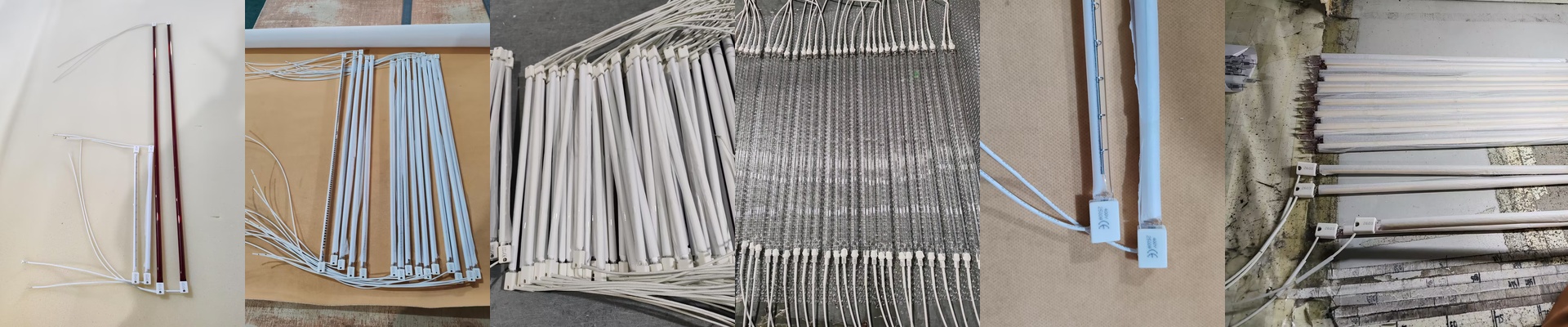
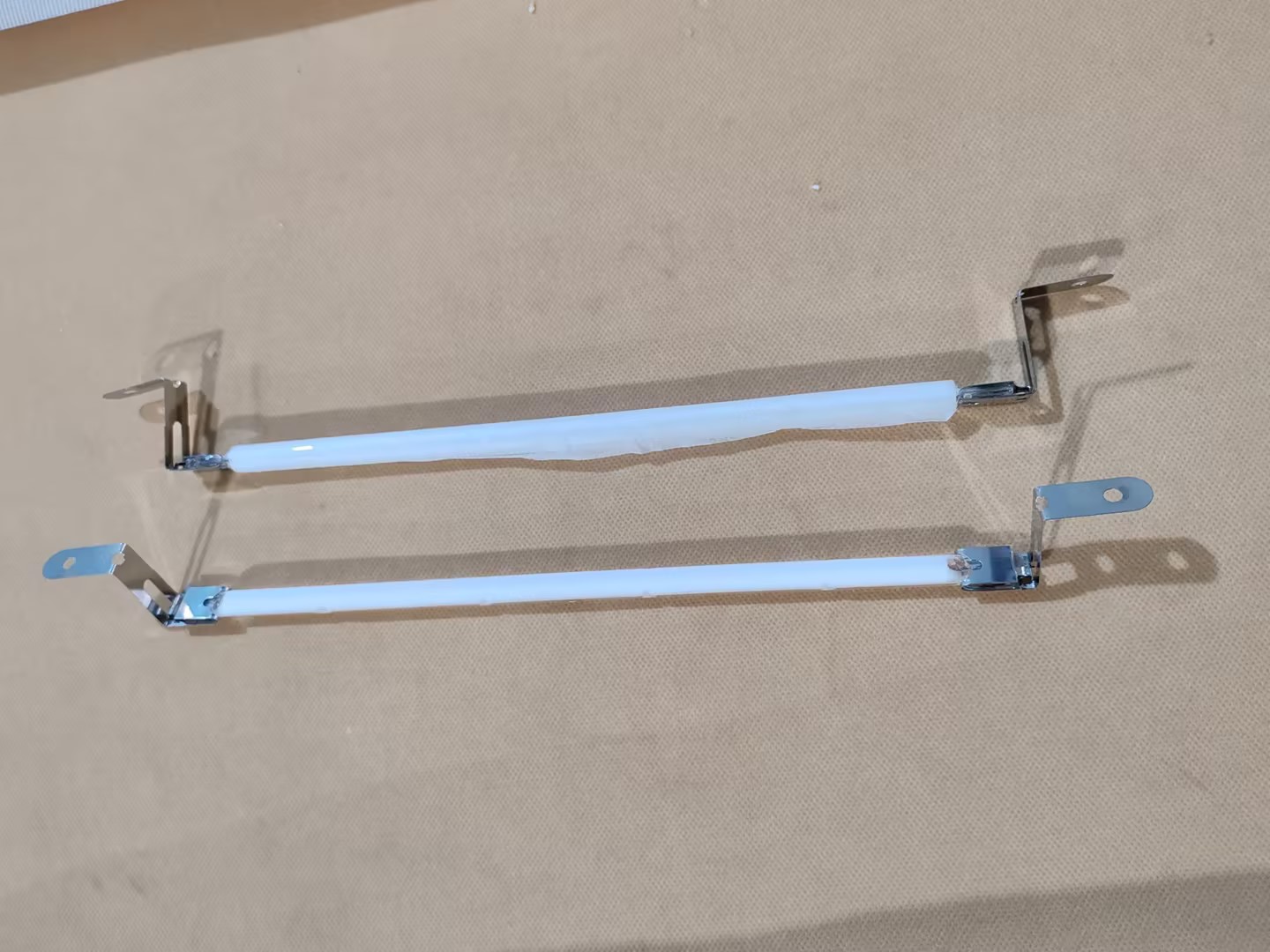
Ever wondered why some heaters just warm the air while others seem to punch right through a material? That’s the magic of clear infrared (IR) halogen lamps. Instead of just heating the surface, these things push energy in a tight spectrum. It’s a deeper kind of heat. We build them with a tungsten filament tucked inside a quartz envelope and filled with halogen gas. That gas is the secret sauce—it stops the filament from wearing out too fast, so you can crank up the temperature without killing the lamp in a week. Getting the power right Here is the thing: it all comes down to how much wattage you can cram into a specific length. If you want a massive, rapid spike in temperature, you need high wattage over a short distance. It’s all about that density. But you’ve got to be careful with your voltage. If you plug a 400V tube into a 230V circuit, you’re going to be disappointed—the output will be weak. On the flip side? Over-volting it will fry your filament instantly.Pop.Gone. The build and the fit We use clear quartz glass because it lets the IR radiation slide right through without getting stuck. When it comes to plugging them in, we usually stick with R7s or SK15 connectors. They’re pretty much standard, so they should drop right into most industrial setups. I especially like the R7s spring-loaded contacts. They keep everything snug, which means you don’t have to worry about annoying electrical arcing at the terminals. Real-world use (and the catch) You’ll see these lamps working hard in PET bottle blowing or plastic curing lines. When you’ve got a high-speed conveyor moving, you can’t wait around for a heater to warm up. You need it now. But look, there’s a trade-off. That quartz envelope getsinsanely hot. If your cooling fans quit or your housing is too small, you’re asking for trouble. You could warp your lamp holders or toast your sensors. Just make sure your wiring can actually handle the current draw, or you’ll deal with voltage drops that mess with your whole line.