When Your Conveyor Oven Starts to Feel Its Age
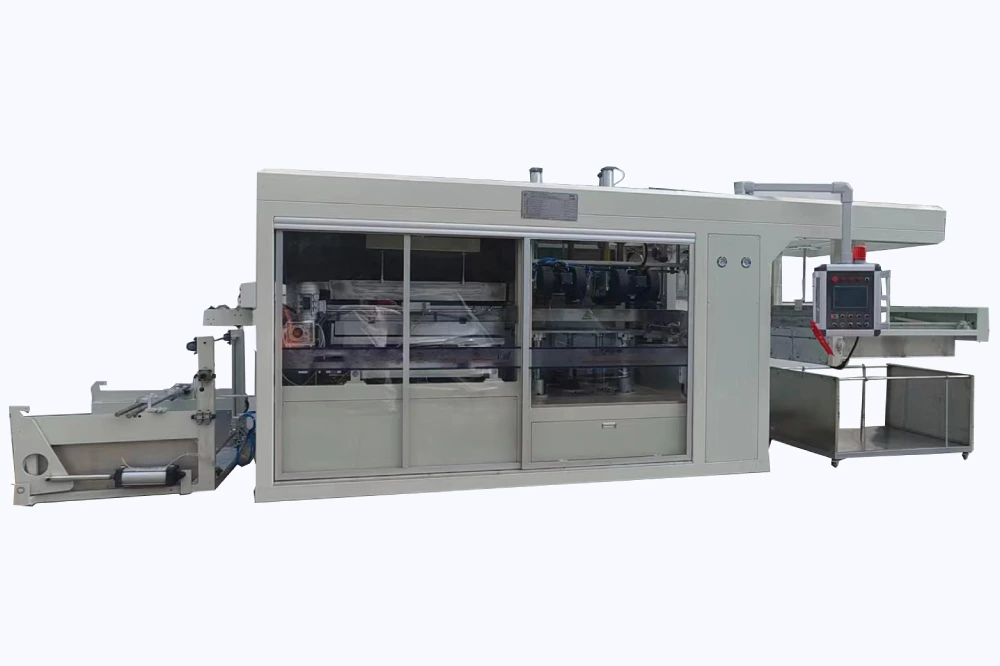
Let’s talk about that conveyor oven on your shop floor. The one that’s been chugging along for years, getting slower and more expensive with every passing month. We see it all the time, especially with plastic processing lines. The question we always get is a good one: can we just upgrade the heating elements and actually see a real drop in the electricity bill? Like, a solid 20%? The short answer? Yes. But only if you pick the right infrared technology.
What Goes Into the Upgrade
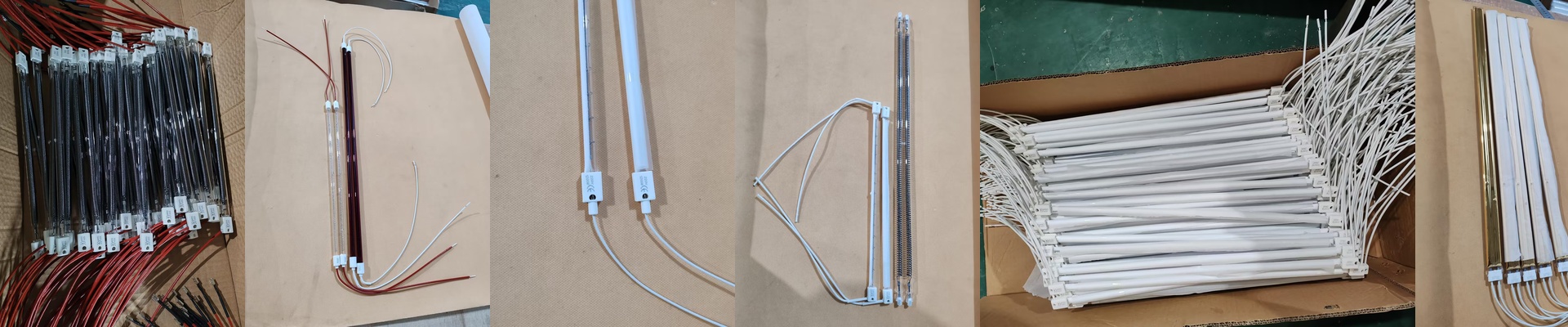
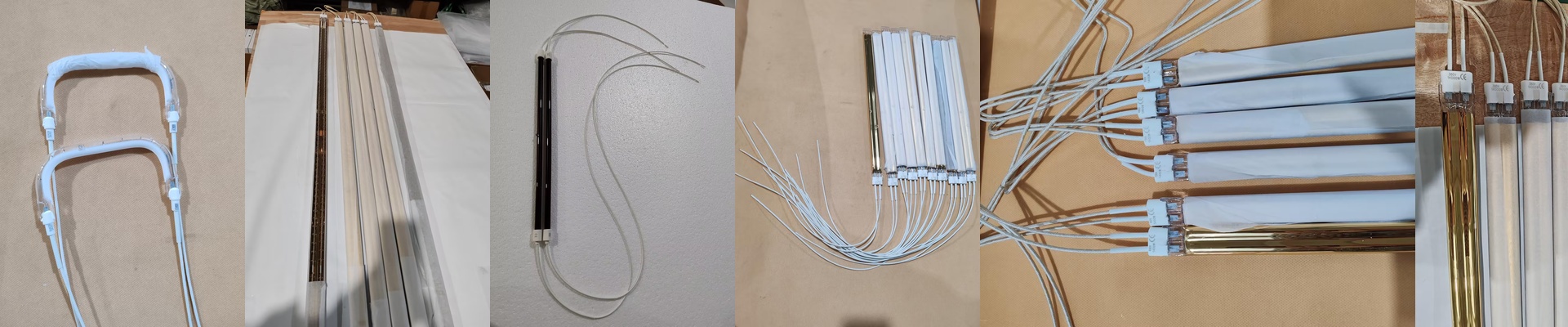
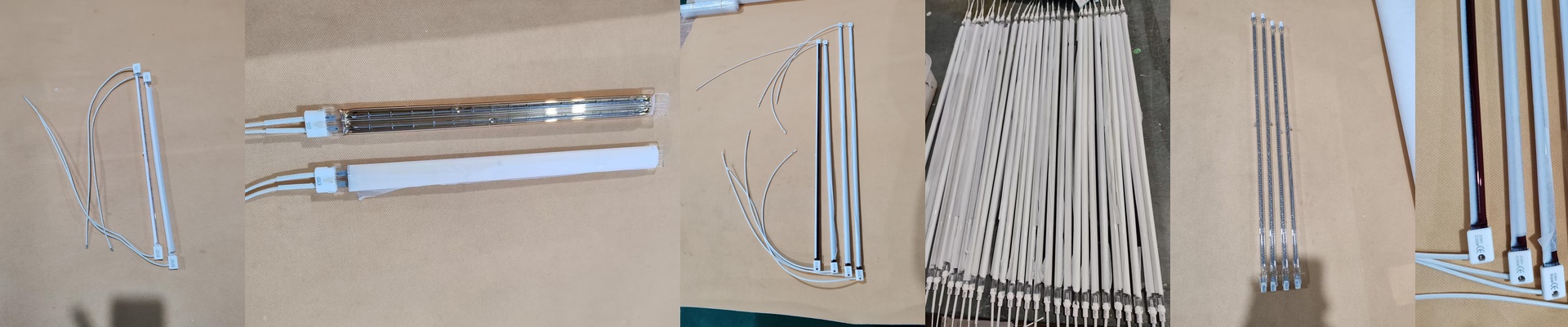
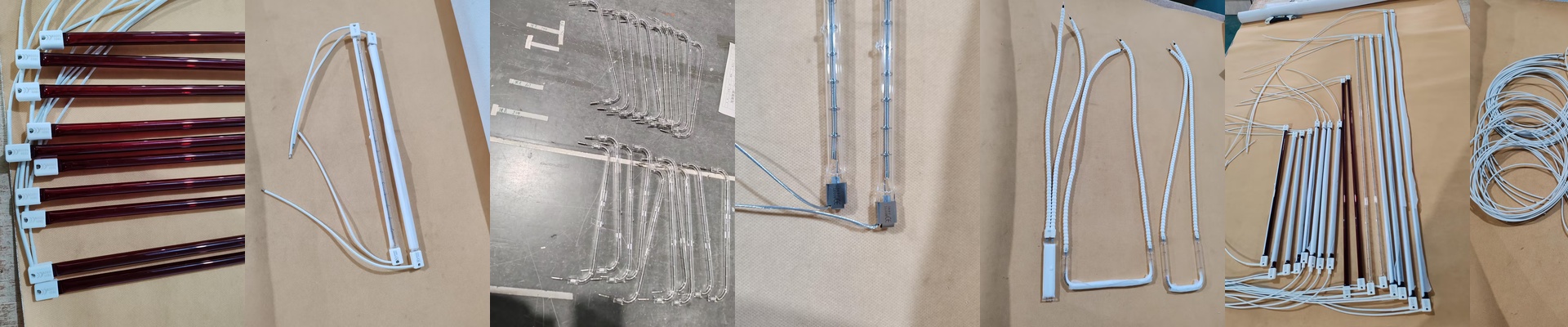
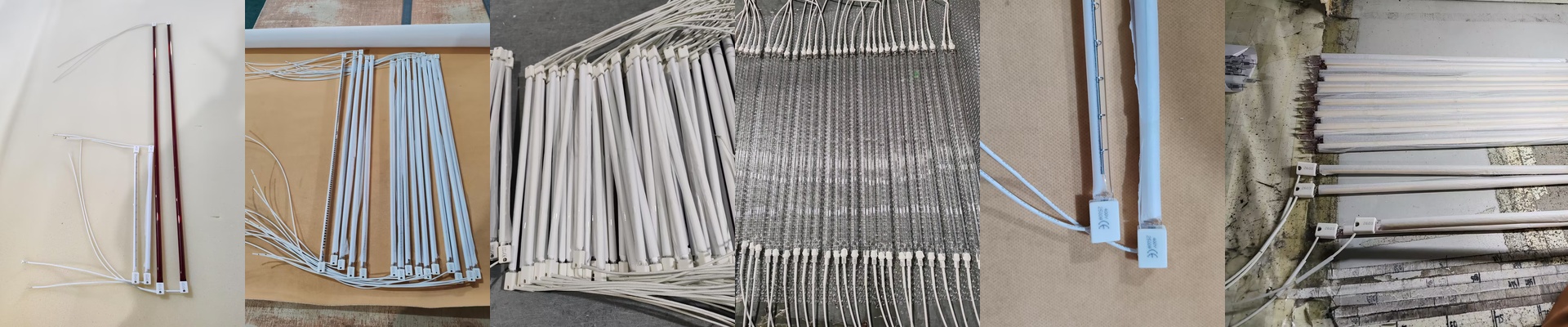
Here’s the thing about making this work. We’re swapping in high-wattage, shortwave tubes—the kind that pack a real punch. Each one is rated at 2500W, and they absolutely need to run on a 400V circuit. That high voltage is key. It lets the tube blast out intense, focused heat without pulling a crazy amount of current. The result? Your wiring stays clean, and you don’t have to worry about the breakers tripping. And the size? We typically use 300mm tubes. Why? Because that length fits perfectly into the existing oven zones. It’s a true drop-in replacement, so you keep your housing and all the mounting brackets. No major overhaul needed.
The Secret to the Design
The heart of these tubes is a quartz envelope, often coated, built to handle the shock of rapid on-and-off cycles. This is where the halogen tech really shines. It lets the filament run hot—really hot—producing that high-intensity, shortwave output. This heat doesn’t just warm the air; it cuts right through and heats the plastic from the inside out. And when it comes to the connectors, we keep it simple and tough. We use R7s or Sk15 fittings. They’re industrial-grade, built to take a beating on the factory floor, and when a tube finally burns out, you can swap it in a flash—no tools required.
What It Feels Like on the Line
On a plastic processing line, this upgrade feels like a breath of fresh air. The shortwave energy gets the job done faster. Warm-up time? Gone. Overall cycle time? Way down. That direct energy transfer is exactly how you hit that 20% energy savings. But, and there’s always a but, the power is dense. That means your oven’s cooling system has to be up to the task. It needs to be able to handle the extra ambient heat. If you’re running an older line, a targeted infrared retrofit isn’t just a good idea. It’s a practical, measurable step forward.