Introduction
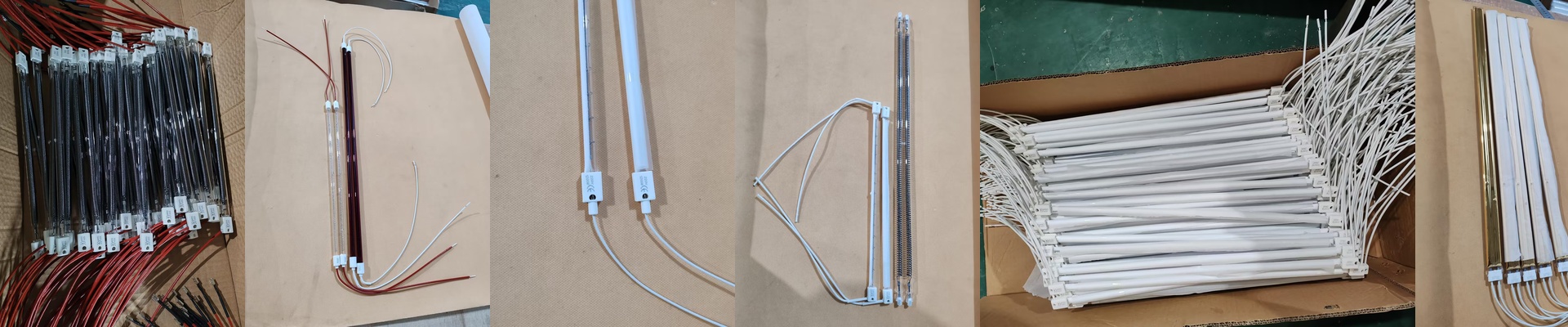
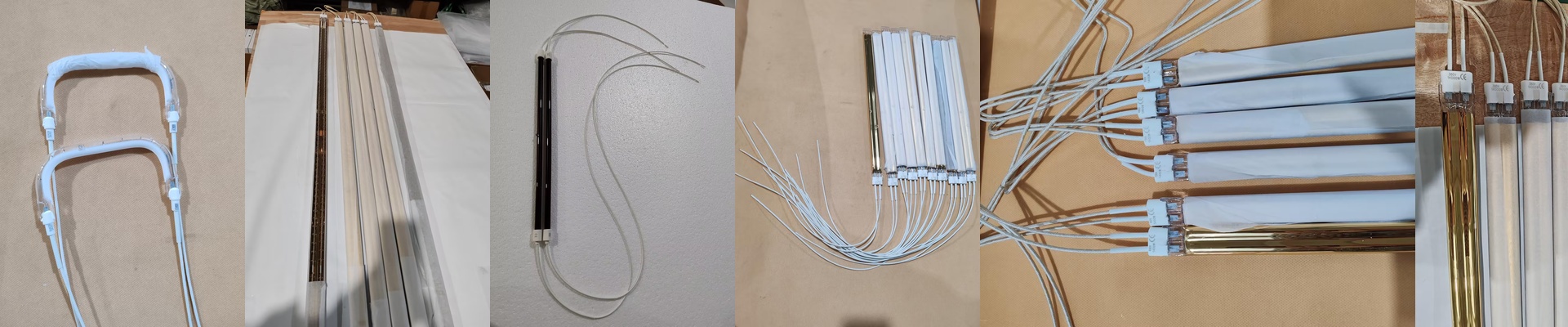
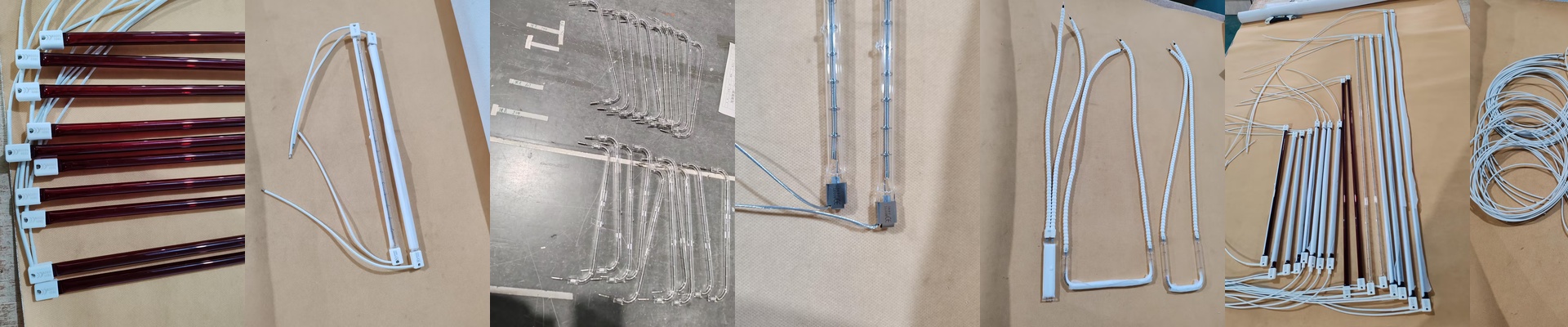
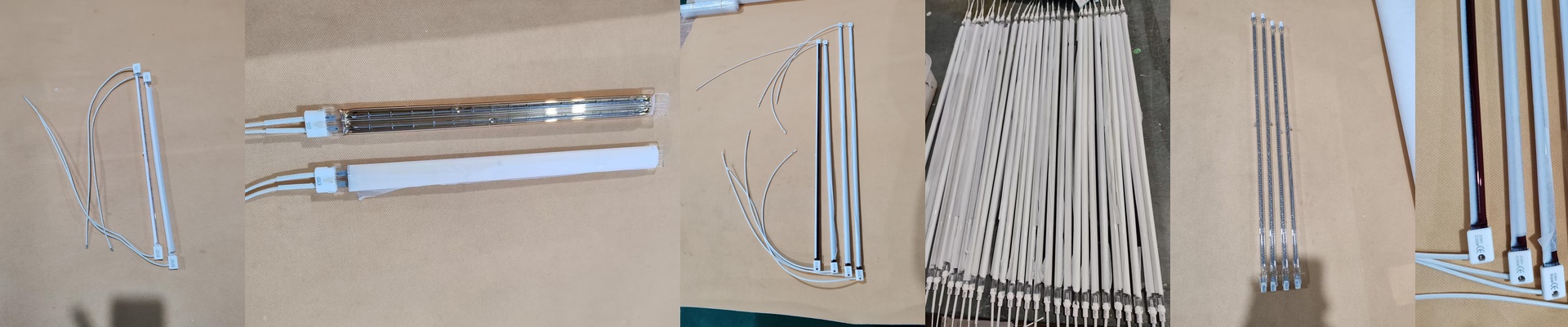
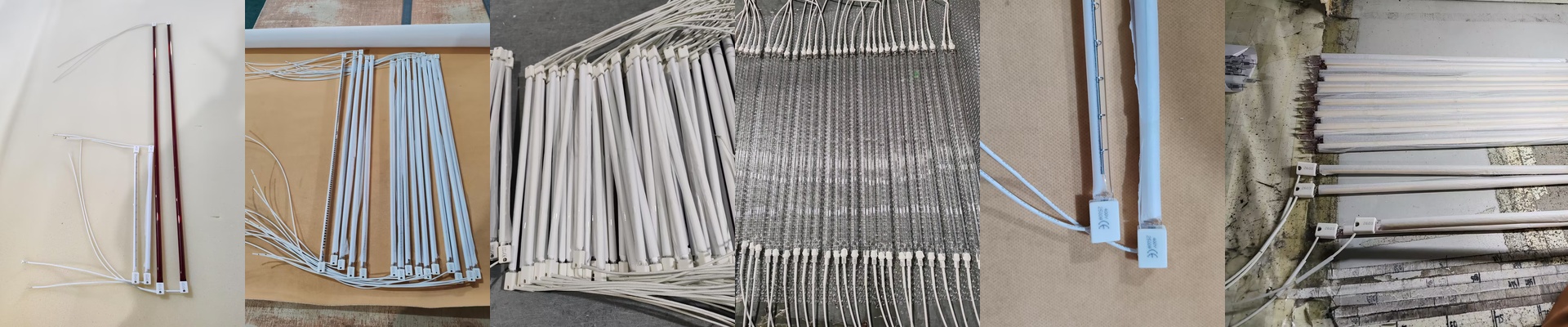
Picture this: you need serious, focused heat in a seriously tight spot. That’s exactly why we build these halogen heater tubes. Forget what you know about standard heat lamps. These are shortwave infrared emitters, built for one thing: dumping a ton of power right where you need it. We’re talking pre-heating a mold, softening plastic—jobs that demand intensity, fast. At the heart of it all is a quartz envelope, wrapped around a halogen filament. It’s a design built to handle high voltage and the constant shock of heating up and cooling down, without breaking a sweat.
The Nitty-Gritty
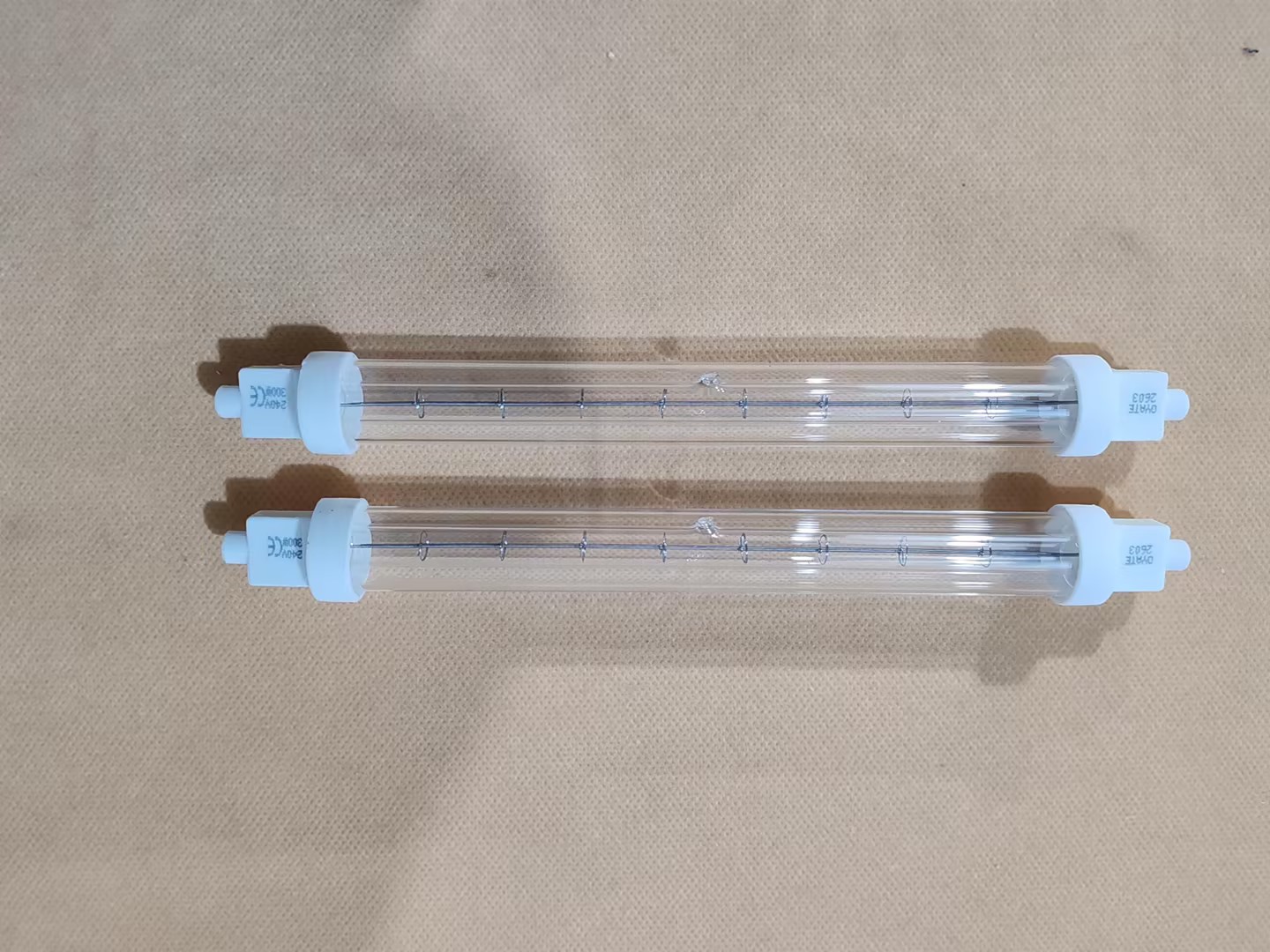
When you’re sizing one of these up, you’re really just looking at three things: wattage, voltage, and length. Those three tell the whole story about how much heat you’re getting and how it plugs into your machine. Here’s a good example: a compact 300mm tube running on 400V. That setup lets you pack in serious wattage without forcing too much current through the wiring. It keeps the wires thinner and prevents voltage from dropping off over distance. Just remember, this stuff is powerful. You’ve got to match the heater to the job and make sure your machine can handle the heat. Pop a 2500W tube into a closed-off space, and things will get hot. Fast. So plan for airflow or some shielding.
What’s Inside
We chose quartz for the outer shell because it handles extreme heat and sudden changes without cracking. It also lets that shortwave infrared energy blast right through, which means you get instant heat and an instant response. The halogen cycle inside is what keeps the filament clean, so it lasts way longer than a standard incandescent bulb. And we’ve added an internal reflective coating to push more energy forward, so you’re not wasting any heat out the back. Installation is straightforward, too. The R7s connector is a double-ended fitting that gives you a solid, reliable connection. It’s built to take the heat at the tube ends and makes swapping them out a breeze.
Where They Shine
You’ll see these tubes everywhere that needs fast, pinpoint heat. They’re a go-to for PET blowing, where that parison has to be heated evenly before it’s stretched. They’re also workhorses in thermoforming, injection mold pre-heating, and drying lines. The beauty of the shortwave output is that it heats the surface directly, not the air around it. That gives you way better control over the process speed and your energy use. And because they’re so compact, you can fit a ton of heat into a tiny space. Just keep in mind: with that kind of power comes responsibility. If you’re working with a thin or heat-sensitive material, you’ve got to be careful with exposure time and distance. Get the mounting and airflow right, and you’ll keep both the tube and the surrounding parts from overheating.