Stop Overpaying for Brand-Name Heaters in Your Molding Line
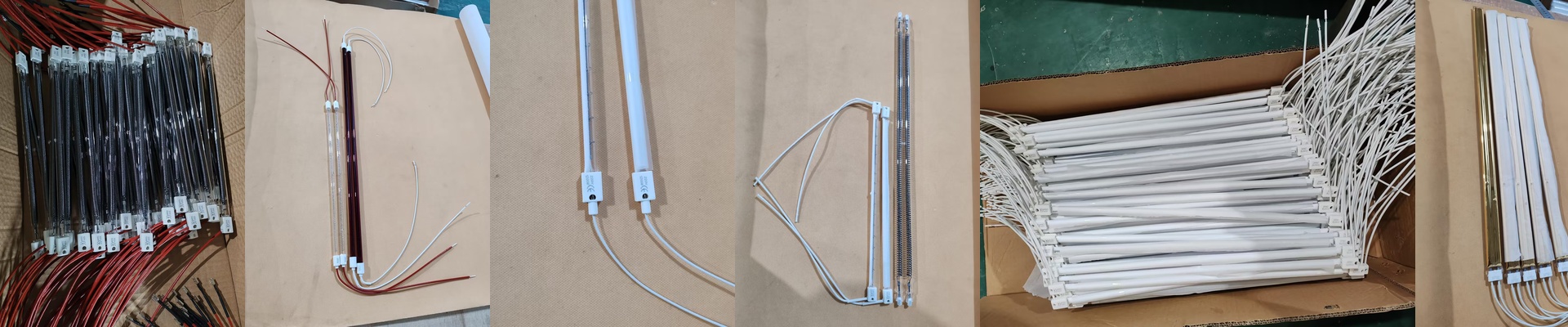
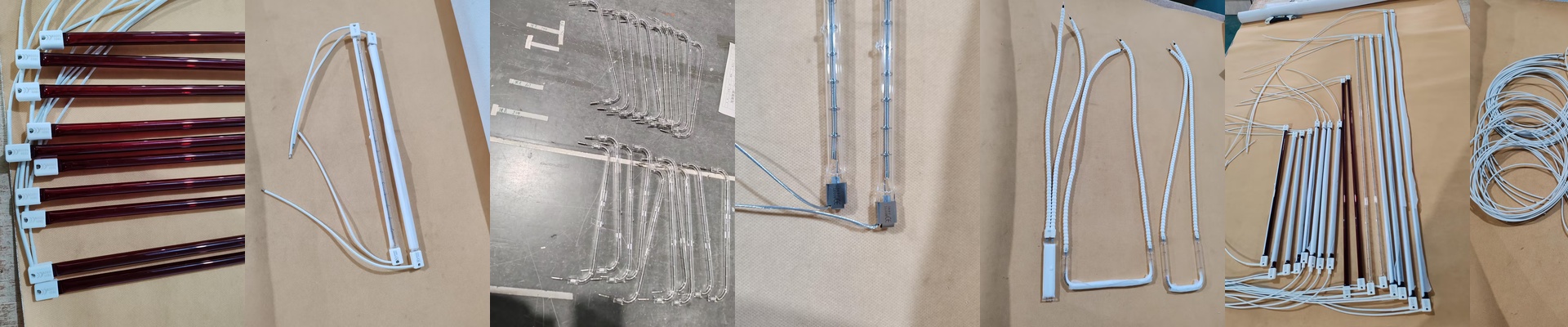
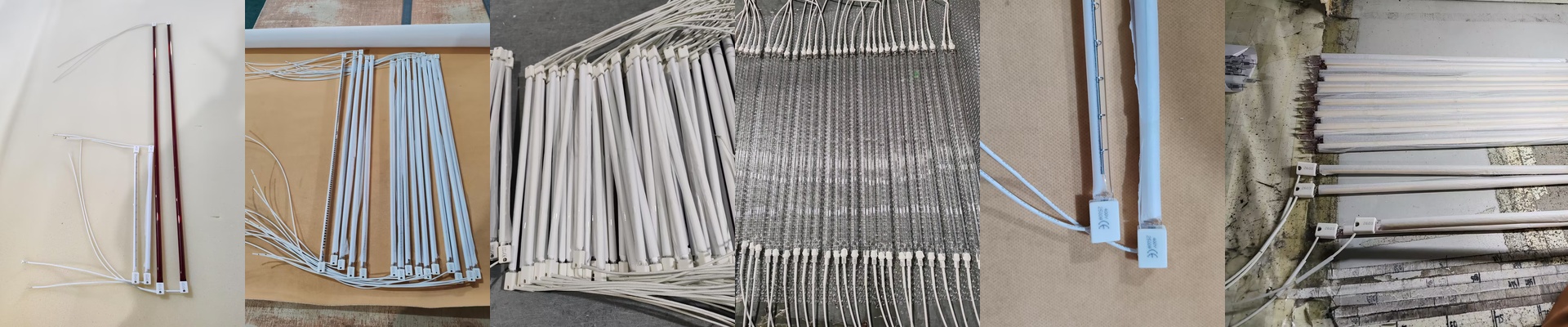
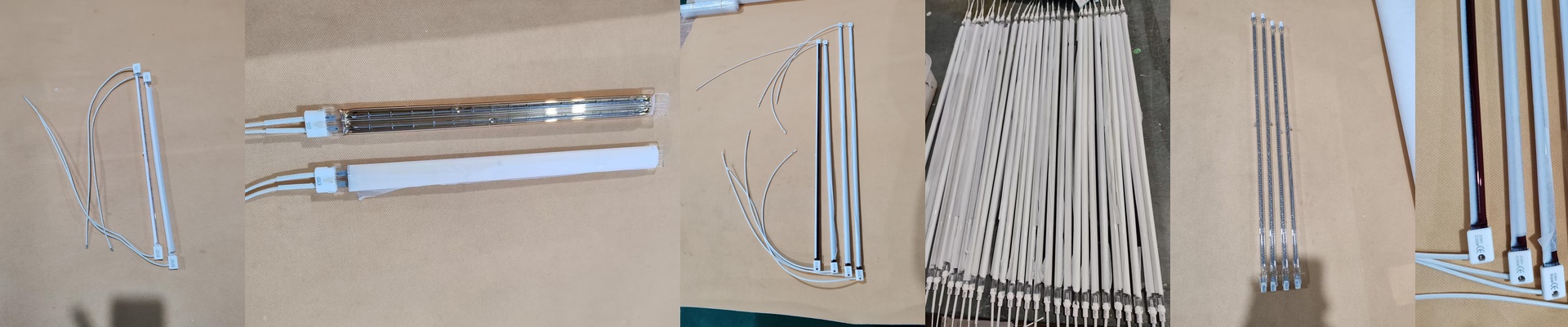
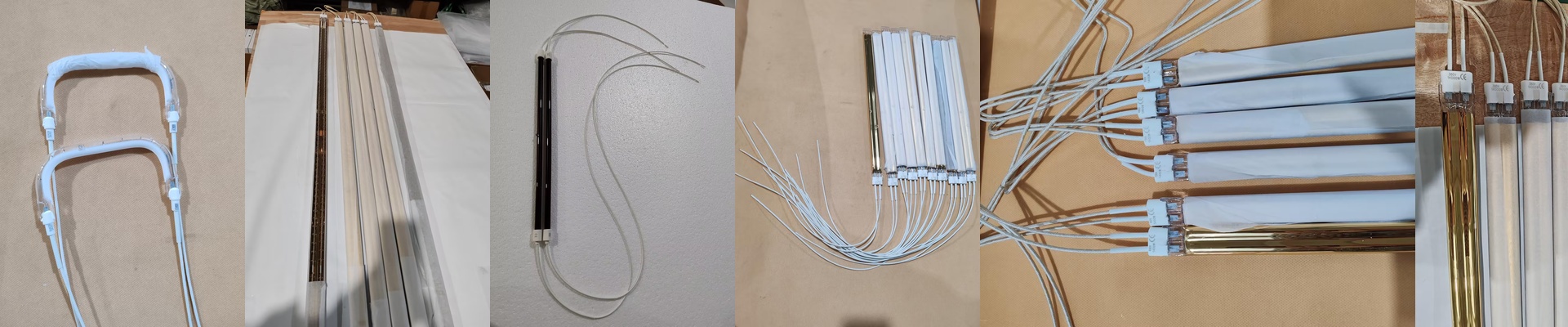
If you’re running automotive injection molding, you know that heat is everything. Most Tier 1 suppliers stick with those big European heater brands because they’re “safe.” The specs are vetted, the name is recognized, and nobody gets fired for buying the expensive option. But here’s the thing: if you actually look at the physics—the quartz purity, the wavelength, the watt density—the difference between a “big brand” and a smart alternative is usually pretty much zero. What actually matters? When we’re looking at a replacement lamp, we don’t care about the logo. We care about the ohms and the output. For automotive plastics, it’s all about balancing voltage and wattage to get the right heat flux. Sure, high-voltage systems let you use thinner wiring, but if your PID controllers aren’t dialed in perfectly, you’re just asking for a burnt-out filament. And let’s be real—nobody wants to spend their weekend rewiring an entire oven just to swap a lamp. That’s why we make sure the length and connectors (whether it’s an R7s or a custom lead) are exact. You just pop it in and get back to work. Getting the heat where it belongs We use high-purity quartz glass. Why? Because you want the infrared radiation hitting the plastic, not getting trapped in the tube. For some specific jobs, we add coatings to shift the emission spectrum. This targets the polymer’s absorption bands so the plastic melts from the inside out. No surface scorching. No ruined parts. Just a clean melt. The catch (and how to avoid it) Higher watt density is great because it kills your cycle time. That’s the dream. But it also puts a lot more stress on the quartz. This is where people mess up: they ignore their reflectors. If your reflectors are dirty, they bounce heat right back into the lamp. That makes the glass soften or the filament snap way too early. Keep them clean, and your lamps will actually last. We’ll give you the data sheets and the thermal maps. You check the melt temperature. It’s a simple way to stop paying the “brand tax” without risking your production line.