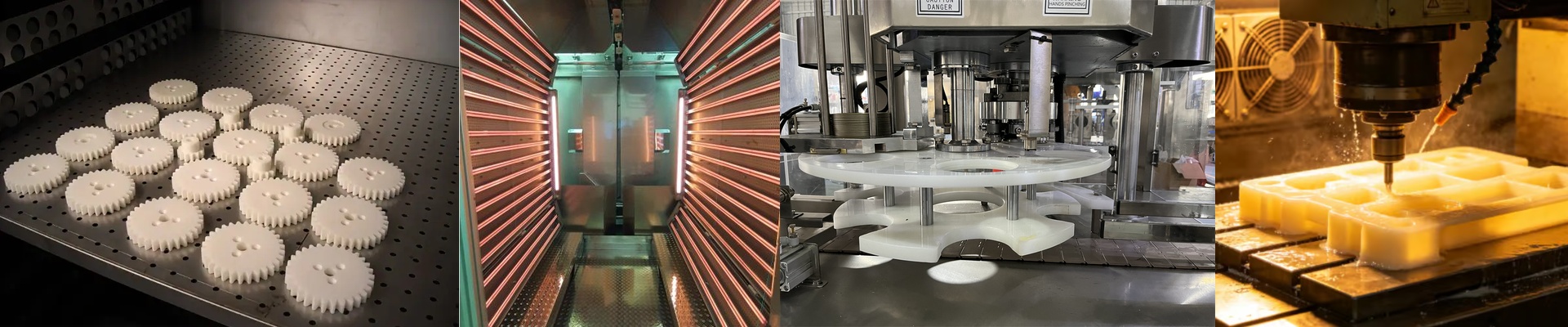
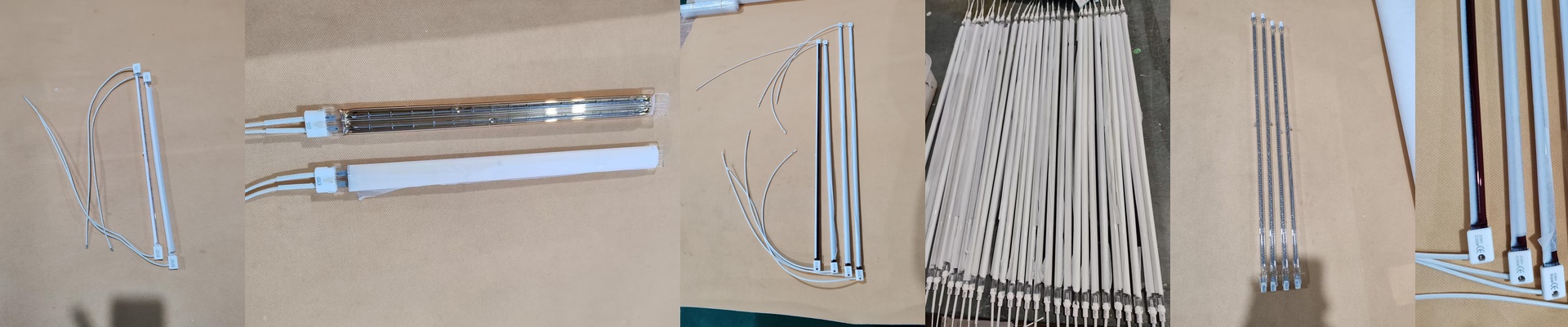
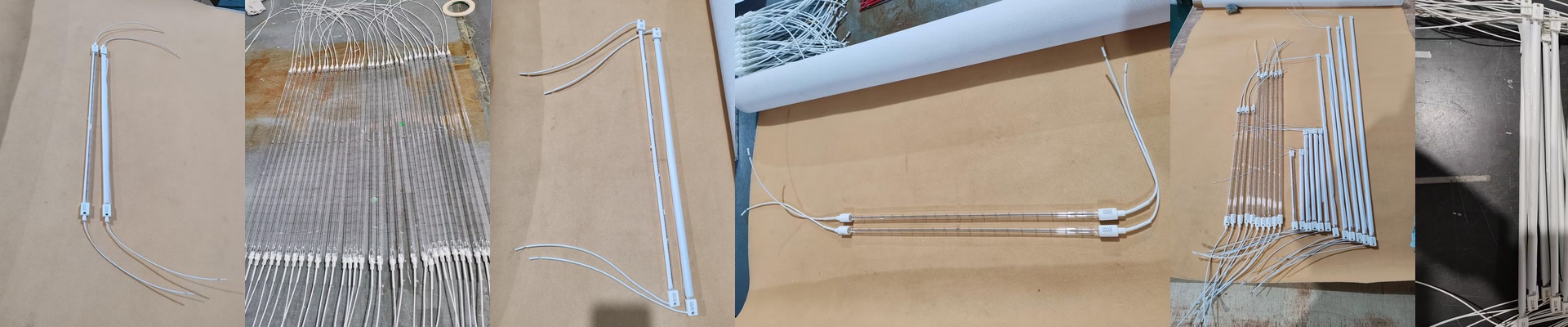
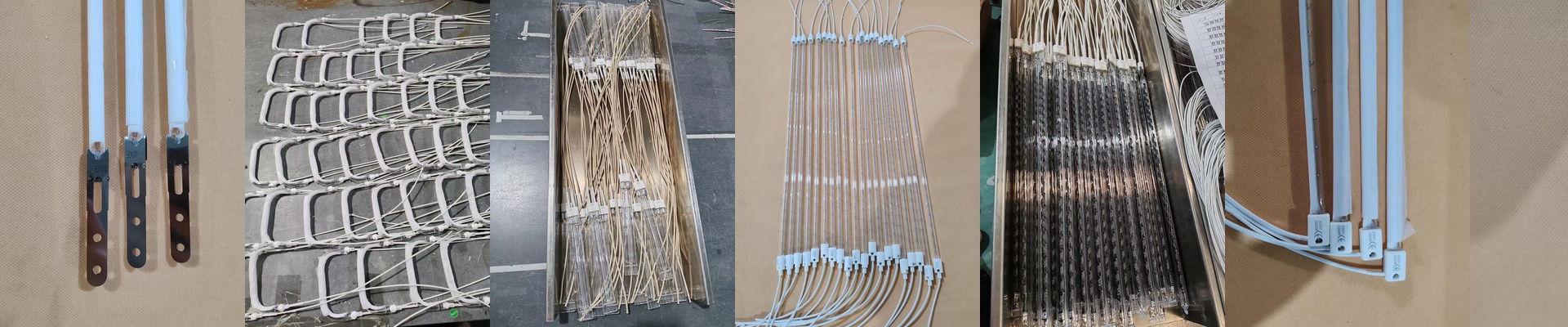
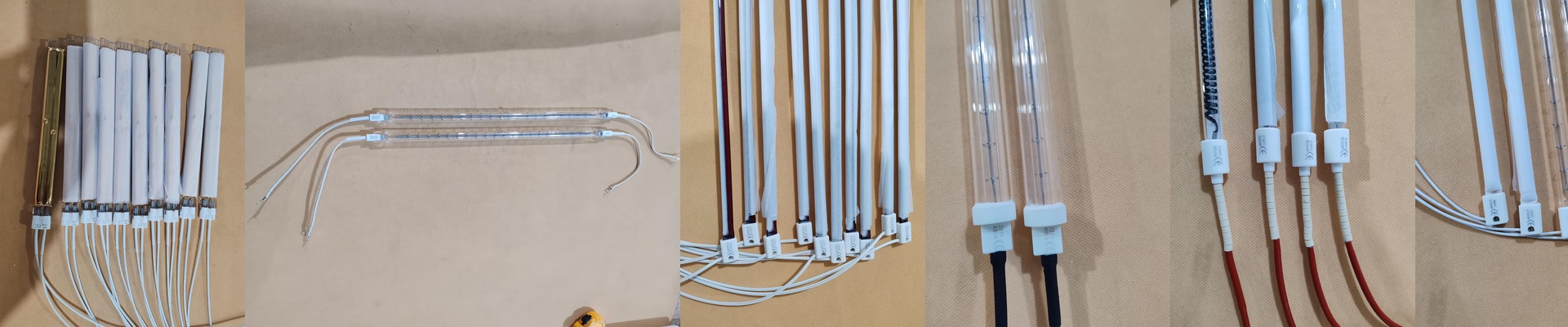
Let’s talk about those fancy ceramic infrared heaters
I’ve noticed a lot of plants are still shelling out a fortune for big-name brand infrared heaters in their PET blowing and extrusion lines. Honestly? You’re mostly paying for the logo. We’re seeing more people switch to domestic ceramic lamps that do the exact same job without the “luxury” price tag. The heat is what matters Here’s the thing about ceramic heaters: they don’t just blast the surface. If you’ve used quartz lamps, you know they can be a bit aggressive. Ceramic is different. It gives you a steady, diffused heat soak that gets right into the core of the plastic without scorching the outside. Just a heads-up: keep an eye on your wattage. If you swap a 500W element for an 800W one without tweaking your PID controllers, you’re going to overshoot your temperature. It’s a simple fix, but it’s a headache if you forget. Built for the grind These things are tough. We use high-alumina ceramic for the housing because industrial floors are brutal. It doesn’t care about chemical corrosion from off-gassing plastics, and it won’t crack the moment the temperature swings. Inside, the NiCr coils stay stable even after thousands of cycles. The best part? They’re drop-in replacements. They fit the same footprint as the expensive imports. You won’t have to spend your weekend rewiring control cabinets or messing with heater bands. You just pop them in and get back to work. The one catch Now, there is a trade-off. It’s just physics. Ceramic has more thermal mass than those short-wave halogen lamps. That means when you first flip the switch, it takes a bit longer to get up to speed. If your process needs “instant-on” heat, these aren’t for you. But if you’re running a 24/7 operation? That slow start doesn’t even matter. The cost savings far outweigh a few extra minutes of warm-up time. One last tip: check your terminal connections for oxidation before you install them. Nobody likes dealing with hot spots.