Stop Letting Blown IR Lamps Kill Your Production
If you’re in PET bottle blowing or vacuum forming, you know the deal: infrared lamps are basically consumables. They’re going to burn out. It’s just a matter of when. The problem is the balancing act. If you hoard a mountain of tubes, you’ve got a bunch of fragile glass taking up space and tying up your cash. But if you run too lean? One single popped tube can bring your entire line to a grinding halt. That’s a nightmare nobody wants. We figured out a better way. Instead of forcing you to gamble, we’ve tied our pricing to how your machines actually burn through lamps.
The Raw Physics of Heating
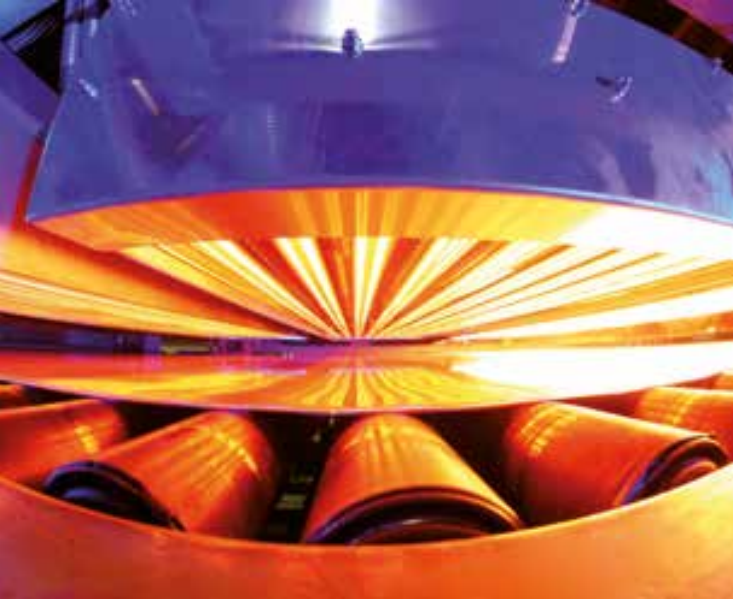
To get plastic to that sweet spot—the glass transition temperature—without scorching it, you need energy to move fast. That’s why we use shortwave quartz lamps. They dig deeper into the PET wall, making sure the core of the preform is soft and ready before the stretch blow happens. But here’s the catch: you have to match your voltage and wattage to the actual size of your oven. Sure, a high-wattage tube gives you the heat density you need for fast cycles. But that extra heat puts a lot of stress on your reflectors and cooling fans. If your cooling system can’t keep up with the wattage, your filaments are going to fail way sooner than they should.
Swapping Them Out
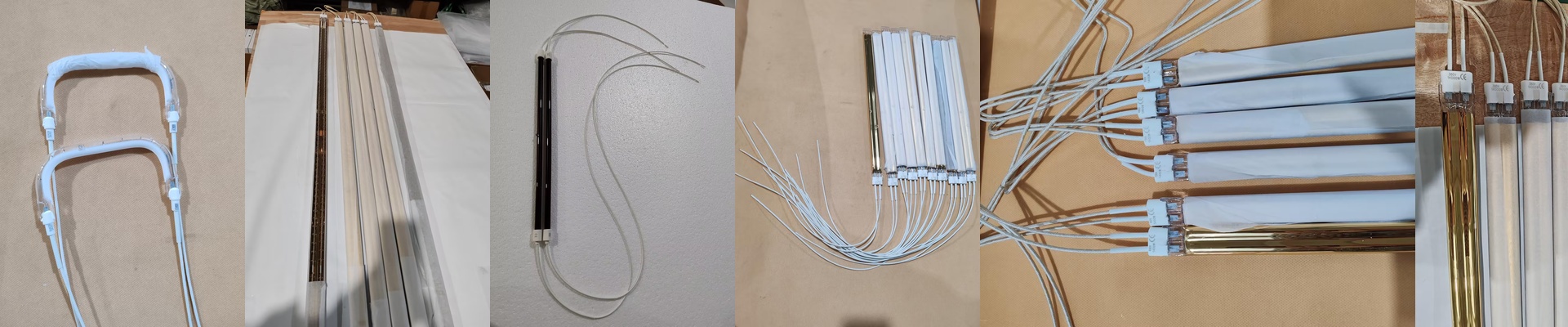
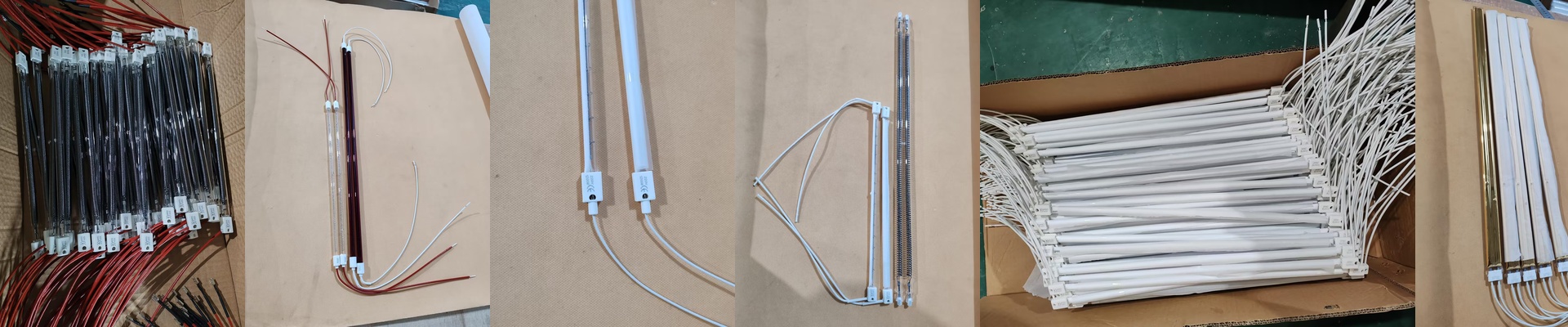
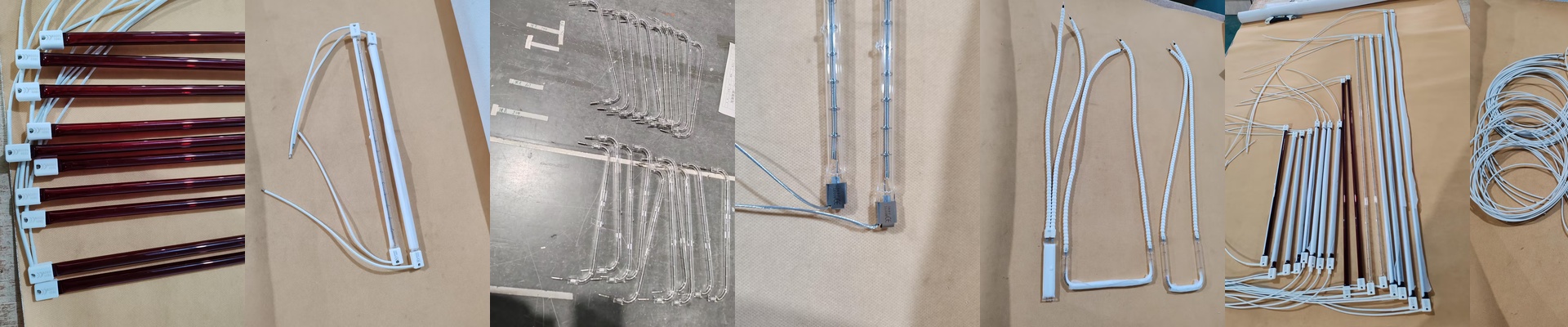
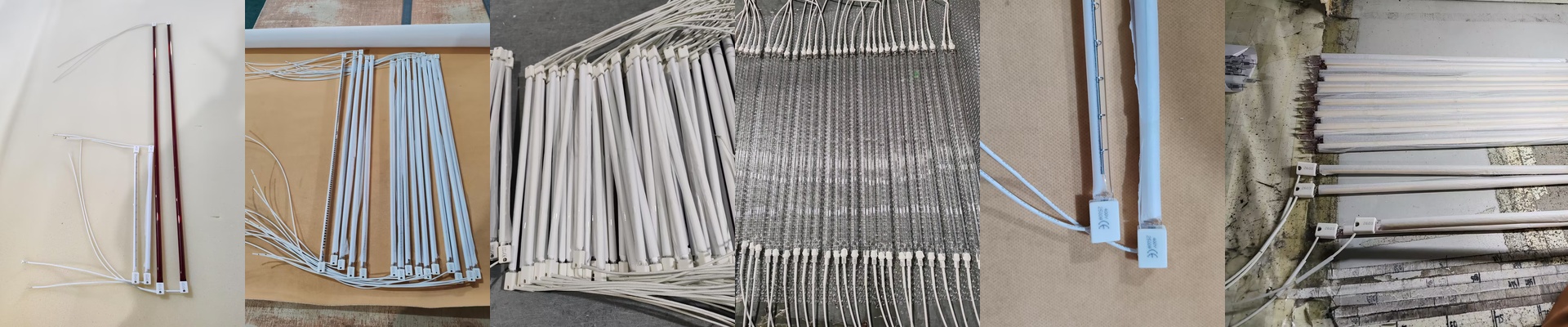
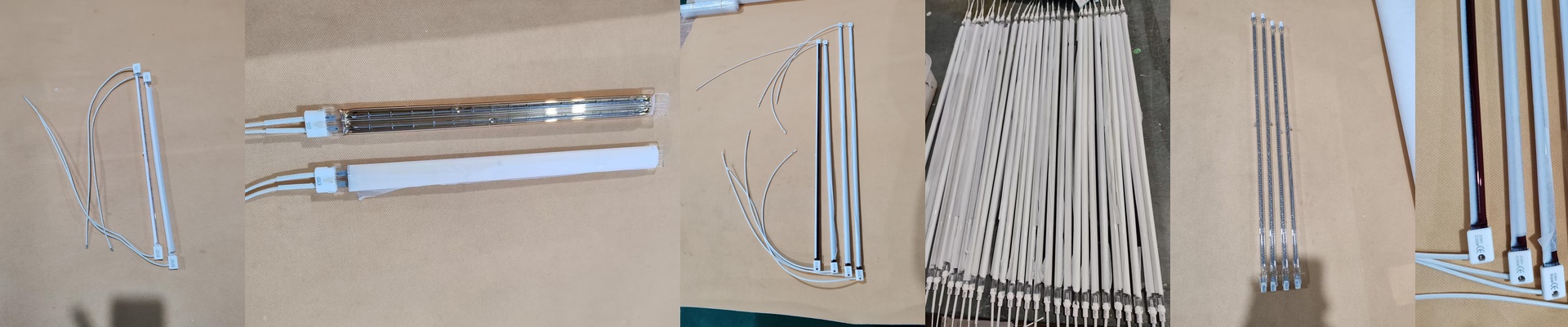
We keep things simple. We use standard R7s or SK15 connectors, so these are just drop-in replacements. No rewiring your panels, no headaches. The quartz glass is tough and can handle the shock of rapid heating and cooling. One quick tip, though:**wear gloves.**Even a little bit of skin oil on the glass can create hot spots, which leads to cracks. It’s a small detail, but it saves you a lot of wasted money.
Managing Your Stash
I see people buy 1,000 tubes at once just to snag a bulk discount. Honestly? Don’t do that. Quartz is fragile. Things break during warehouse moves, or the lamps degrade if your storage area gets damp. It’s a risky way to save a few bucks. Our tiered pricing lets you scale your orders based on your actual failure rate. You get the bulk price point, but you don’t have to store a warehouse full of glass. You keep your overhead low and your shelves stocked with fresh, full-output lamps. Simple.