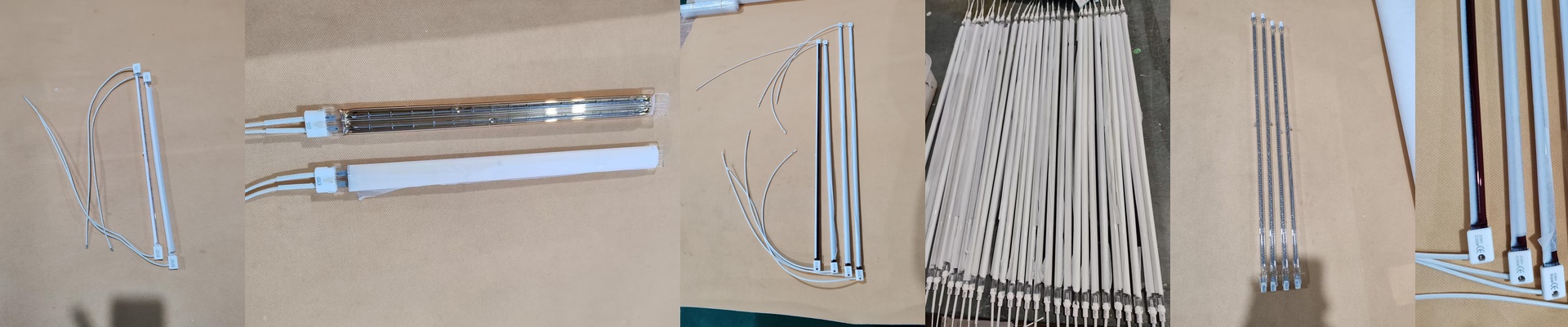
Why Some Quartz Lamps Just Last Longer
Let’s be honest: when you’re looking for a budget-friendly way to heat plastic, it’s easy to worry you’re buying “cheap” parts. But in the world of PET blowing or thermoforming, we all know the real cost isn’t the lamp itself—it’s the nightmare of a machine going down in the middle of a run. That’s why we stopped obsessing over the price tag and started focusing on the stuff that actually matters: the quartz and the filament.
The secret is in the glass
Ever wonder why some budget lamps just pop? It usually comes down to impurities in the quartz. When the glass isn’t pure, it starts to soften or “devitrify” under high heat. It basically loses its strength and breaks. We use high-purity fused quartz. It stays tough and holds its shape, even when things get incredibly hot. Then there’s the filament. This is where the real battle is won. We use the same tungsten alloy as the big-name, top-tier brands. Why? Because it stops the filament from thinning out too fast. If the material is right, your heat output stays steady for thousands of cycles instead of dipping and dying.
A quick heads-up on heat
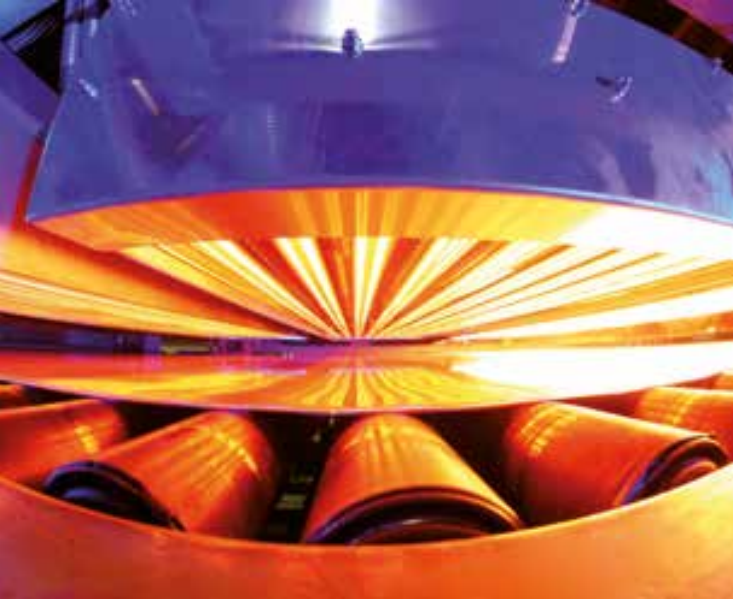
Since these lamps use the same materials as the premium brands, you get the same punch. The infrared wavelength and the way the heat penetrates the plastic are identical. But here is the catch. These filaments run hot—really hot. If your reflectors are caked in dust or your airflow is blocked, that heat has nowhere to go but straight into the socket. It doesn’t matter how good the quartz is; if your cooling fans aren’t up to the task, you’re going to shorten the life of the lamp. Keep them clean and keep the air moving.
Just plug and play
We didn’t want you to have to rebuild your racks just to try a new lamp. We kept the dimensions and electrical specs tight, so these are simple drop-in replacements. You just wire them up and get back to work. No modifications, no fuss—just a steady heat source that doesn’t force you to stop production every few weeks for a replacement.