Can you actually save 20% on energy just by swapping out your oven’s IR elements?
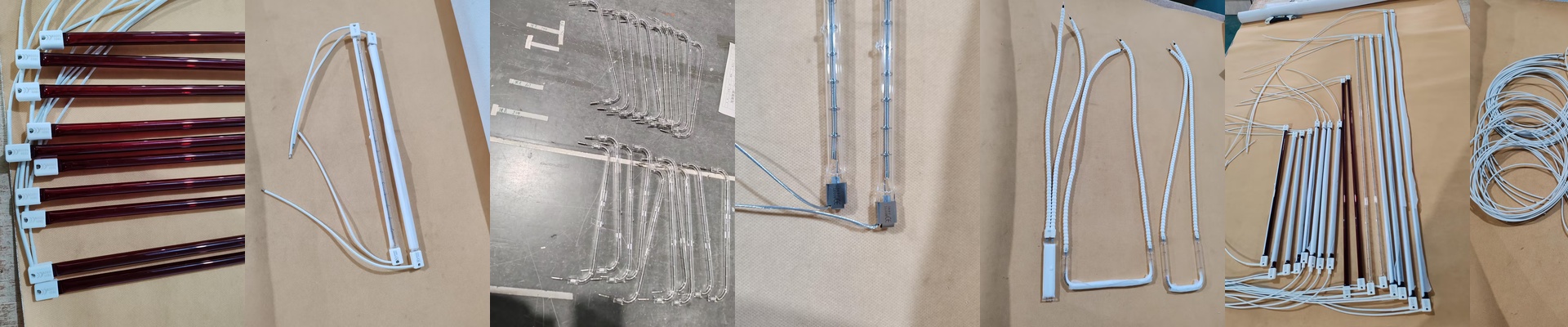
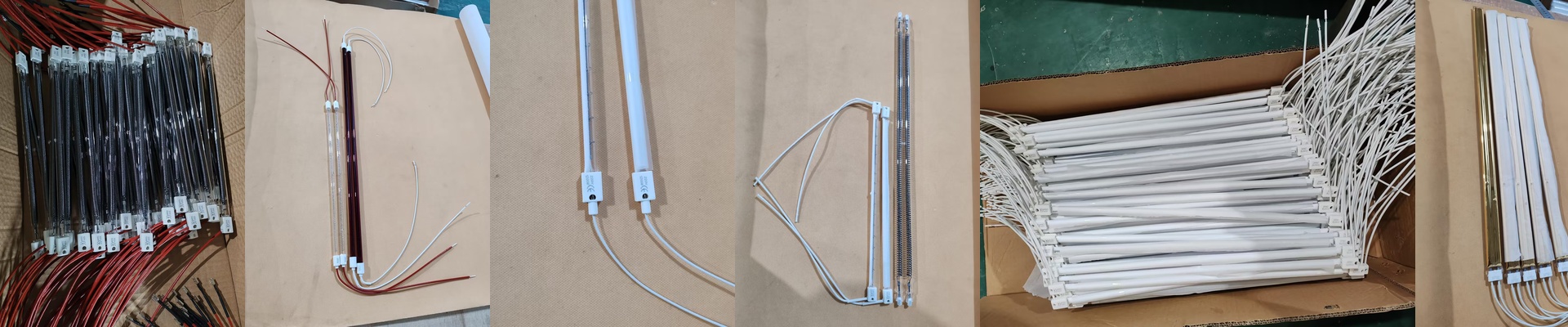
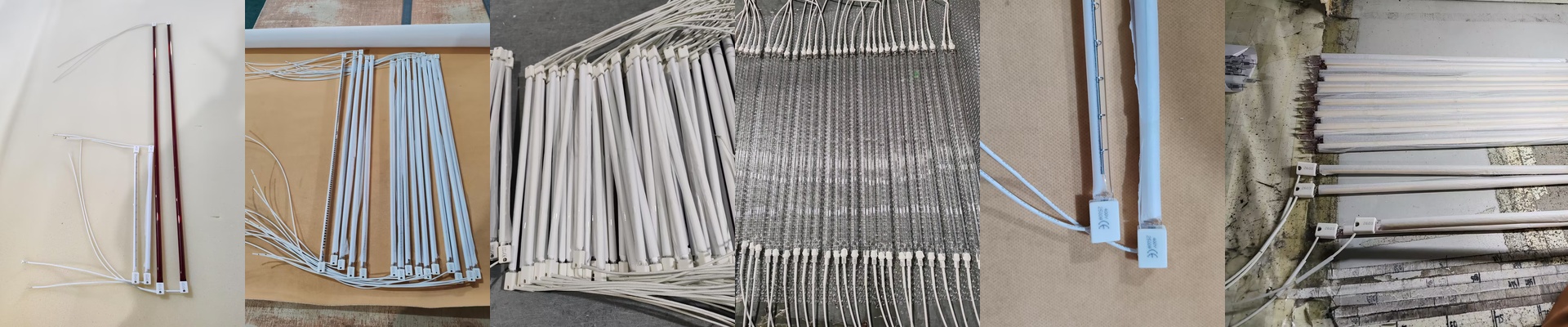
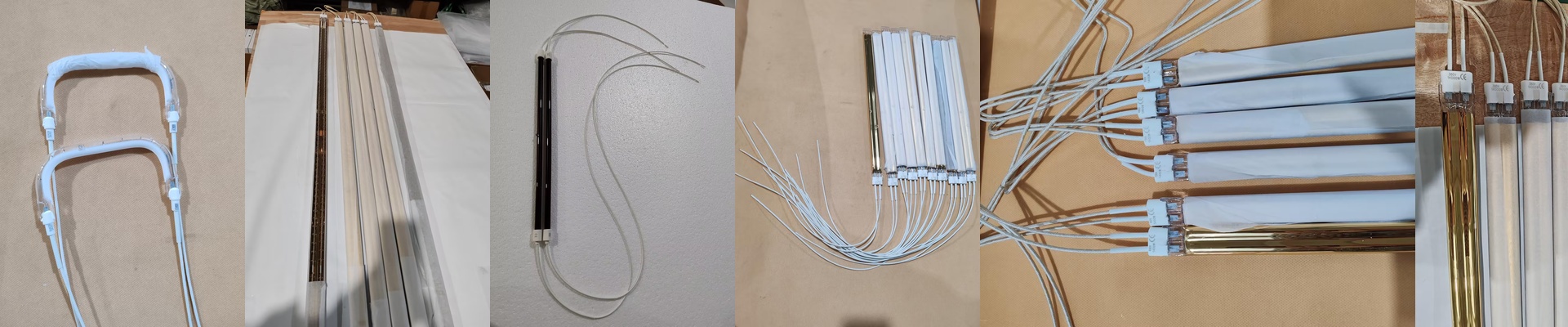
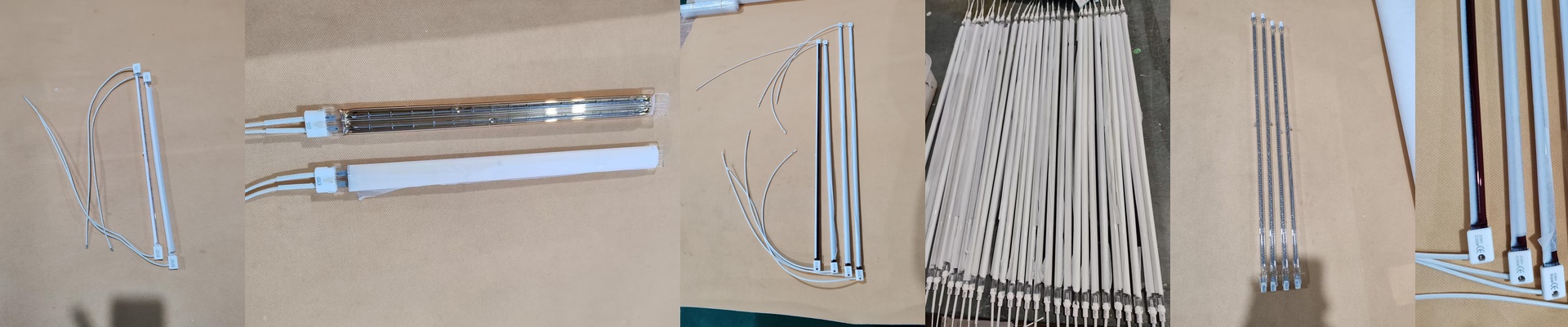
Let’s be honest: most plastic processing lines are running on heating tunnels that have seen better days. They leak heat, they guzzle power, and they’re basically expensive space heaters for your warehouse. You might be wondering if you can just pop in some new infrared (IR) elements and actually hit that 20% energy saving mark—without having to rip out the whole oven and start over. The short answer? Yes. But there’s a catch. How it actually works Old ovens usually rely on basic resistive heaters or those ancient IR lamps. The problem is they just blast heat everywhere—the air, the walls, the floor. It’s wasteful. Modern short-wave or medium-wave IR elements are different. Instead of trying to heat the entire room, they aim the heat directly at the plastic. It’s like switching from a giant space heater to a laser. You don’t have to wait forever for the tunnel to warm up, and you aren’t paying to heat the air around your product. The “Gotchas” Now, it’s not just a “plug and play” miracle. When you move to high-density IR elements, you’re pushing a lot more heat, very fast. If you’re still using old PID controllers, you’re going to run into trouble. You’ll likely see the temperature overshoot the mark, which is a nightmare for quality control. To make this work, you’ll need fast-acting Solid State Relays (SSRs). They handle the rapid switching needed to keep your temperatures steady. Without them, you’re just trading an energy problem for a quality problem. Is it worth the money? A 20% drop in your power bill is totally doable, but it depends on where you’re starting from. If your oven insulation is basically non-existent, no fancy lamp is going to save you. But for most of us, upgrading the elements is the cheapest way to shrink your carbon footprint. Plus, because you’re cutting down the kWh used per kilogram of plastic, this often qualifies for green finance credits. It’s one of those rare wins where the “green” choice is also the one that saves you cash. The real secret, though, is the wavelength. If the IR wavelength doesn’t match the specific resin you’re using, you’re just heating the oven walls again. Get the wavelength right for your material, wire it up, and watch the electricity bill drop. Simple as that.