Stop Overpaying for Your Plastic Heating Lamps
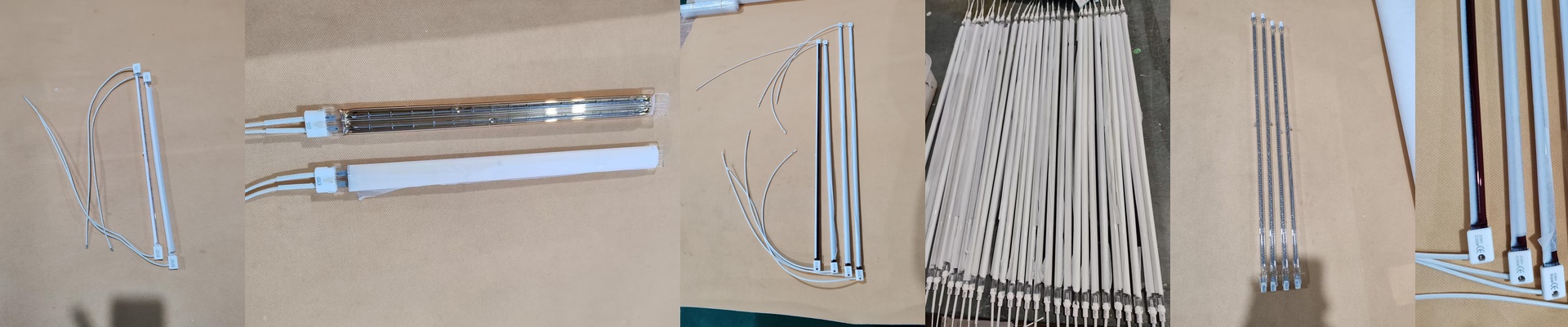
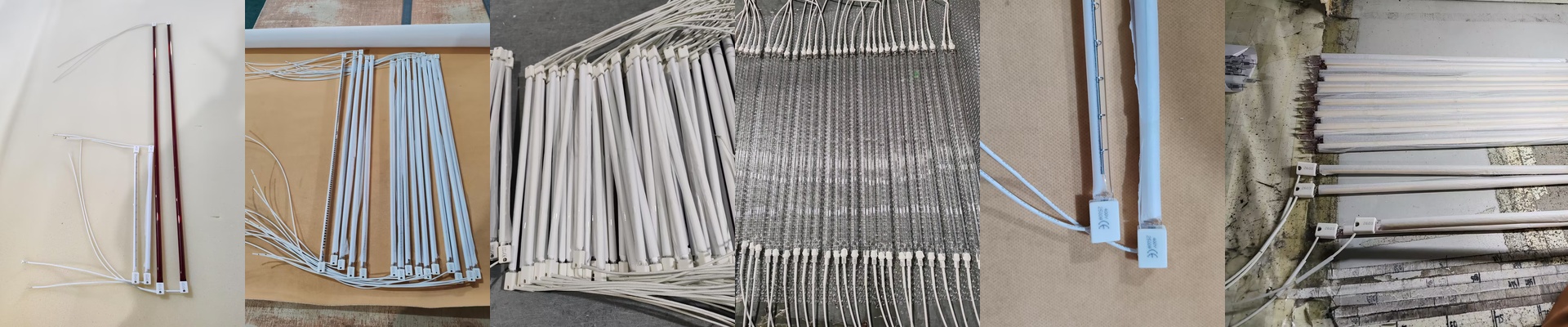
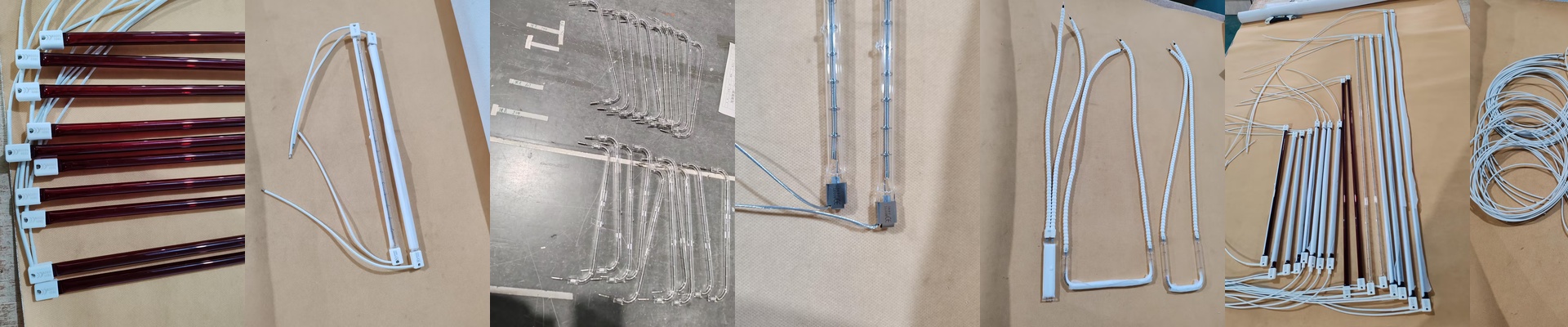
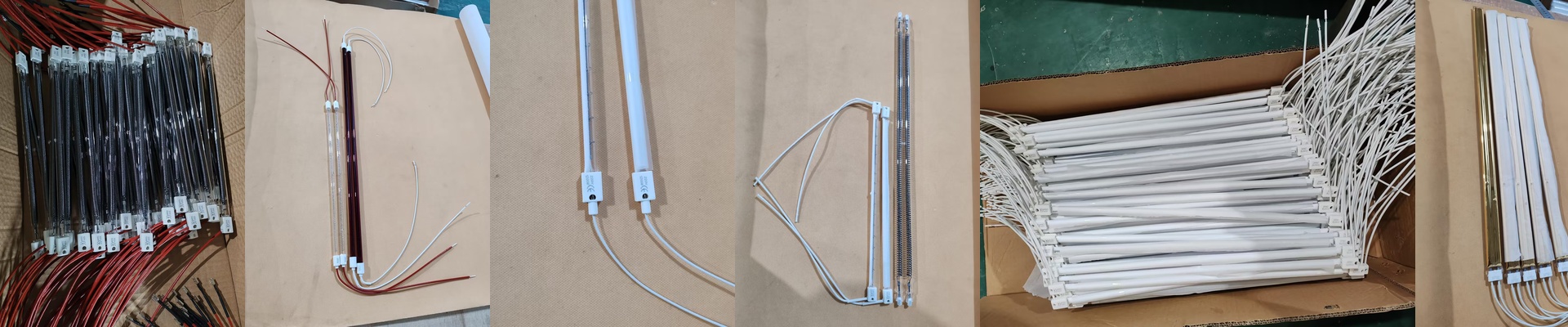
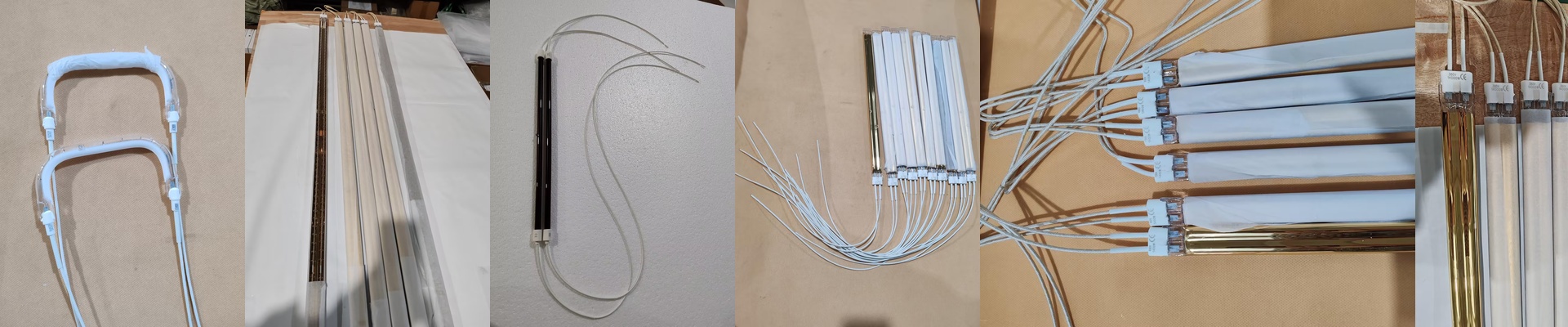
Let’s be honest: a lot of big plastic plants are just throwing money away. I see it all the time. A facility specs out these fancy, overpriced lamps from Europe or the US, thinking they’re getting the best. Then, the 24/7 grind starts. Tubes burn out, the maintenance budget spirals, and suddenly those “premium” brands feel like a huge mistake. Here’s the secret: switching to high-grade domestic infrared lamps isn’t just about saving a few bucks on the unit price. It’s about actually matching the heat to what your machine needs. Getting the heat right When you’re dealing with quartz lamps, it all comes down to voltage and length. That’s what controls your heat density. Whether you’re pre-heating a PET preform or trying to cure a thick slab of polymer, you can tune that flux anywhere from 250W to 2000W. Plus, if you go with a higher voltage setup, you pull less current. That means your wiring doesn’t get toasted inside those cramped enclosures. The nitty-gritty on the glass We use heavy-wall quartz. Why? Because when things get scorching, you don’t want the filament sagging. We also fill them with halogen gas. It stops the quartz from turning dark over time, which keeps the heat flowing exactly where it should. Depending on your goal, you’ve got options. If you need to get deep into the plastic, go with a coated tube for long-wave heat. If you just need the surface hot—and fast—short-wave is your best bet. And don’t worry about the install. We use R7s and SK15 connectors. They just slide right in. No need to rip out your racks or spend a weekend rewiring everything. The one thing people forget High-output lamps put out a massive amount of energy. But that heat doesn’t just hit the plastic; a lot of it soaks into the machine frame. If you decide to bump up the wattage to speed up your cycle times, do yourself a favor:check your cooling fans. If your airflow is weak, you’re going to fry your sensors and kill your lamps way faster than they should die. Good ventilation is the only way to make these things last.