Stop Overpaying for Your Plastic Plant’s Heat
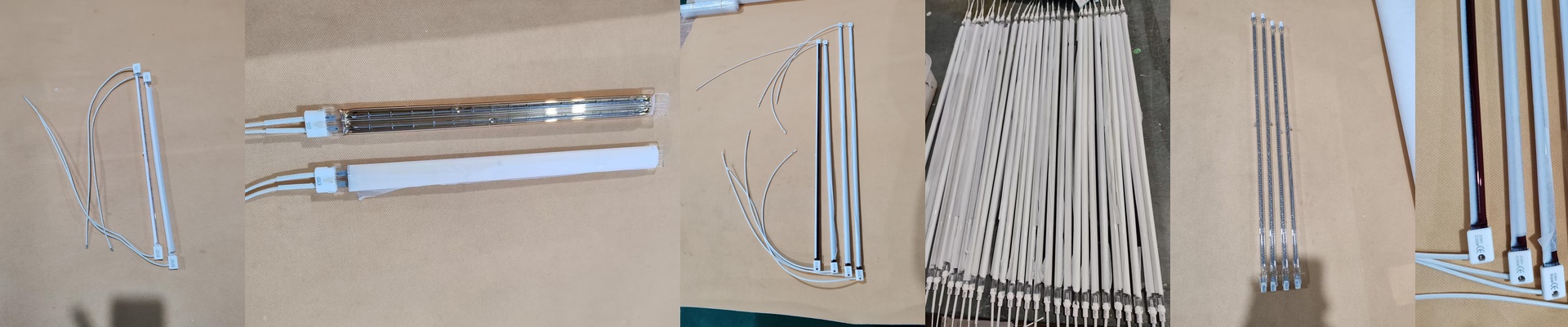
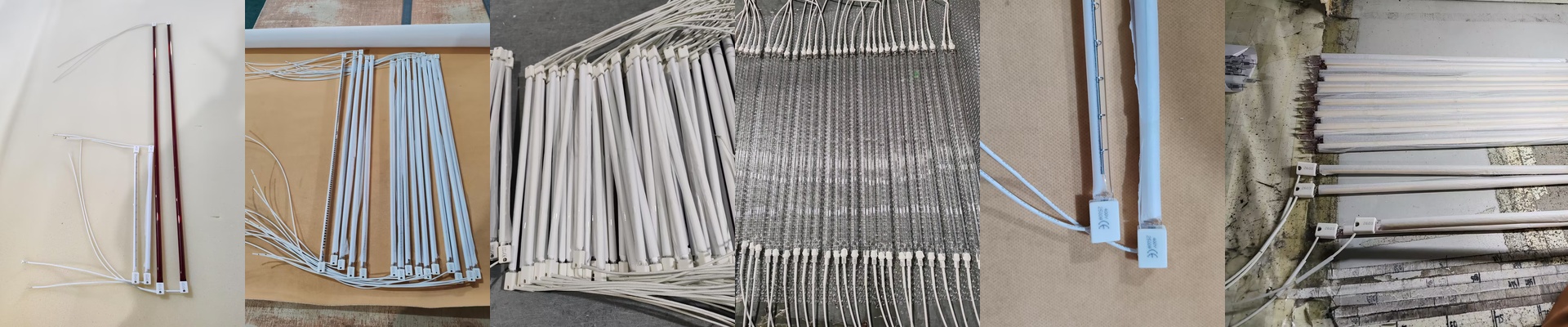
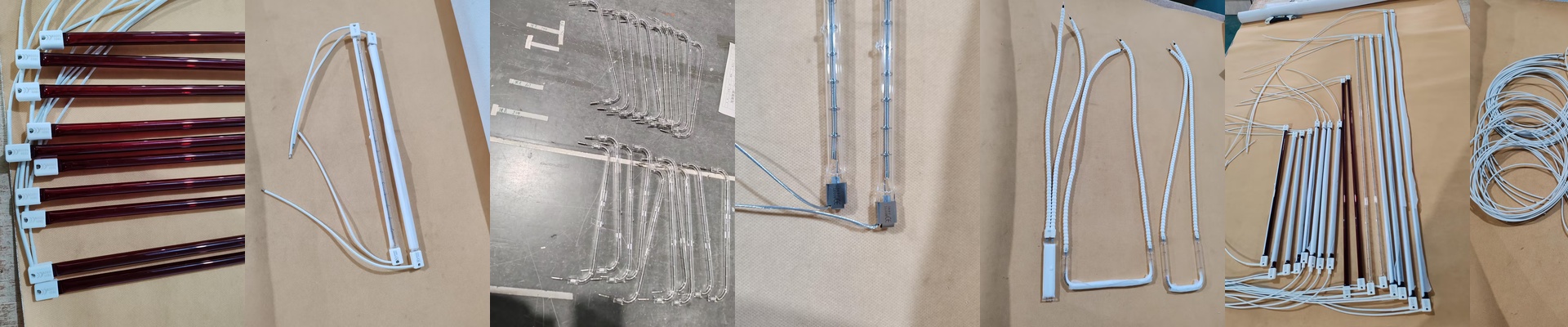
Let’s be honest: a lot of big plastic plants are basically burning money. I see it all the time. A facility is dropping millions on maintenance and overpriced imported IR lamps just because they’ve used the same legacy brand for twenty years. It’s a habit, not a strategy. Switching to high-spec domestic lamps isn’t just about saving a few bucks on the invoice. It’s about actually matching the physics of the lamp to the specific polymer you’re working with.
The Balance of Power
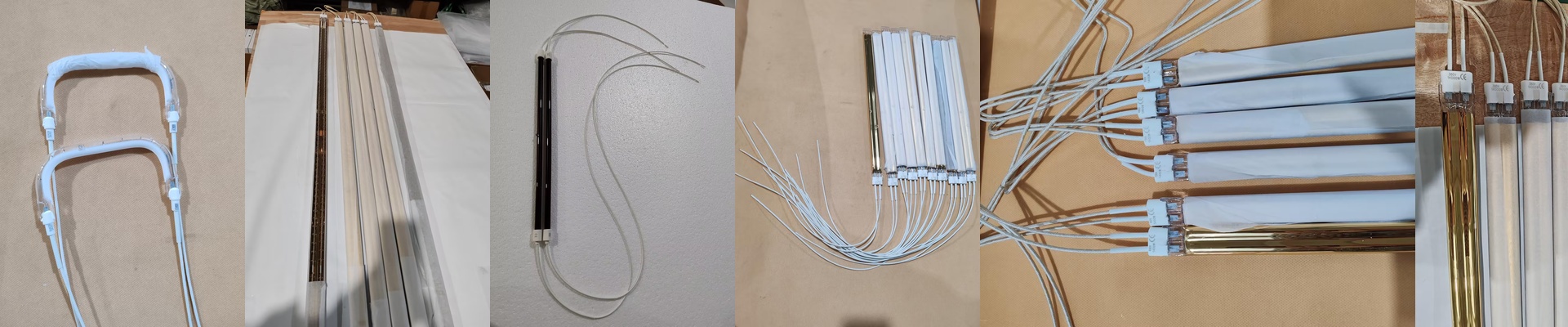
When we’re picking a lamp for high-volume heating, it all comes down to the voltage-to-wattage ratio. That’s what actually controls your cycle time. If you use high-wattage shortwave lamps, you get that immediate blast of heat. It hits the glass transition temperature for PET or HDPE fast, without turning your entire machine frame into an oven. You get a tight, focused heat footprint. But be careful. If you cram too much wattage into a tube that’s too short?**Pop.**You’ll burn out the filament way too soon. It’s a balancing act.
Built for the Real World
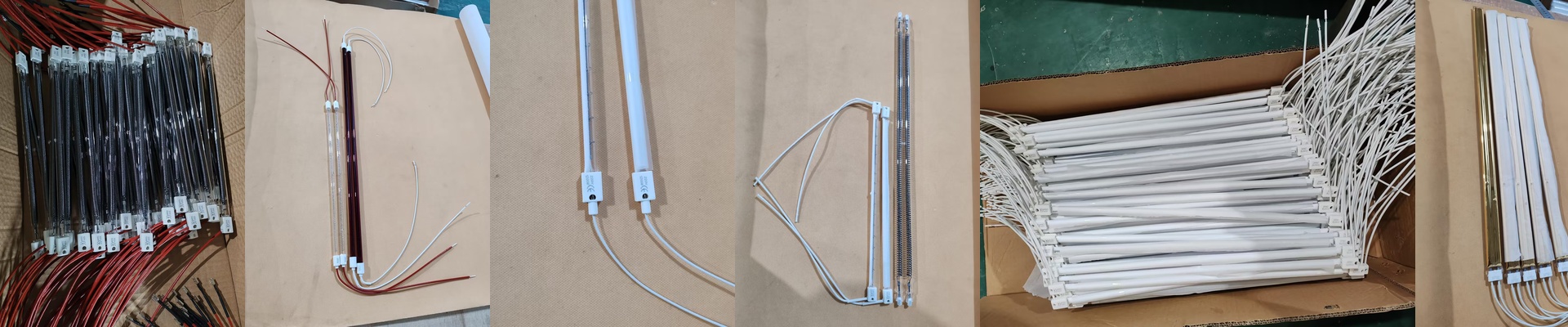
Factories are dusty. They’re loud. They’re rough. That’s why we use heavy-wall quartz glass. It can take a beating. We also lean on the halogen cycle, which stops tungsten from gunking up the inside of the tube. This keeps your light output steady for thousands of hours instead of fading away. As for the setup, we use standard R7s or Sk15 bases. They’re simple drop-in replacements. You don’t have to rip out your wiring or swap every socket just to try a different brand. You just plug them in and get back to work.
The One Catch: Don’t Forget the Air
Here’s the thing: higher efficiency is great because more heat goes into the plastic and less leaks into the room. But high-density lamps create intense, localized heat. If you crank up the wattage to speed up your production line, you’ve got to check your cooling fans and heat sinks. Can they handle the extra load? If you ignore the cooling side, you’re looking at melted sockets and electrical failures. And nobody wants to deal with that on a Tuesday afternoon.