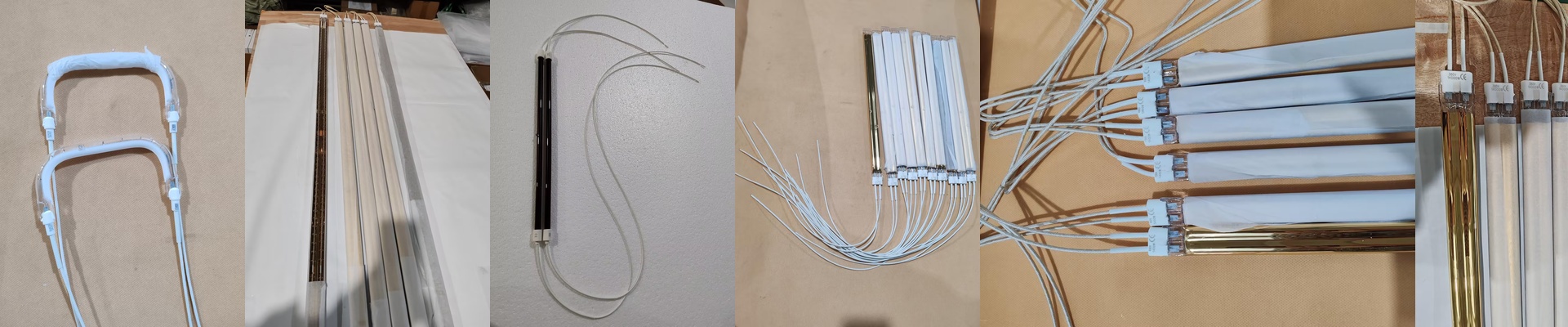
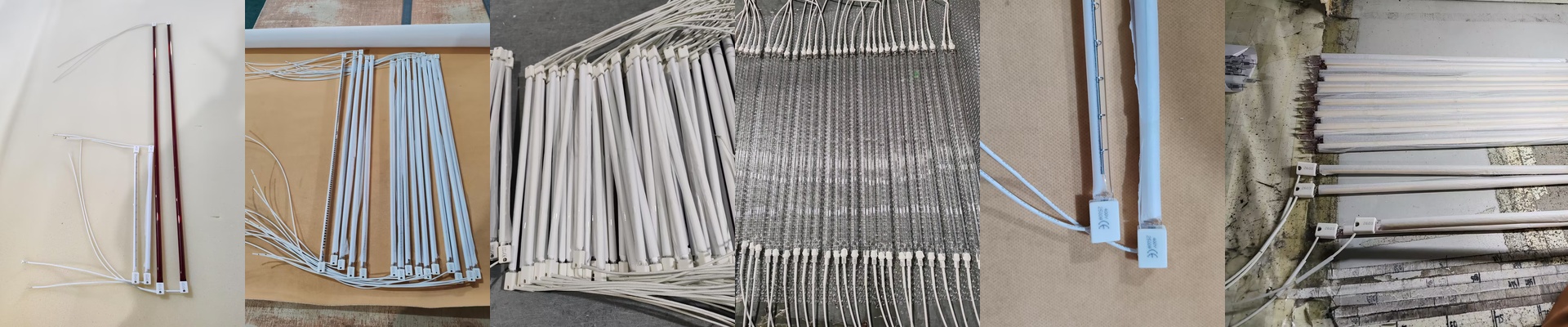
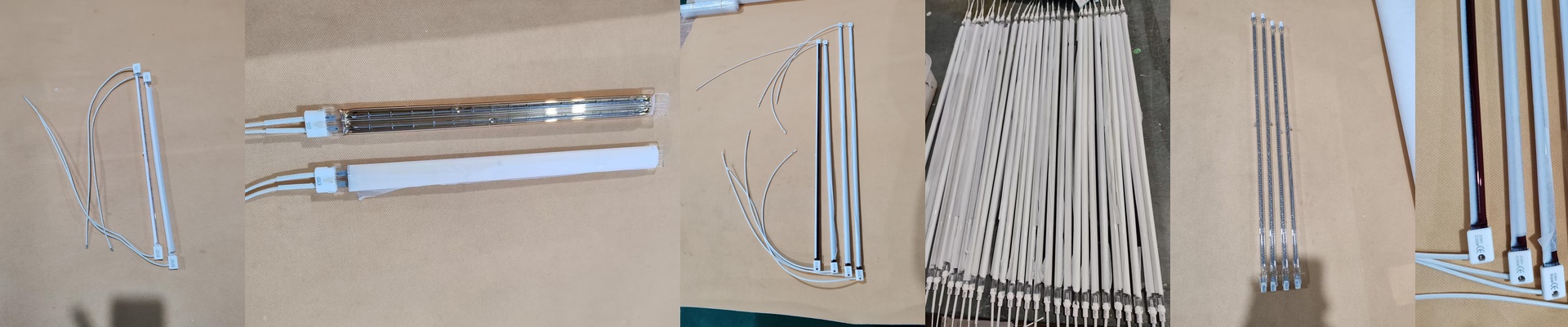
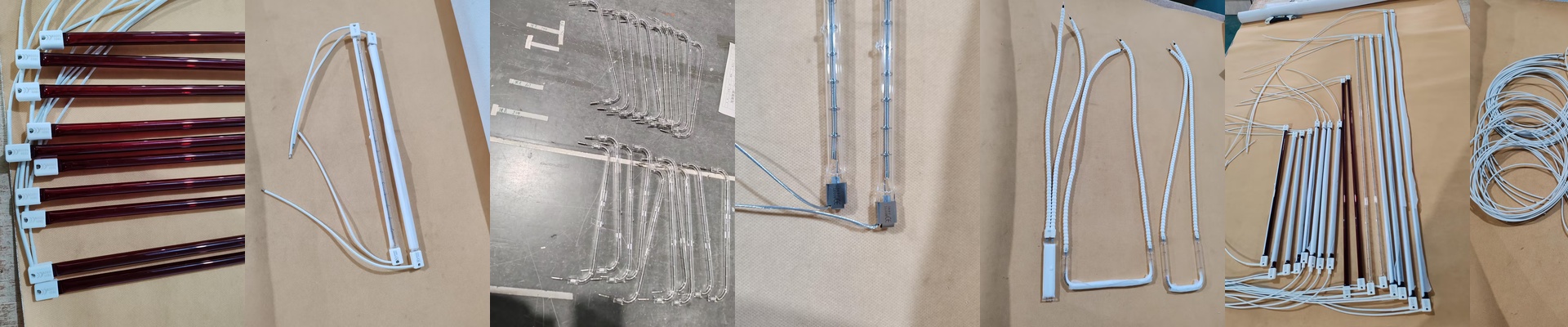
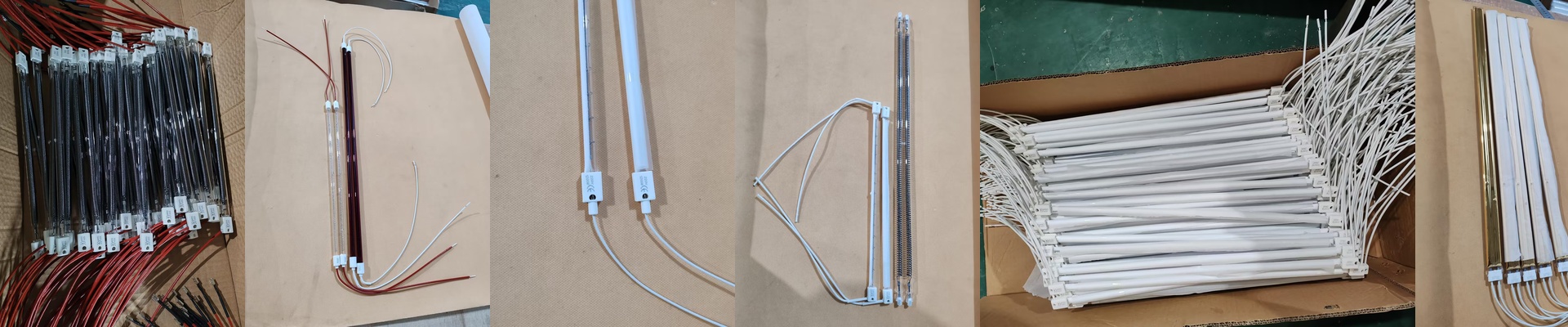
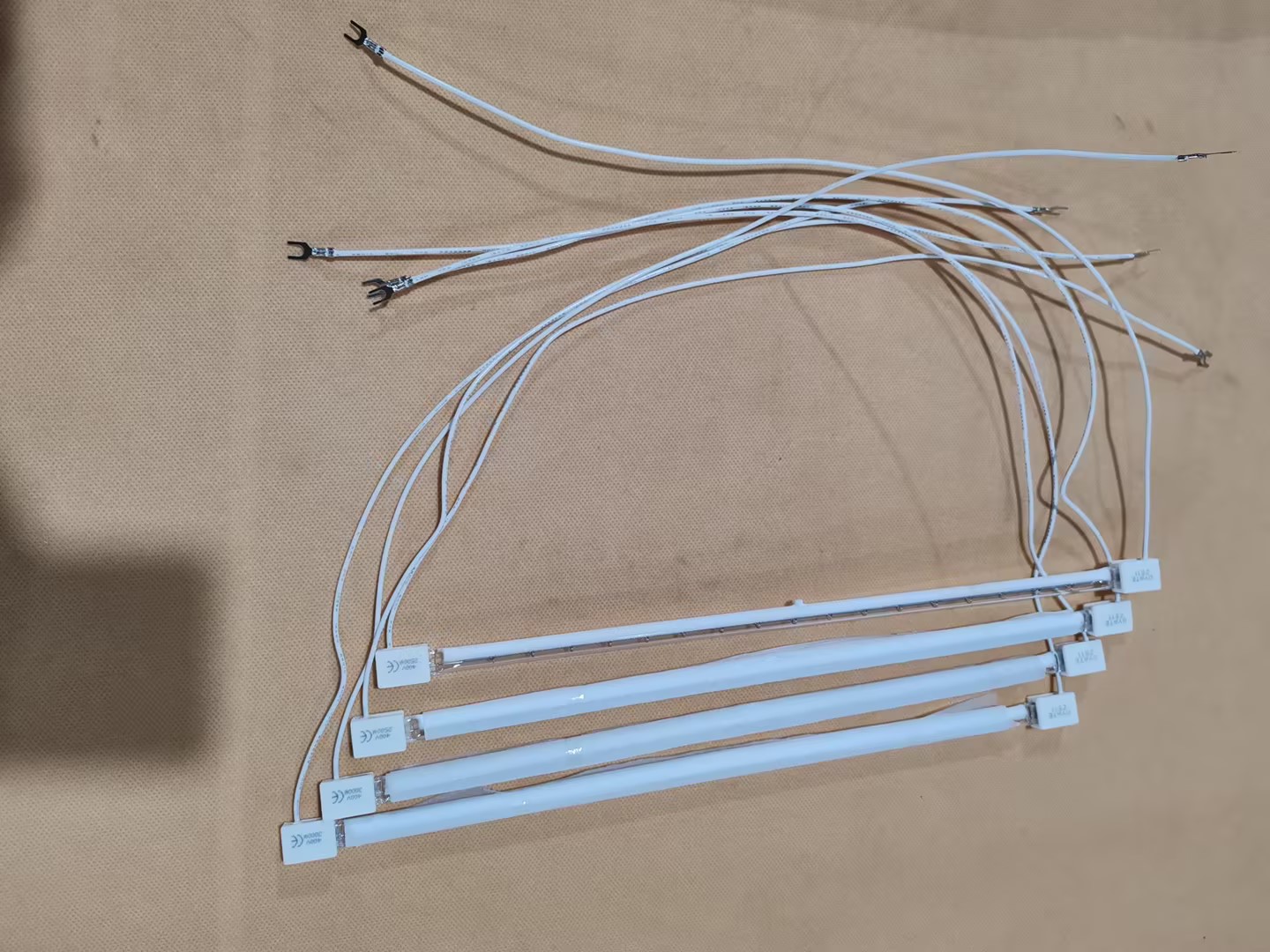
Let’s talk about the 300W Halogen IR Lamp
When you need to hit a very specific spot with a lot of heat, fast, these 300W lamps are your best bet. Inside, there’s a tungsten filament tucked into a quartz tube. We use a halogen gas cycle in there, which is basically a fancy way of saying the filament doesn’t just evaporate and vanish. It keeps the glass from turning black and ensures the heat stays consistent. You won’t wake up one morning to find your output has dropped for no reason. Getting the power right At 300W, you’ve got enough punch to hit your target temperature without accidentally melting your workpiece. We’ve dialed in the wattage-to-length ratio so you don’t get those annoying hot spots. One quick tip: stick to the voltage specs. If you try to push more juice through these than they’re rated for, you’ll fry the filament. It’s that simple. The build We use quartz glass because it can take the heat and lets the infrared radiation pass right through. As for the connectors, we usually go with R7s or SK15. Why? Because they just work. They slide right into most existing machinery without a fight. Just make sure they’re snug. A loose connection is a nightmare—you’ll get arcing, and before you know it, your sockets are melting. Real-world use (and the pitfalls) You’ll see these things everywhere—PET blowing, shrink wrapping, curing lines. They ramp up almost instantly, which is a lifesaver when you’re running a high-speed conveyor. But here’s the thing: they gethot. Fast. You can’t just slap these in and walk away. You need to get your reflectors and cooling fans sorted. If you don’t have enough airflow around the ends of the lamp, the heat will eat right through the connector housing. And for the love of everything,keep the glass clean. If you leave a fingerprint or a smudge of oil on the quartz, that spot will heat up differently than the rest of the tube. Under that kind of thermal stress, the glass will just crack. Keep it spotless, and these things will treat you right.