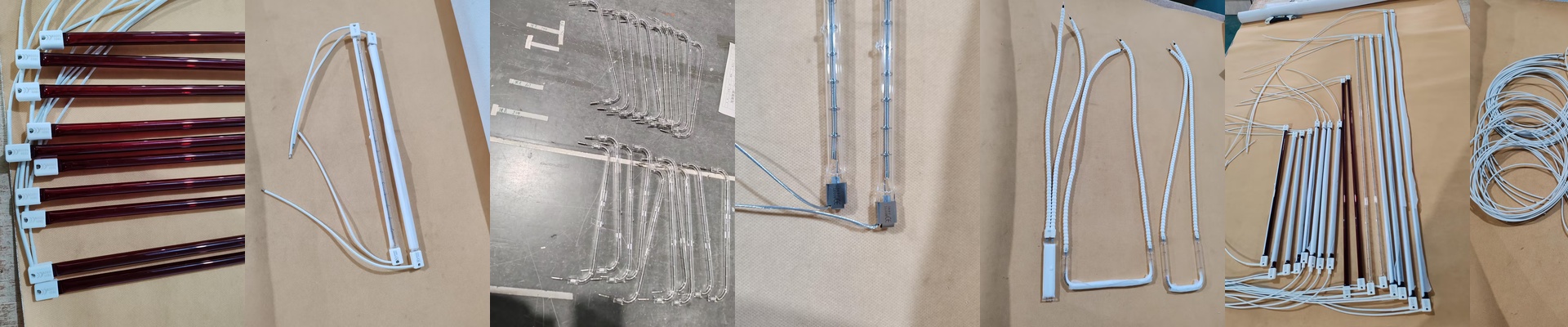
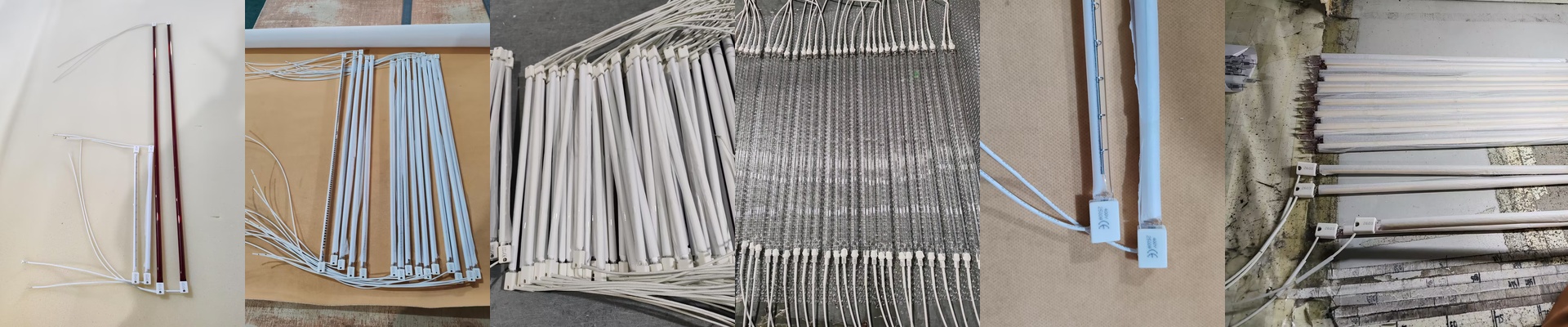
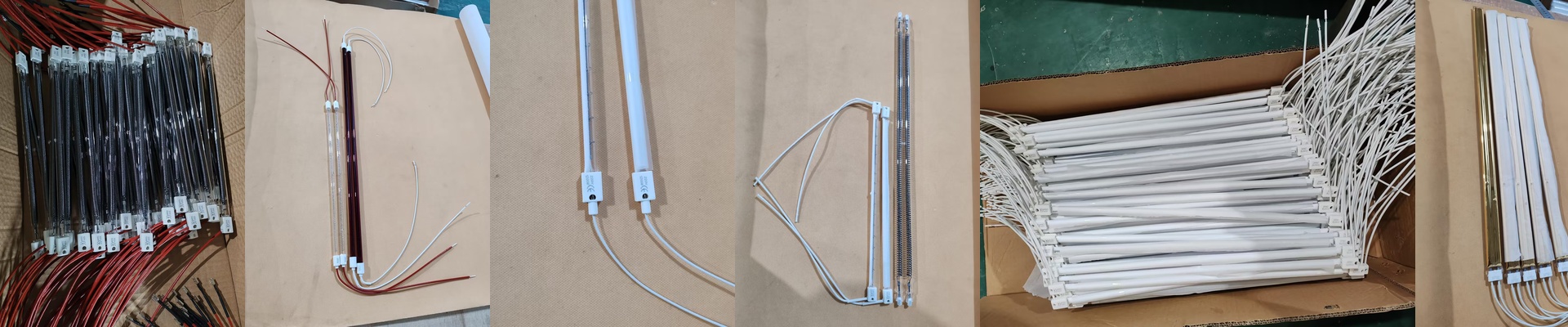
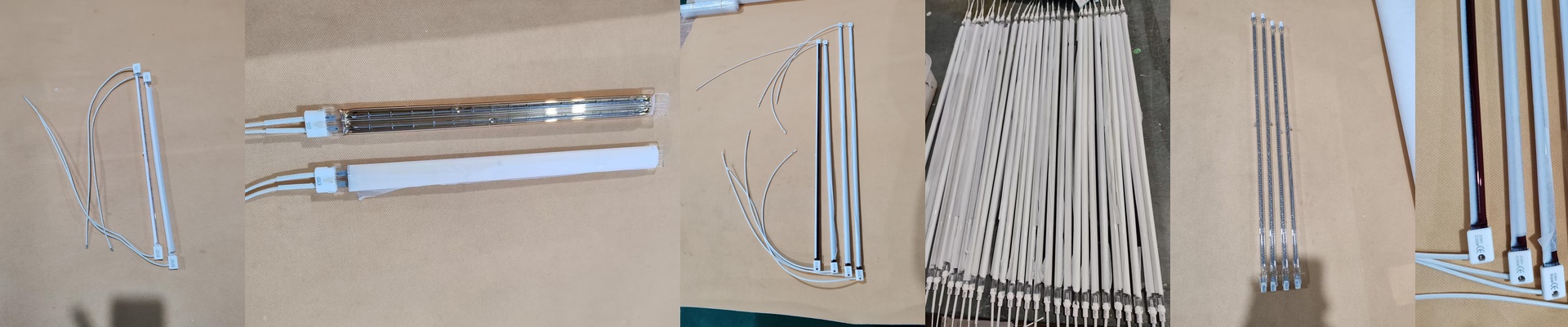
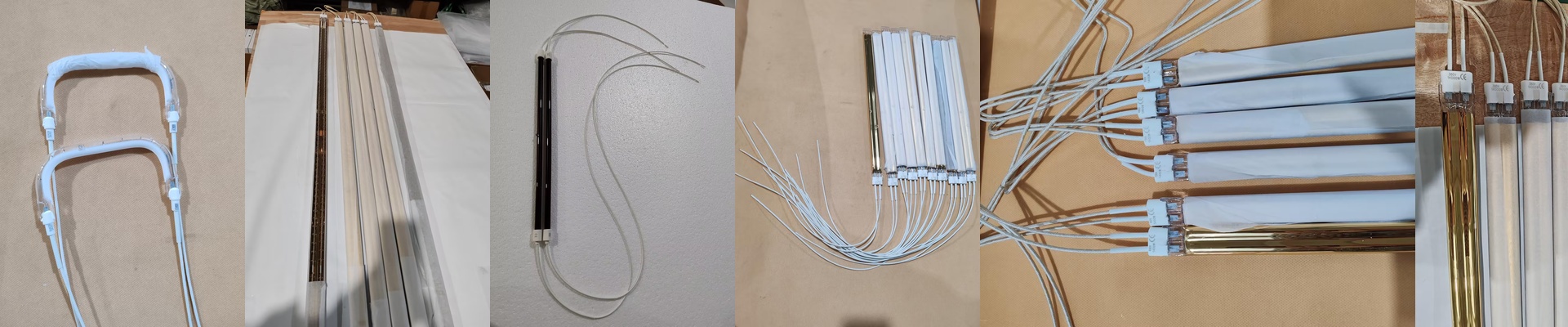
Let’s Talk About Short-Wave Quartz Heaters
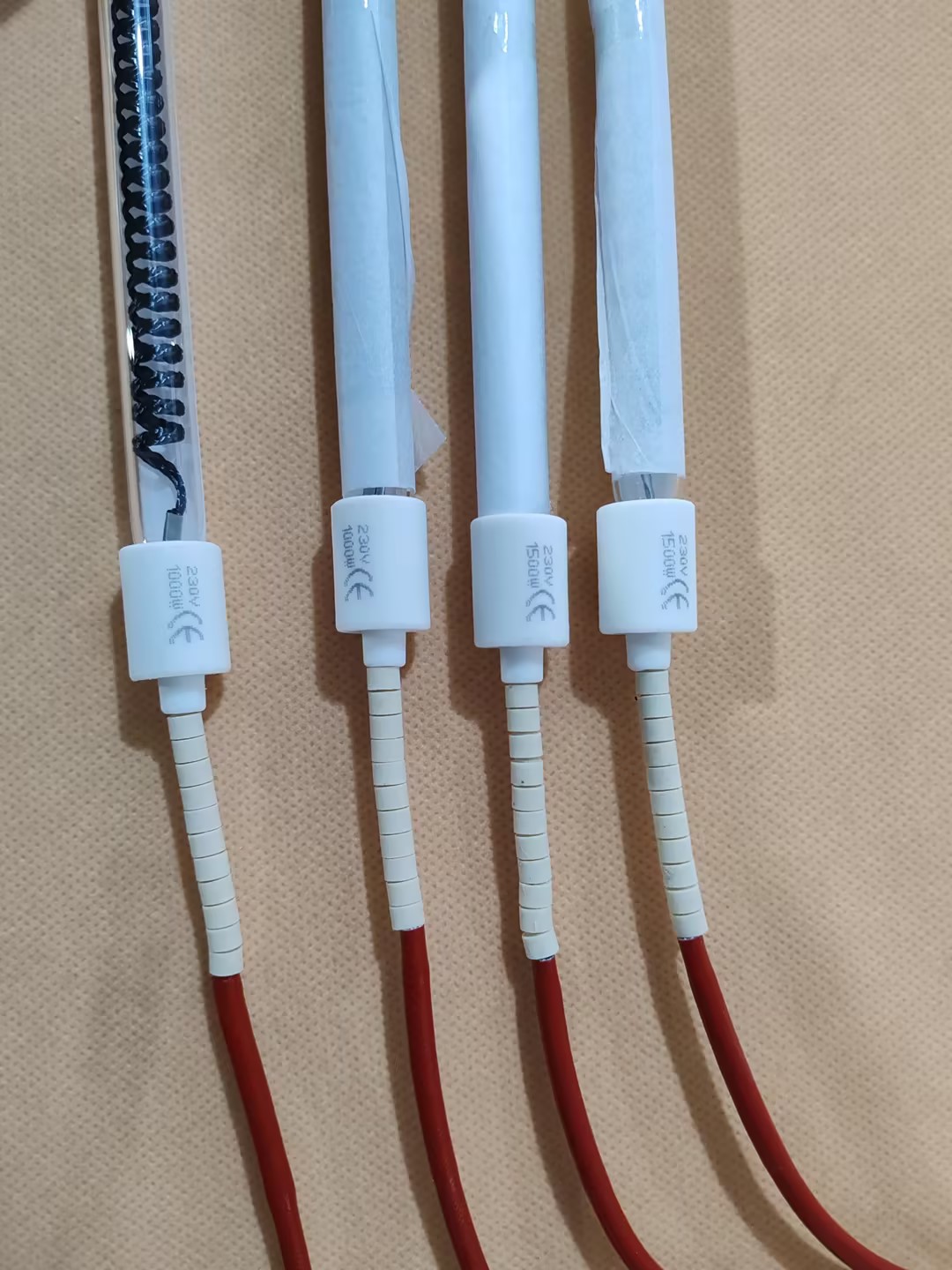
Ever wonder how those halogen lamps actually work? At its simplest, we’re just pushing current through a tungsten filament inside a quartz tube. But here’s the trick: we pack that tube with a halogen gas mix. Without it, the filament would just evaporate and burn out way too fast. The gas lets us crank the heat much higher than your average lightbulb, which pushes the energy into those shorter, more powerful wavelengths.
The Power Side of Things
It really comes down to how much wattage you can cram into a specific length. If you put a high-wattage load into a short tube, you get an incredible amount of heat in one spot. If you’re running a 400V system, you’ll notice it hits temperature almost instantly. Just make sure your power supply is steady. If it flickers or spikes, you’re going to blow the lamp. We usually stick with R7s or Sk15 connectors because quartz expands and shrinks as it heats up, and these connectors can handle that movement without losing the connection.
Materials and a Warning About Fingerprints
We use quartz for the envelope because it doesn’t block the radiation. Some of our lamps even have a special coating to push the heat forward or filter out certain wavelengths. It’s a smart way to make sure you’re heating your product, not the frame of your machine. One big tip: keep the quartz clean. Seriously. If you touch the glass, the oils from your skin create tiny hot spots. When the lamp cycles, those spots can cause the glass to crack. Not a great way to start your morning.
Putting Them to Work
These are the go-to for things like PET blowing and rapid curing. The best part? They heat the material directly. You don’t have to wait for the air in the room to warm up first. You can wire them for “instant-on,” which means you aren’t wasting energy while the machine is just idling. But keep in mind—these things get scorching. If a cooling fan dies or your reflectors get bumped out of alignment, you’ll warp your housing or fry your wiring in no time. Just keep an eye on your heat load so you don’t put too much stress on those quartz seals.