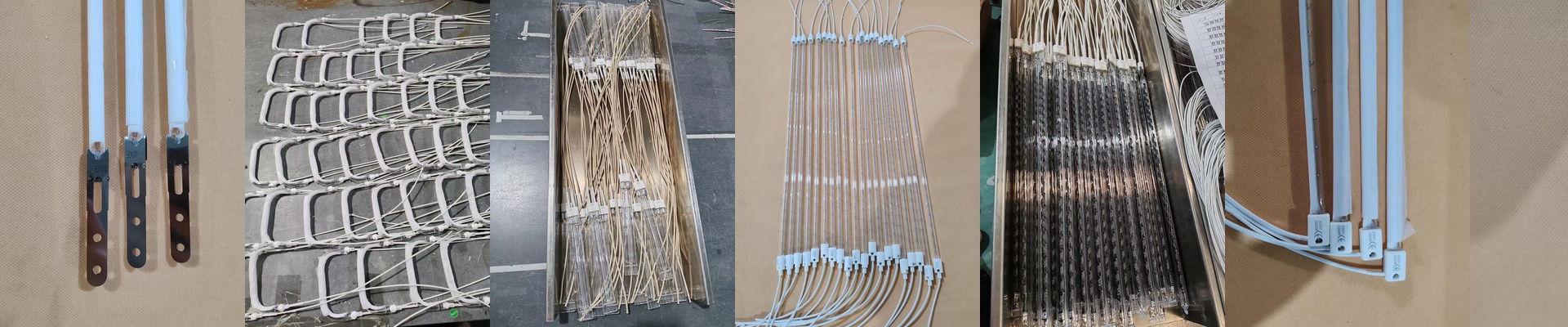
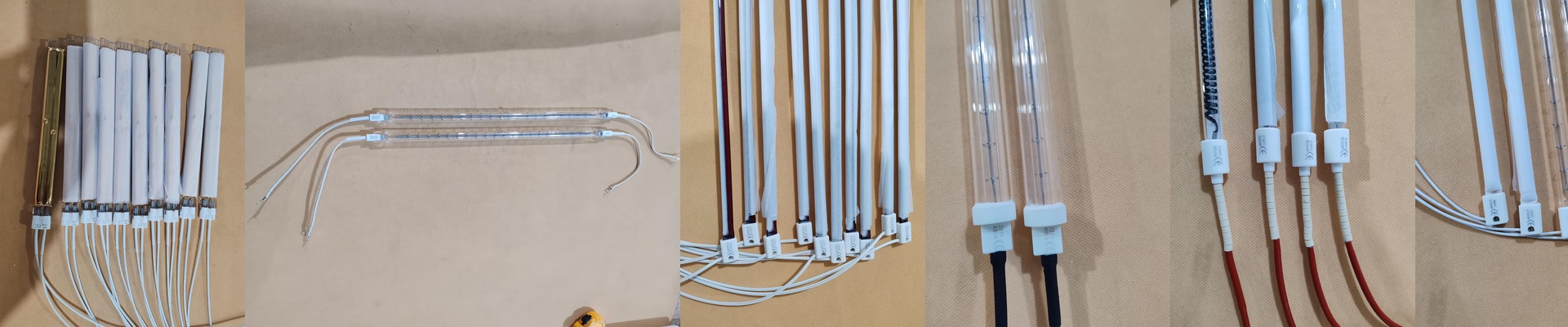
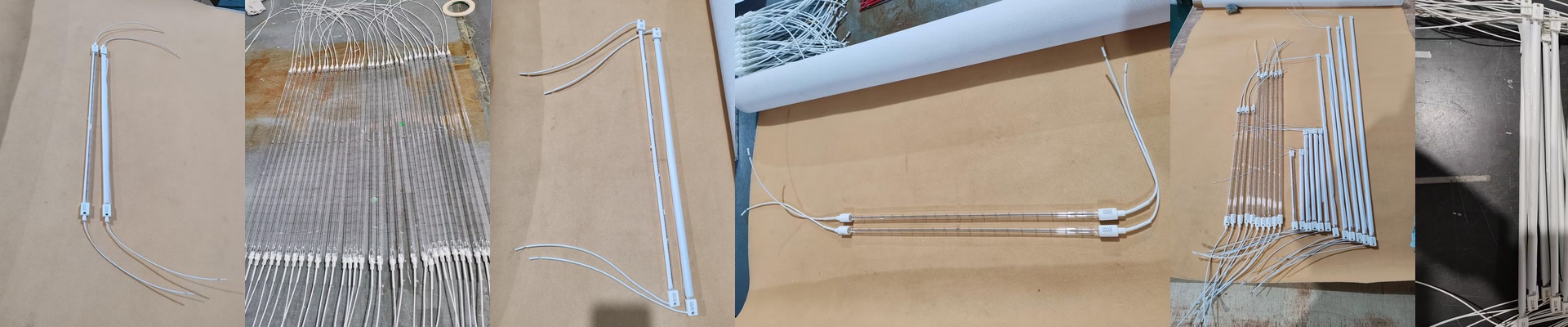
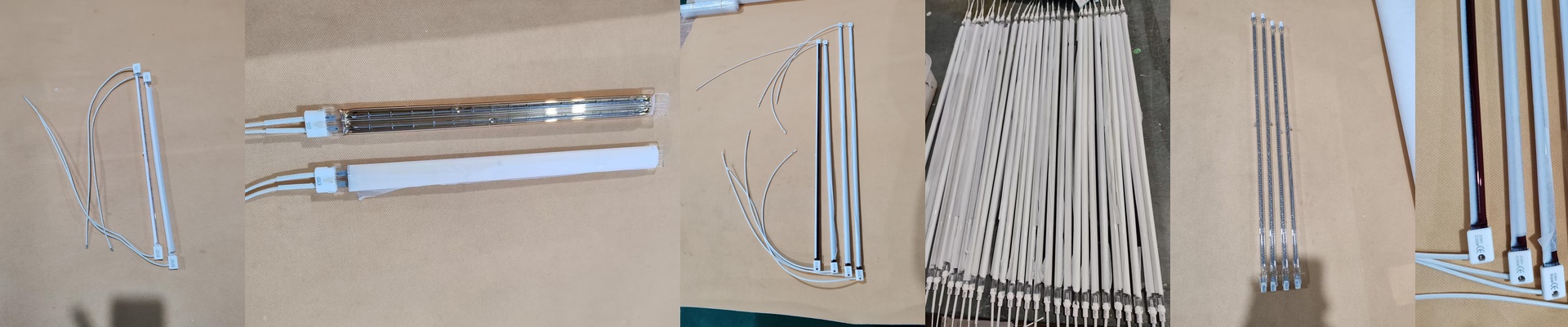
Meet the Philis Essential Halogen Lamp
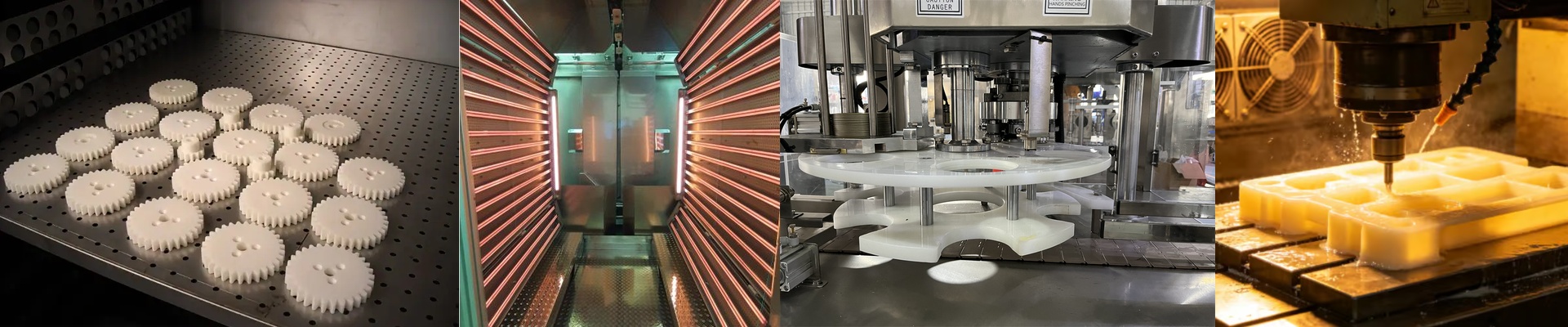
Here’s the thing about this lamp: it wasn’t built for your living room. It’s a straight-up workhorse, designed for one job and one job only—delivering serious, focused heat right where a factory needs it. This isn’t some everyday bulb. It’s a precision tool, built to be a core part of industrial equipment that needs intense, on-demand heat.
The Power Behind the Heat
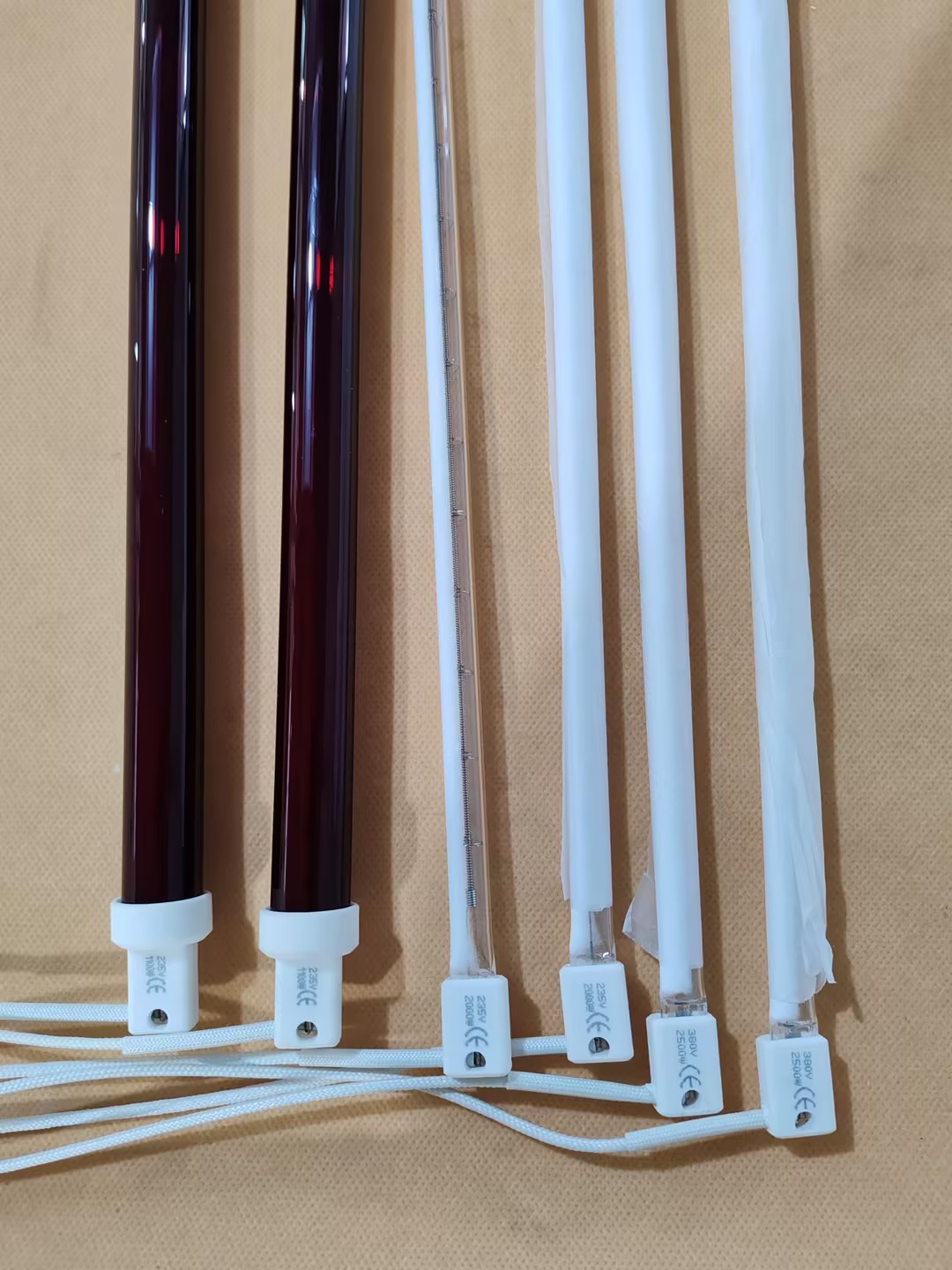
At the heart of it is a serious 2500W punch. We’re talking about the kind of thermal output that keeps demanding production cycles moving without skipping a beat. It runs on a 400V supply, which is standard for industrial setups. This isn’t just about power; it’s about being efficient on the line, keeping the electrical load balanced. And the size? At just 300mm long, it’s surprisingly compact. It slips into tight spots inside machinery without sacrificing the heat coverage you need. Just remember, all that power packed into a small space means you’ve got to manage the heat. Make sure whatever machine it’s going into has a cooling system that can keep up.
Built to Last, Built to Perform
So how does it keep delivering that intense heat so consistently? The secret is the halogen cycle. It keeps the filament temperature rock-solid, so the output stays stable day after day. That heating element is snug inside a tough quartz tube. This thing can handle the extreme temperatures and won’t crack when things heat up fast. A special coating on the tube helps control the heat profile and keeps the inner workings protected. For the connection, it uses an R7s connector. It’s a standard double-ended base, the kind you’ll find on many industrial heaters. That means when it’s time for a replacement, it’s a simple, straight-in swap.
What It Feels Like on the Factory Floor
Out there in the real world, this setup means two things: heat-up is fast, and the temperature is steady. That R7s base makes installation a breeze, which is a huge relief during maintenance when you’re on a tight schedule. The 300mm length and 2500W output are perfect for jobs that need a tight, focused blast of heat—think shrink-wrapping plastic, drying components, or curing. And that quartz build? It just shrugs off the rough and tumble of factory life. Yes, the 400V input means it needs its own dedicated power circuit. But the payoff is worth it: you get lower line losses and a heating element that just keeps going, keeping your machines running without a hitch.