Let’s Talk About Halogen Infrared Lamps
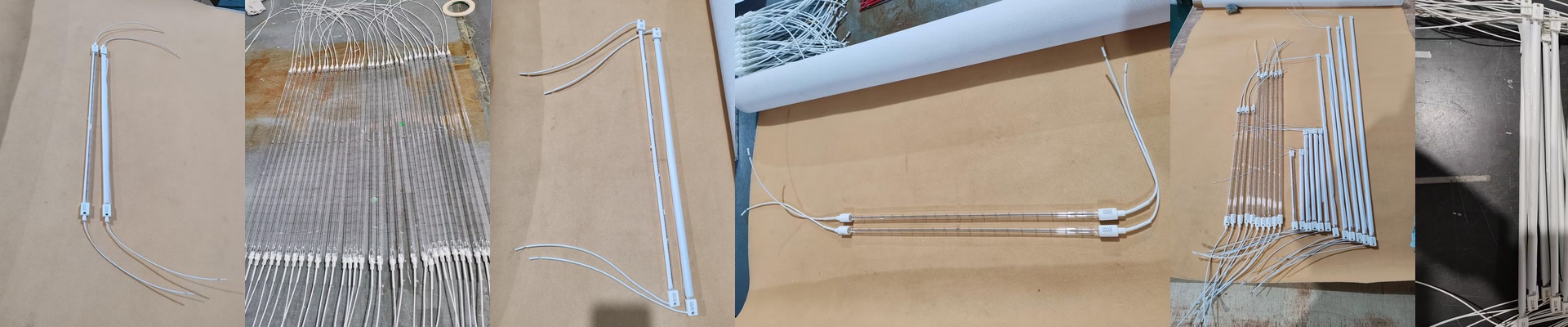
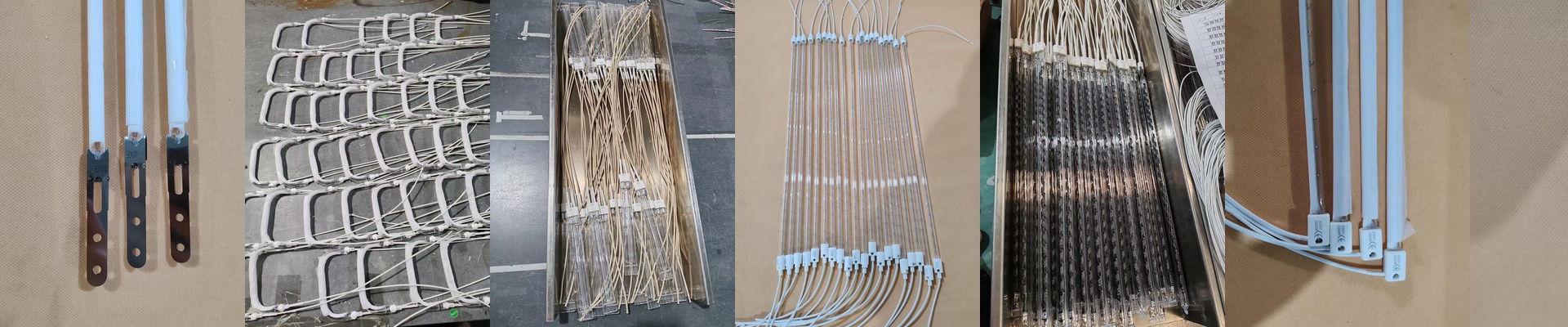
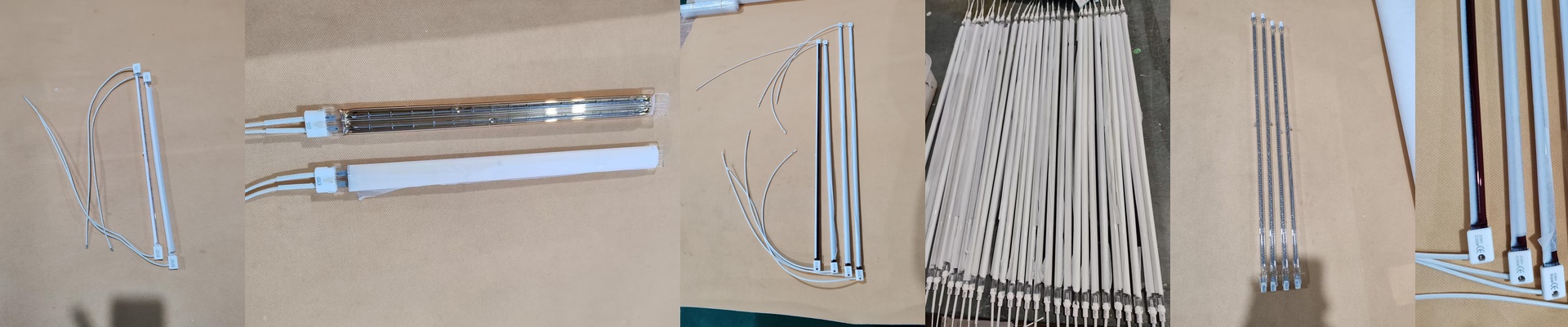
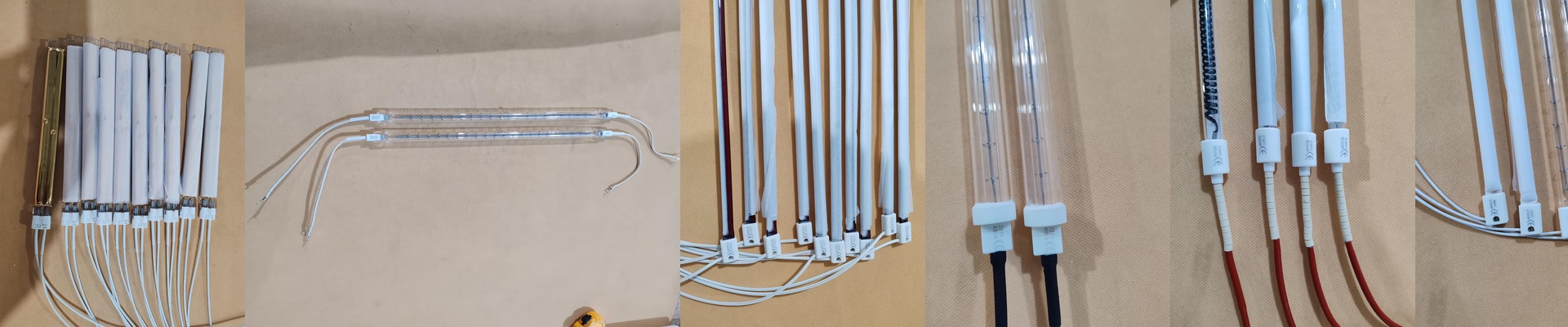
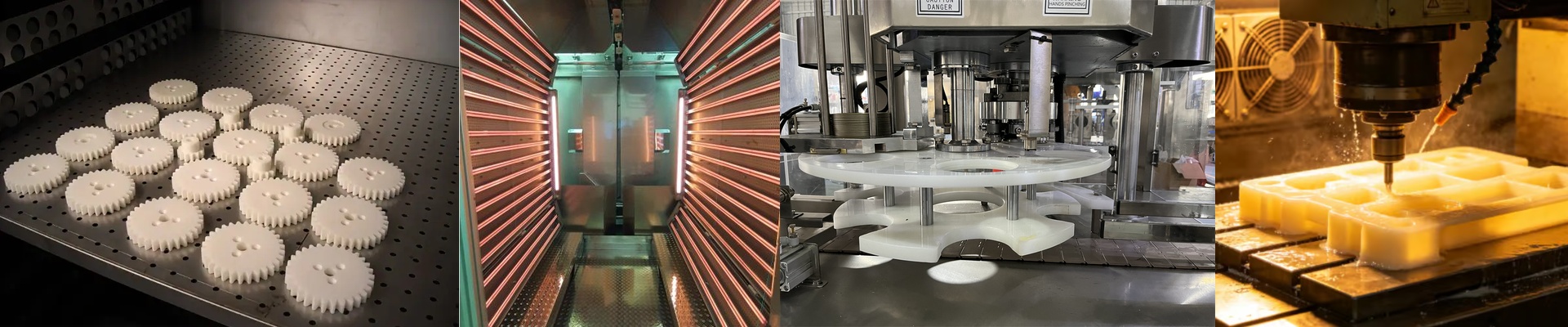
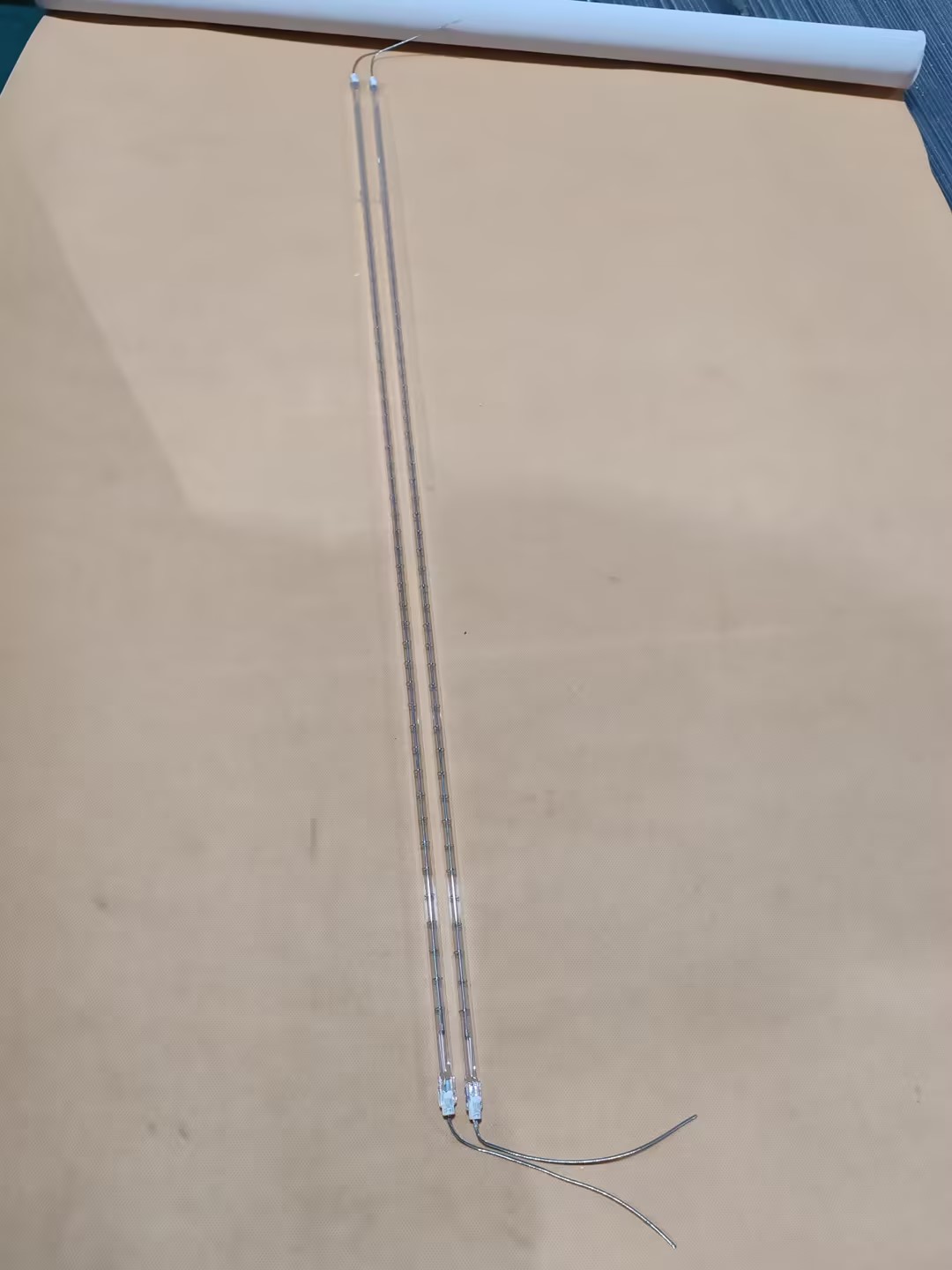
Ever wonder how those halogen infrared lamps actually work? It’s pretty clever. You’ve got a tungsten filament tucked inside a quartz envelope filled with halogen gas. This creates a little loop where the tungsten evaporates and then settles right back onto the filament. We build them this way so they can get incredibly hot without just snapping the wire. The Power Stuff When we’re talking specs, it really comes down to how much heat you need to move. A high-wattage tube—whether it’s 230V or 400V—blasts out concentrated shortwave radiation. The best part? It heats your material directly. It doesn’t waste time warming up the air around it. But here’s a heads-up: if you’re cramming a 2000W tube into a tight spot, don’t skimp on the cooling fans. If you do, the heat soak will just melt your sockets. Not a great look. Quartz and Connections We use quartz glass because it can take a massive thermal shock without cracking. Sometimes, we add a coating to change how the heat hits. This is a lifesaver if you need to get heat deep into a plastic part without scorching the surface. For the wiring, we stick with R7s or SK15 connectors. They’re basically plug-and-play for most industrial ovens. Plus, they stay tight and secure, even when your machinery is vibrating like crazy. Real-World Use You’ll see these all over the place—PET bottle blowing, powder coating lines, you name it. Because the shortwave output hits the material instantly, your cycle times drop. You ramp up fast. You cool down fast. It makes the whole line move quicker. Just be careful. Quartz is fragile. One accidental bump with a tool or a stray splash of oil on the glass creates a hot spot, and pop—your tube cracks. Keep them clean, and they’ll last you a lot longer.