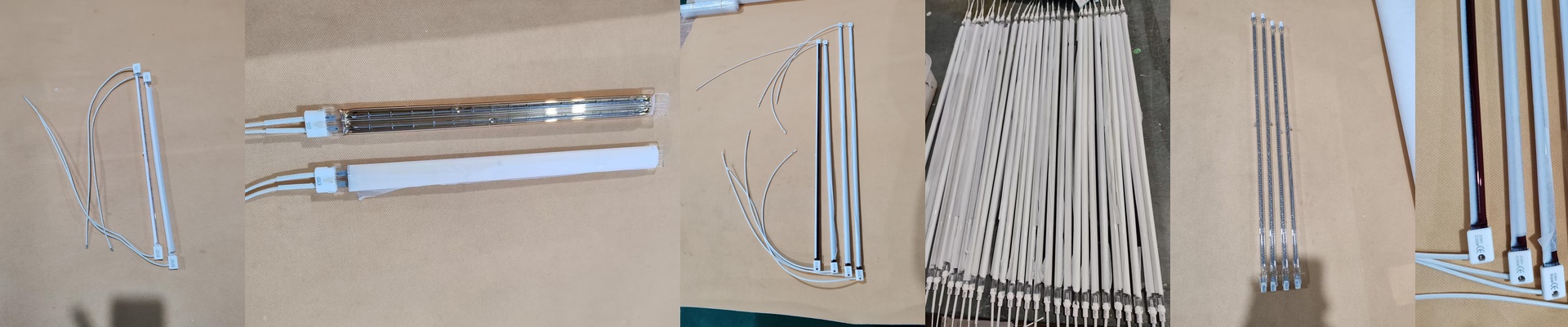
What a Blown Lamp Actually Costs You
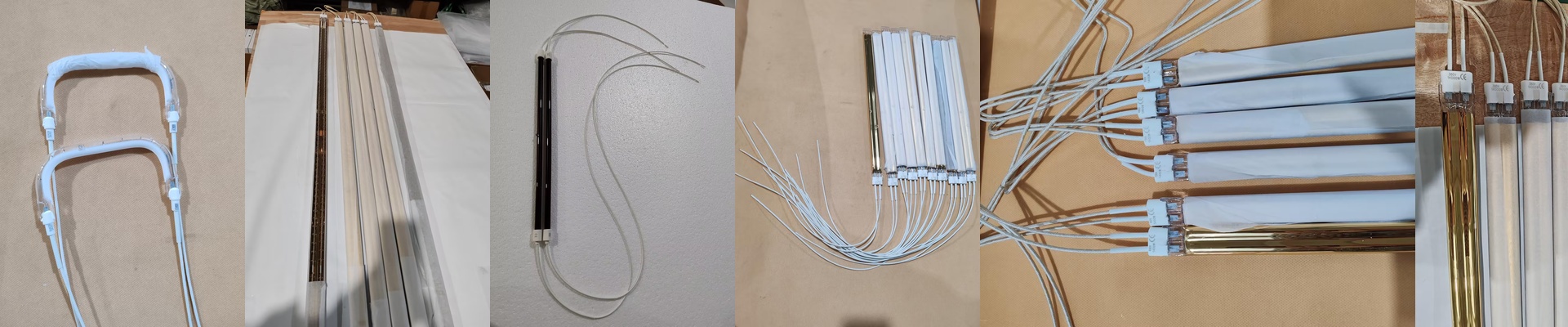
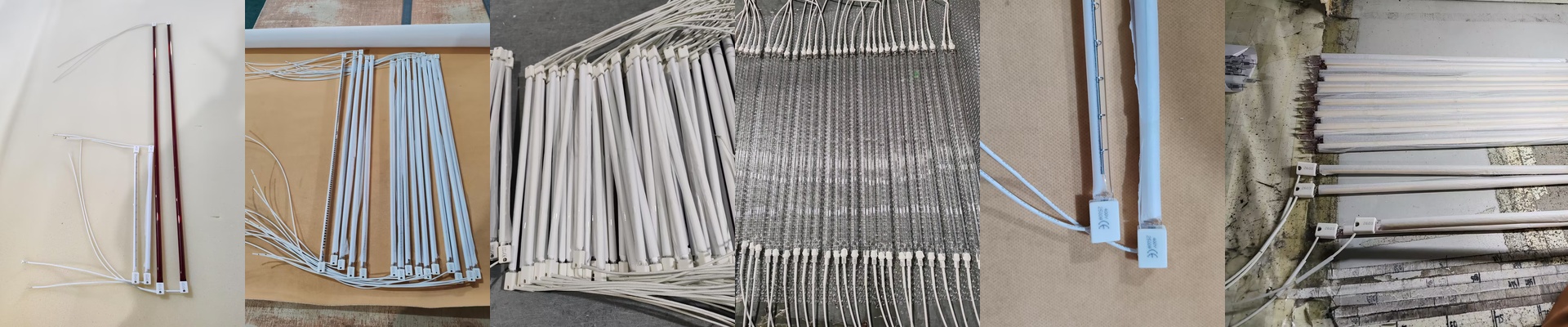
Most plant managers look at the invoice for a replacement quartz lamp and think that’s the cost. But that’s a mistake. When a heater pops on a high-speed line, the price of the glass tube is the least of your worries. You’re losing tonnage. You’re paying a technician to scramble and get the machine back online. It’s a headache that eats your margins.
The Tug-of-War Between Heat and Life
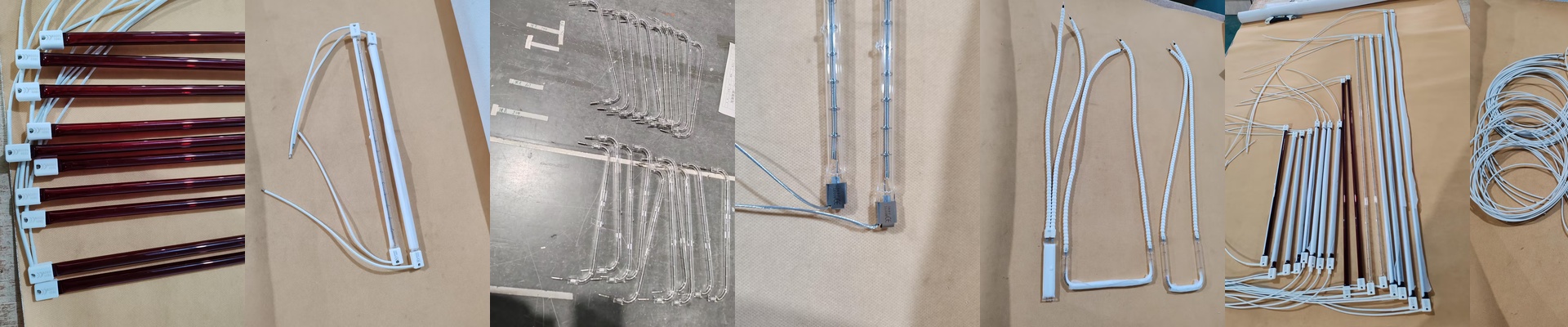
Here is the thing about heat density: it’s a balancing act. You need high wattage to cure quickly or blow PET bottles, but if you cram too many amps into a short tube, you’re basically cooking the filament. It’s like redlining an engine—you’ll get the speed, but you’re killing the machine. We build our lamps to hit a sweet spot. We keep the operating temperature stable so the tungsten doesn’t evaporate too fast. If you push a lamp to its absolute limit just to shave a second off your cycle time, don’t be surprised when it burns out. You’ve got to find the middle ground between how fast the line moves and what the lamp can actually handle.
Keeping it Simple
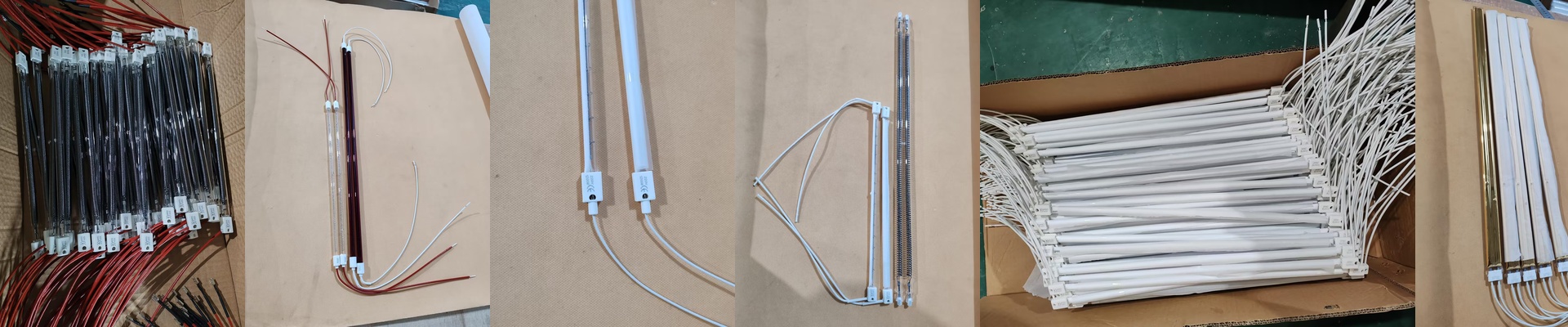
Nobody wants to spend an hour rewiring a machine during a breakdown. That’s why we stick to standard connectors like R7s or Sk15. They just slide in. Done. We also use high-purity quartz. Why? Because it keeps the infrared transmission steady. You won’t find yourself constantly fiddling with your PID controllers as the lamp gets older. It just works.
Keeping the Line Moving
If you want to stop the constant interruptions, you need thermal stability. When your lamps aren’t failing every other week, the “invisible” losses just vanish. Your line stays hot. Your output stays steady. It’s a much calmer way to run a floor. One quick tip: check your cooling fans. If your sockets are overheating, it doesn’t matter how good the lamp is—it’ll still burn out right at the contact point. Keep them cool, and your lamps will last a lot longer.