Why Your Quartz Heaters Keep Dying (and How to Fix It)
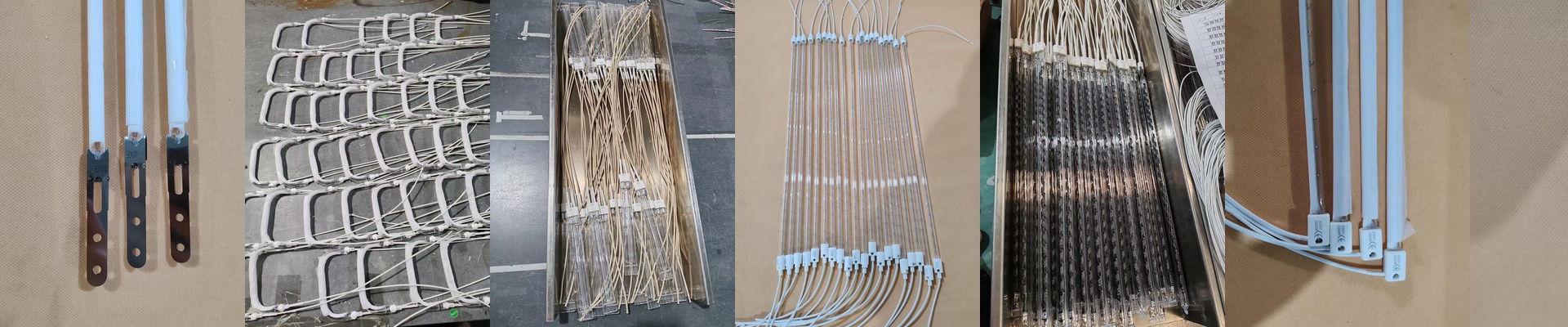
Here’s a secret most people miss: not all quartz glass is created equal. It’s easy to assume a tube is just a tube, but the difference between a heater that lasts 2,000 hours and one that goes the distance for 10,000 comes down to the gritty details—specifically, the purity of the glass and the grain of the filament. We use the same high-grade fused quartz and tungsten that the biggest names in the industry rely on. It just works better.
The deal with filaments
It all comes down to evaporation. When a heater hits peak temperature, low-quality tungsten starts to thin out. If the grain size is inconsistent, you get these “hot spots.” They’re like weak points in a chain; they burn out fast, and then the whole thing pops. We keep the material specs tight to stop that evaporation. The result? Your electrical resistance stays steady. You won’t deal with that annoying voltage drop you see with the cheap stuff.
Why the glass actually matters
The glass envelope takes a beating. It’s constantly heating up and cooling down, which puts a massive amount of stress on the material. If you’ve ever seen a tube turn cloudy and white, that’s called devitrification. It happens when the quartz isn’t pure enough. Once that happens, the heat can’t get through the glass as efficiently. You’ll find yourself cranking up the power just to get the same heat, which—guess what?—kills your filament even faster. We use low-impurity synthetic quartz to keep things crystal clear.
A quick heads-up on the real world
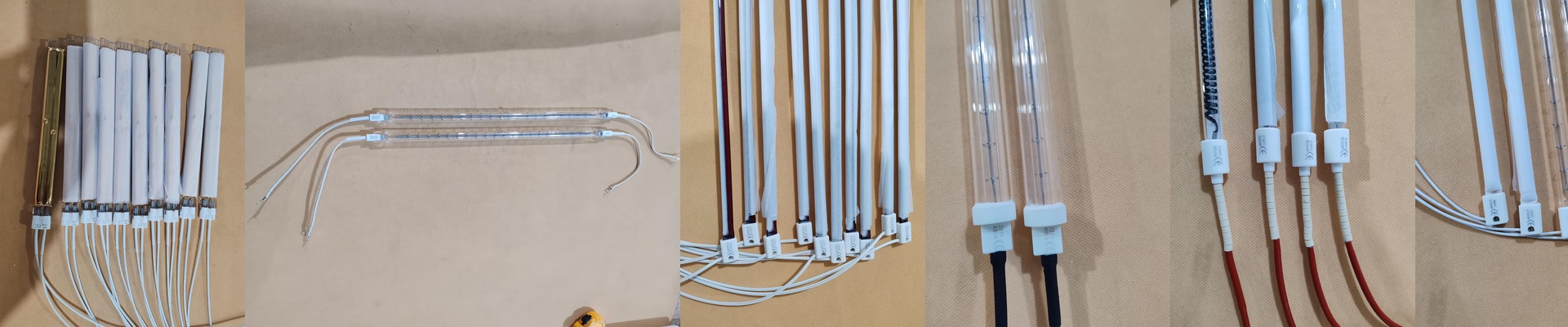
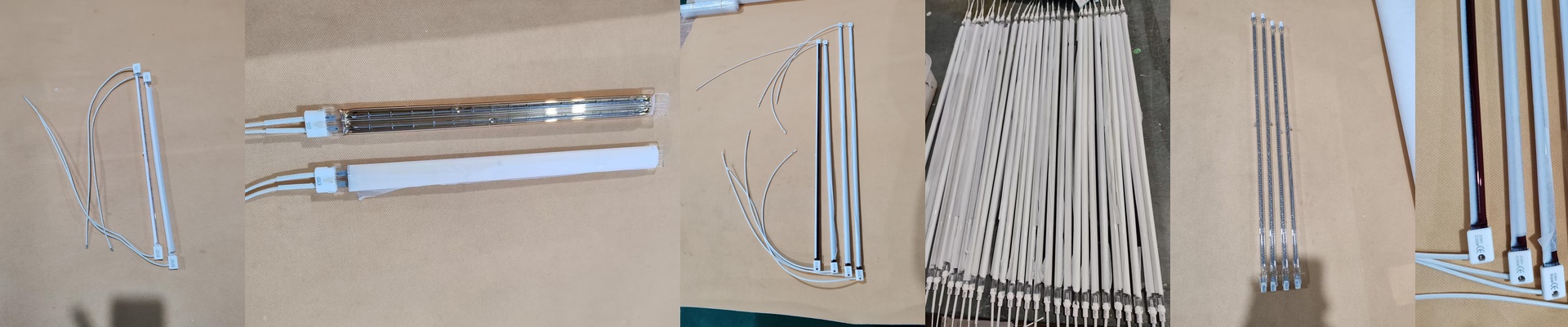
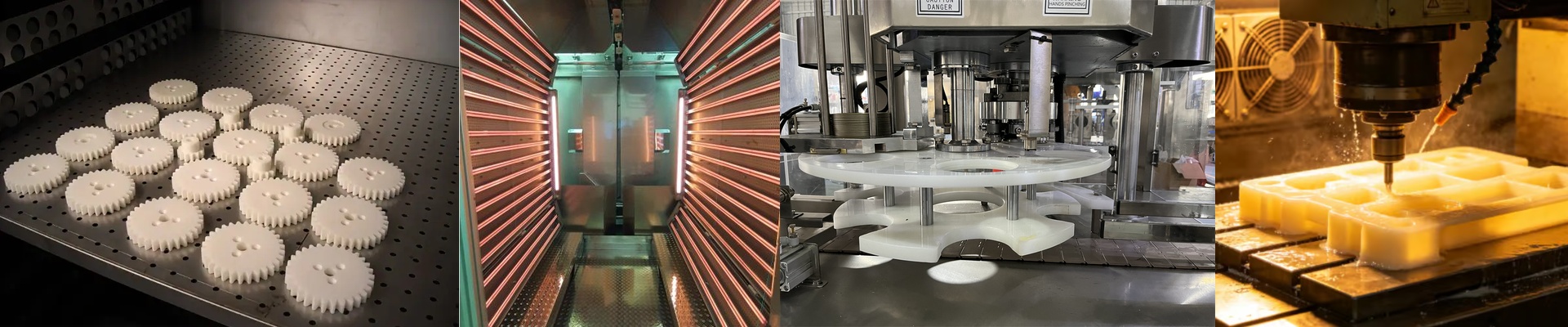
High-output tubes put out a ton of heat. That’s great for getting things up to temperature fast, but it can be brutal on your housing. If your ventilation isn’t quite right, your sockets might start to char. Before you swap them out, just double-check that your wiring and connectors can actually handle the heat they’ll be sitting in, not just the voltage on the label. We make drop-in replacements that fit the exact footprint of the premium brands. You get all that stability and lifespan, just without paying the “big brand” tax.