A No-Nonsense Guide to Reflector Halogen Quartz Lamps
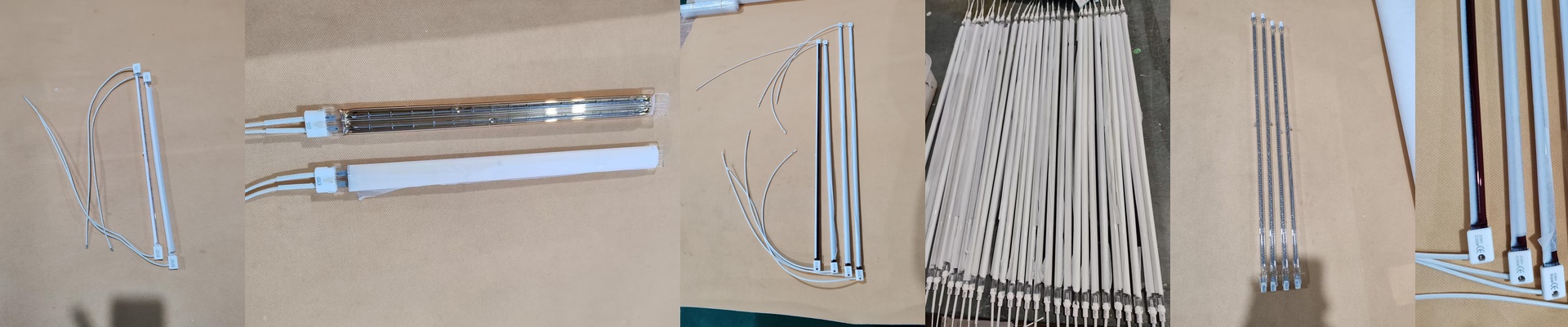
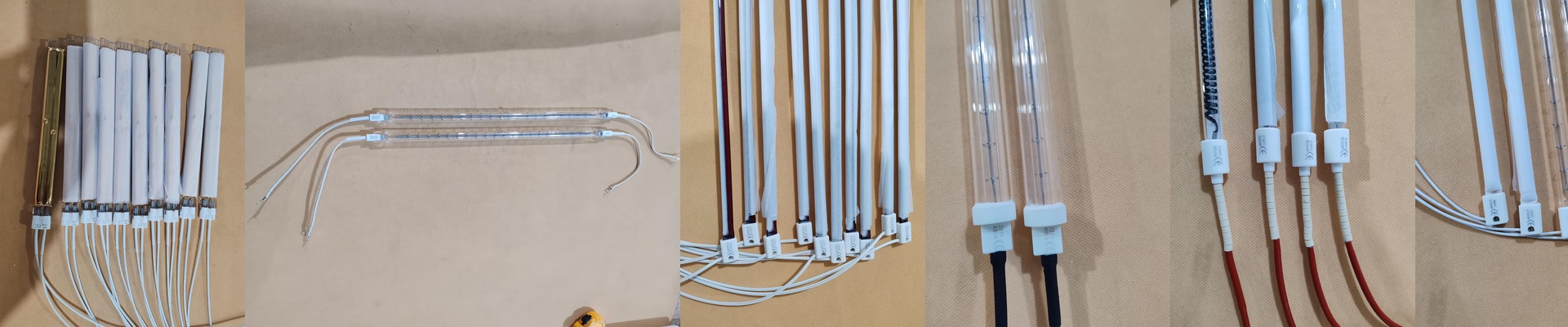
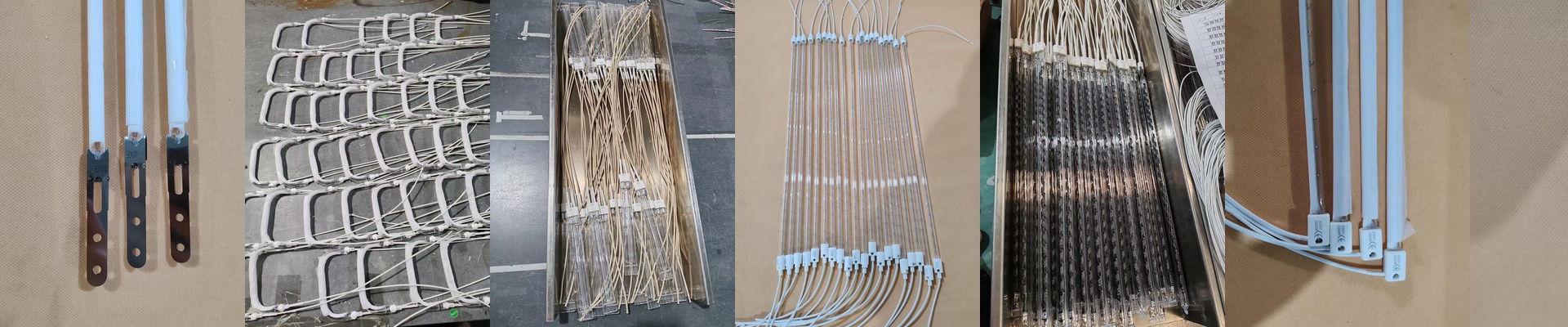
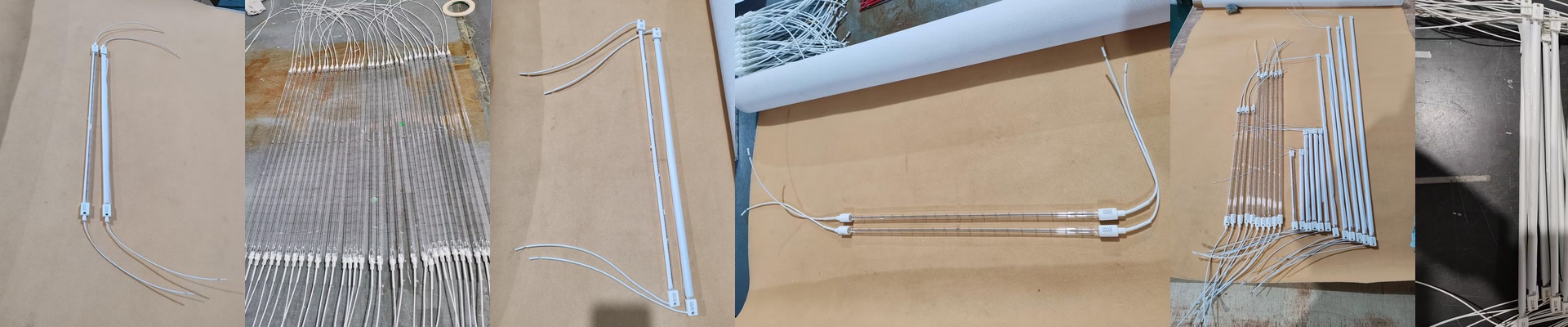
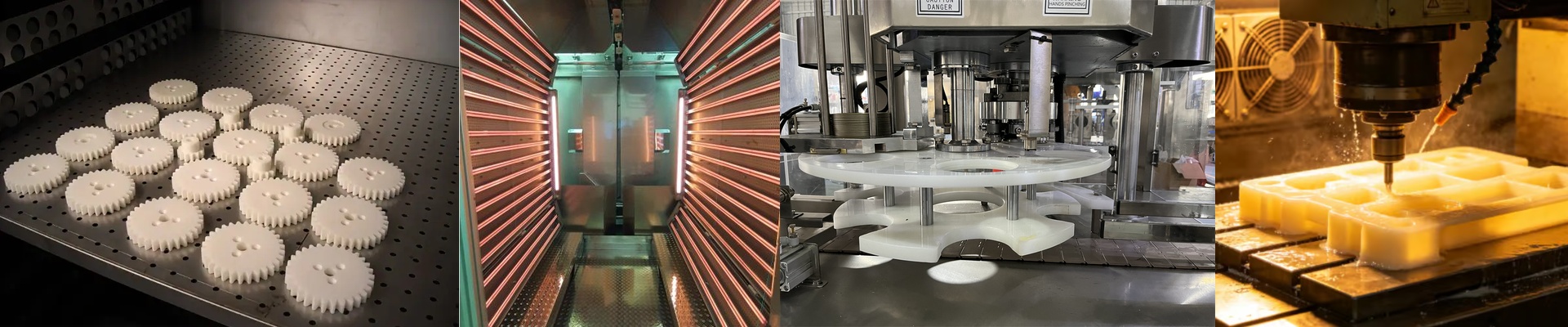
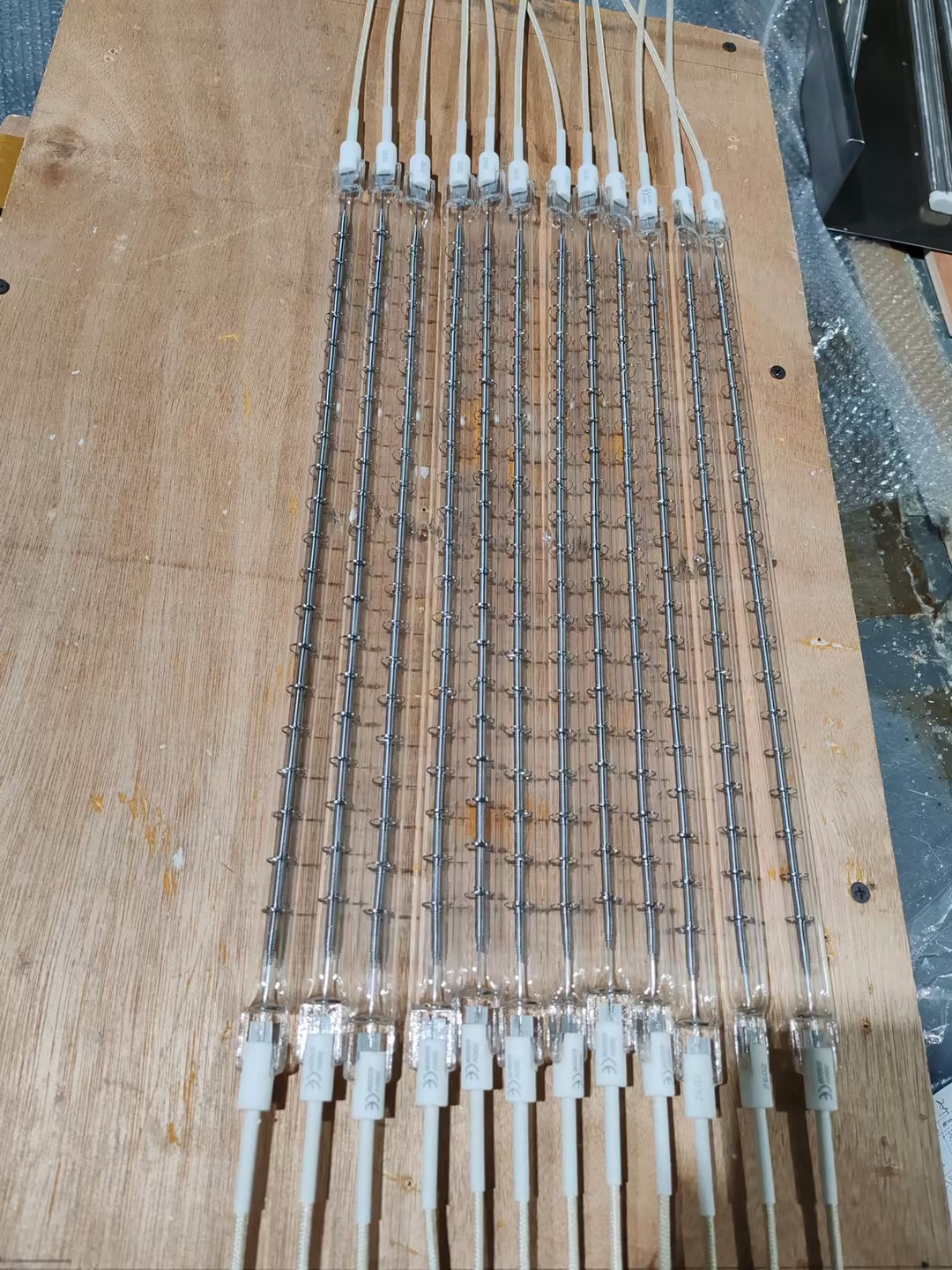
Here’s the deal with these lamps: we built them to push infrared energy exactly where you need it. Most tubes just throw heat everywhere, which is a waste. Our reflector basically acts like a mirror, bouncing all that thermal energy straight onto your target. It keeps the heat on the work and off your machine’s frame. Getting the power right It all comes down to how much wattage you can cram into the length of the tube. If you go with a high-wattage lamp in a short space, you get an incredible amount of heat density. It’s great for industrial ovens because you can get things up to temperature almost instantly. But a word of warning on the power supply. You’ve got to be spot on with the voltage. If it’s too low, your heat drops off. If it’s too high? You’ll fry the tungsten filament in no time. The build and the plug We use high-purity quartz glass because it doesn’t crack when things get wildly hot. Inside, there’s a halogen cycle happening that stops the tungsten from gunking up the glass. This keeps the tube clear so the light—and the heat—keeps flowing without fading over time. As for getting them plugged in, we stick with R7s or Sk15 connectors. They just slide right into most industrial sockets. You can swap out an old array without having to rebuild your entire housing. It’s a simple plug-and-play situation. Real-world use (and the catch) You’ll see these all the time in PET bottle blowing or plastic curing. The reflector helps the plastic hit that “sweet spot” temperature fast, giving you a really tight, controlled thermal profile. But there is a catch. Because these lamps are so intense, you can actually scorch your material if your conveyor belt is moving too slowly. You’ve got to find that perfect balance between your line speed and the lamp’s output. Also, don’t forget about airflow. Give the reflector housing some room to breathe so it doesn’t overheat itself.