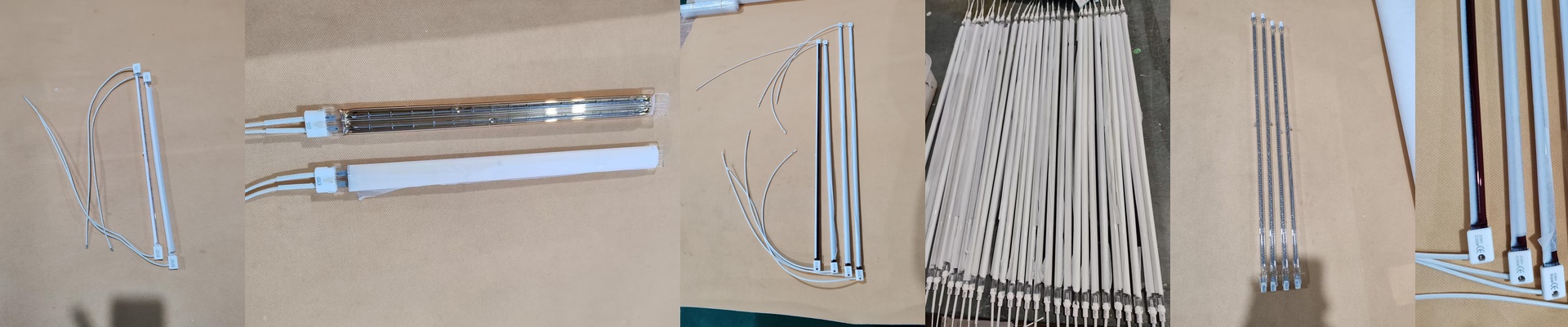
Getting the Most Out of 1000W Halogen Heat Lamps
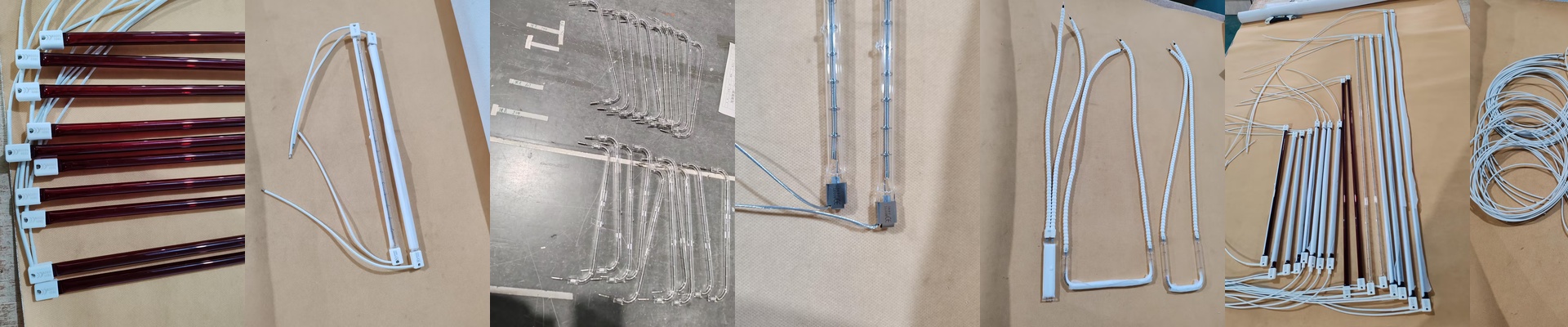
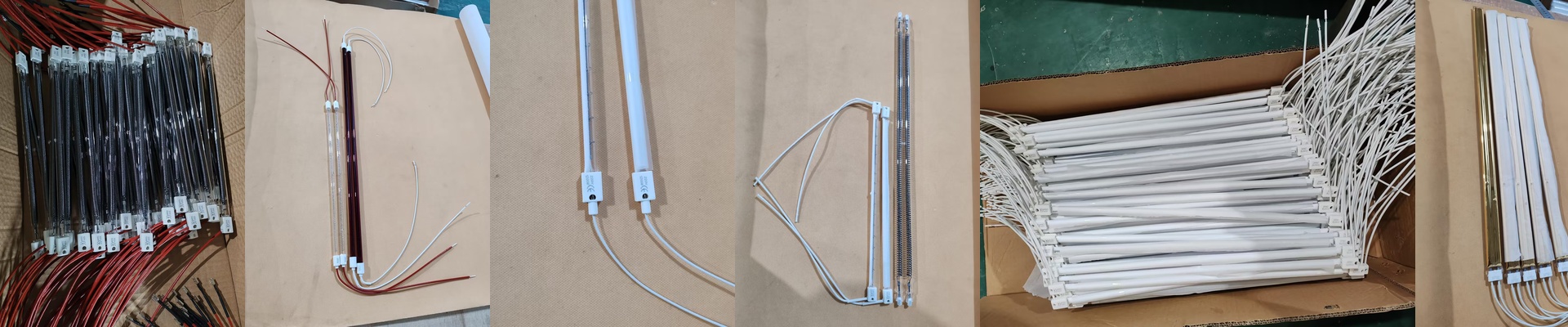
If you need to get plastics or coatings hot—and you need it to happen now—these 1000W halogen lamps are your best friend. Most heaters just push heat around. These are different. They use shortwave infrared (SWIR) radiation, which basically means the energy punches straight through the material instead of just sitting on the surface. It’s fast. Really fast.
Let’s talk power
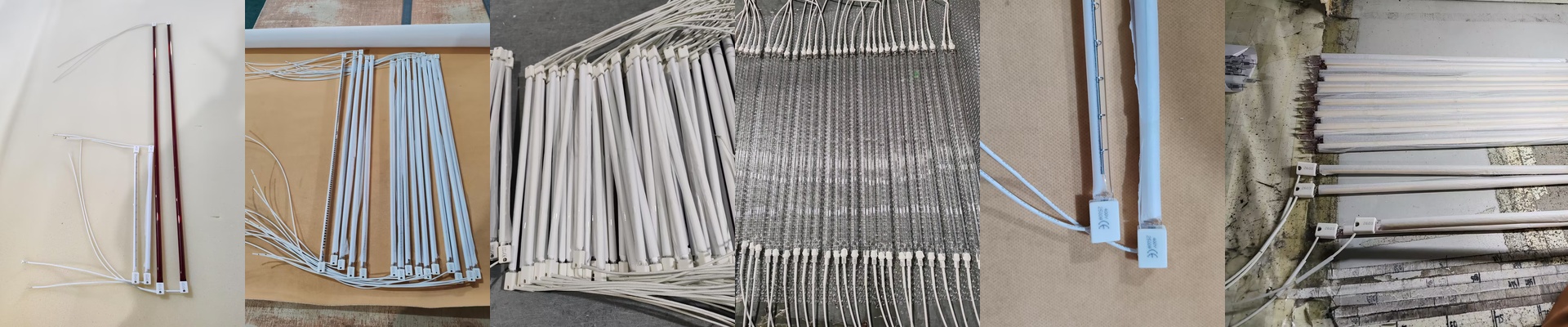
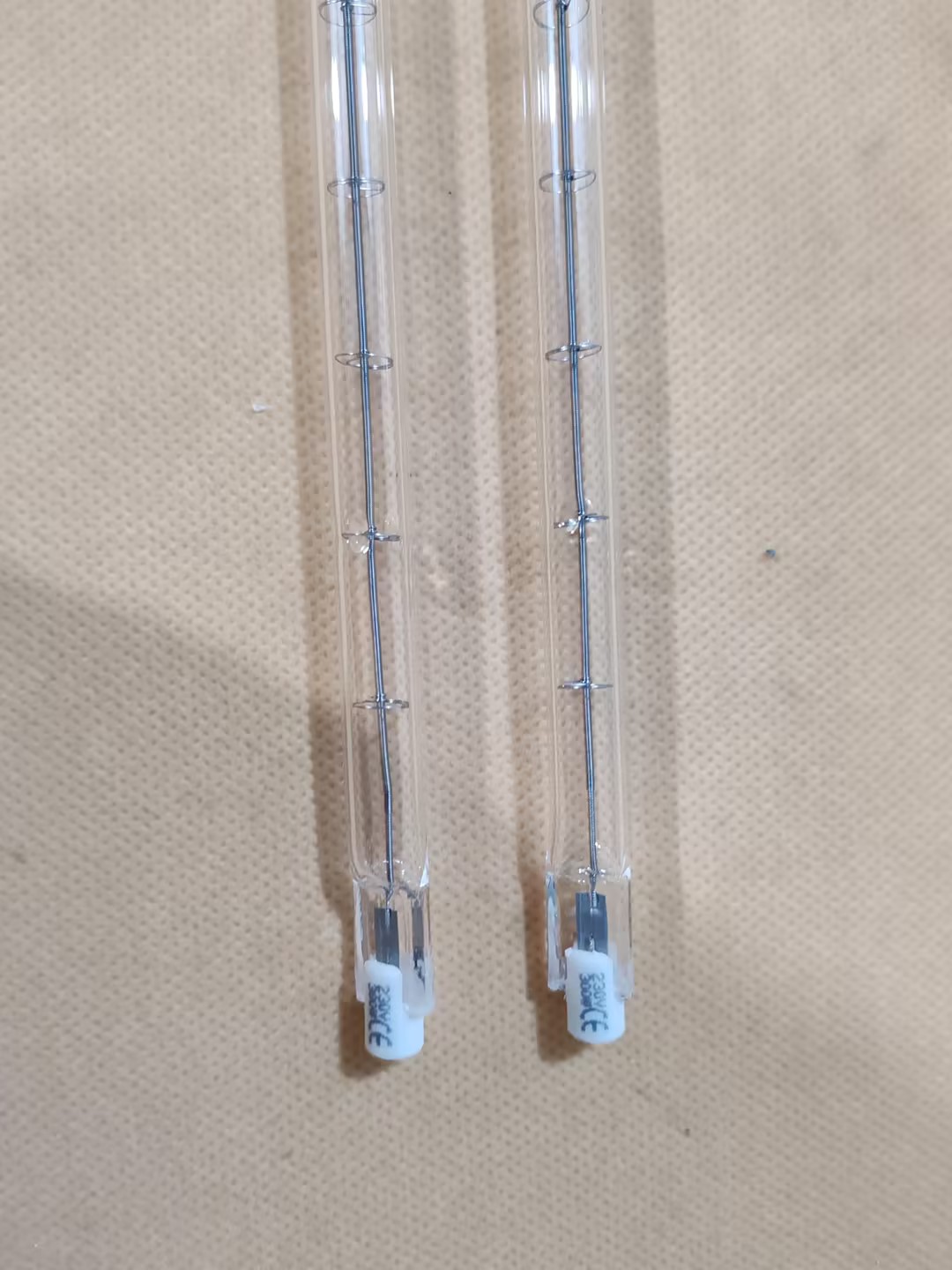
A 1000W rating gives you a serious amount of heat across the tube. But here’s the thing: you’ve got to be careful with your voltage. Whether you’re running 220V or 400V, the current draw shifts. We wrap the tungsten filament in high-purity quartz glass for a reason. When things get that hot, standard glass would just warp or crack. The quartz keeps everything stable while the inside is practically a furnace. Just a heads-up: don’t eyeball your power supply. If you under-voltage the lamp, you won’t hit that peak temperature needed for a quick cure. Go too high? You’ll fry the filament in no time.
Plugging it in
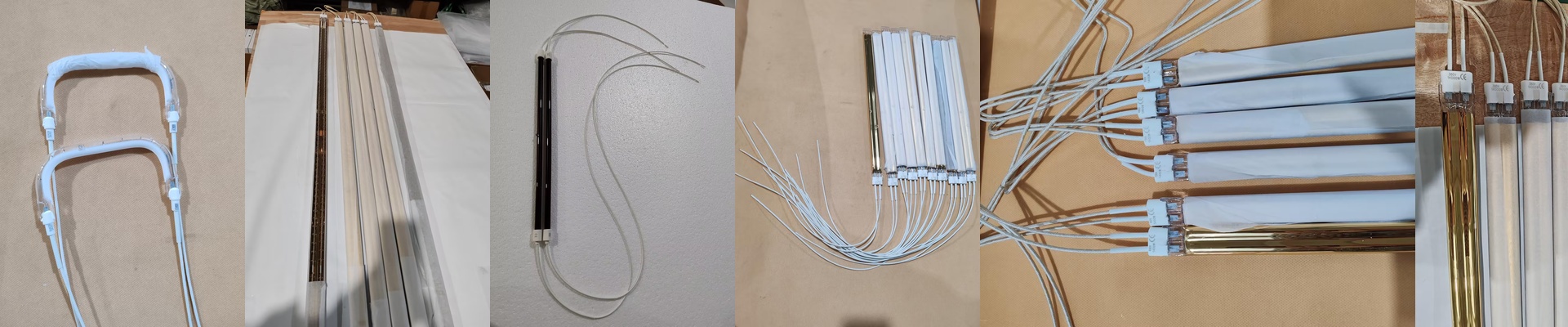
We usually stick with R7s or SK15 connectors because they just work. They’re designed to drop right into most industrial ovens without a fight. Plus, the spring-loaded contacts keep the fit tight, so you don’t have to worry about annoying arcing at the terminals. Some of our lamps have a special coating on them. It sounds like a small detail, but it actually steers the heat toward the specific materials you’re working with. It stops the lamp from wasting energy on wavelengths your product simply won’t absorb.
The reality of using them
You’ll see these all over the place for powder coating or blowing PET bottles. They hit the target temp in seconds, which is great for keeping a line moving. But there is a catch. Putting 1000W into a slim little tube creates an intense amount of heat. If you don’t have your cooling fans and shielding dialed in, you’re going to have problems. Without decent airflow around the sockets, those connectors will literally melt. Check your wiring gauges too. Make sure they can handle a continuous heavy load, or you’re asking for trouble.