A No-Nonsense Guide to Halogen Shortwave Heaters
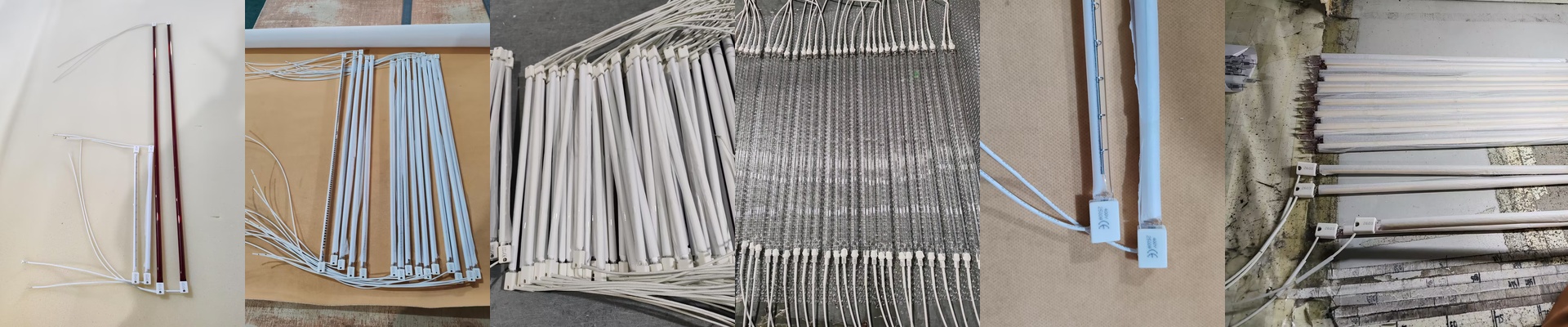
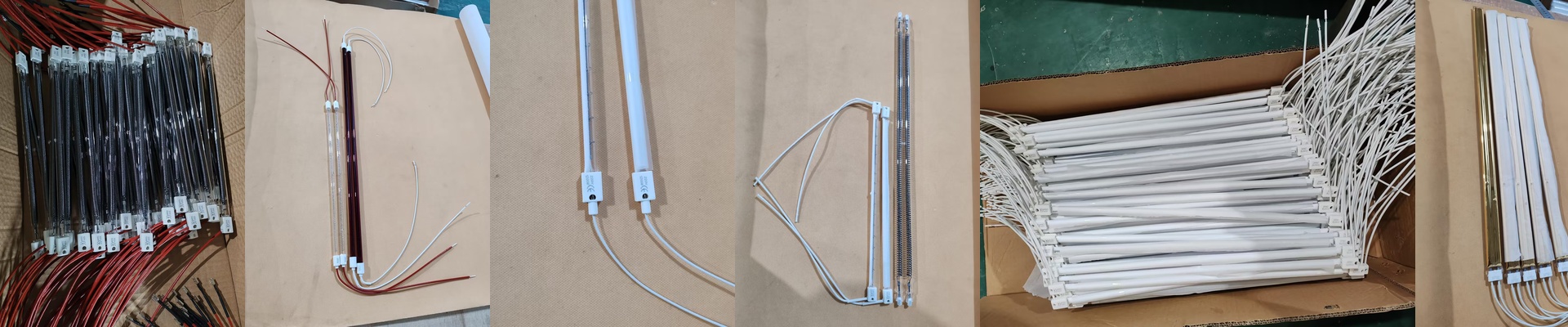
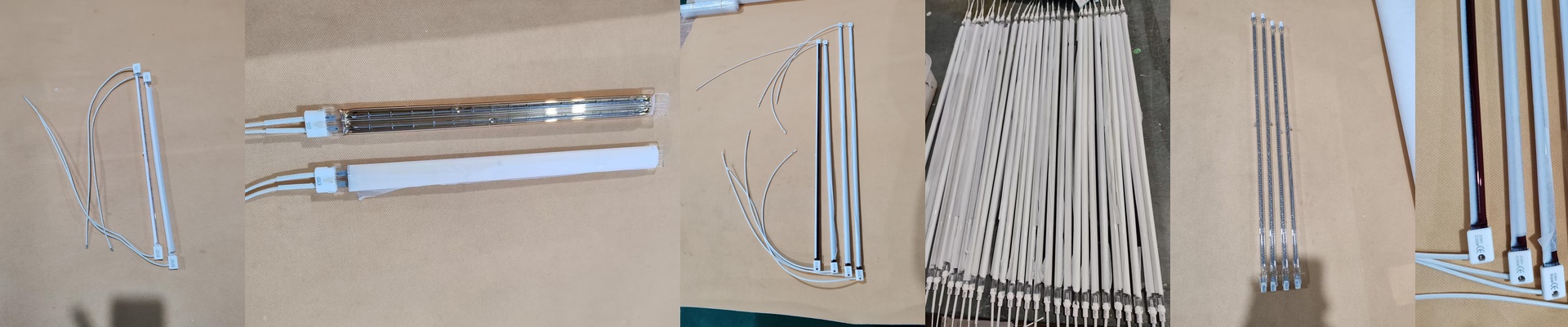
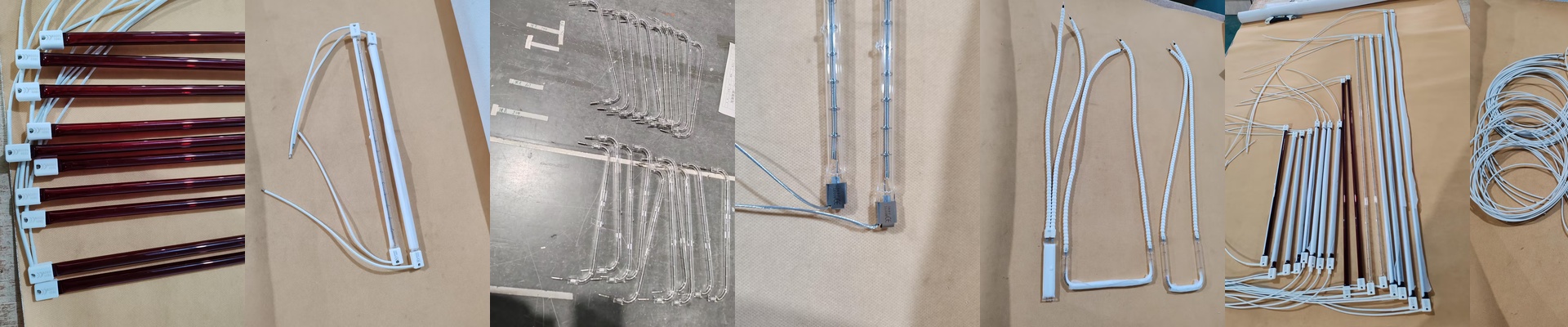
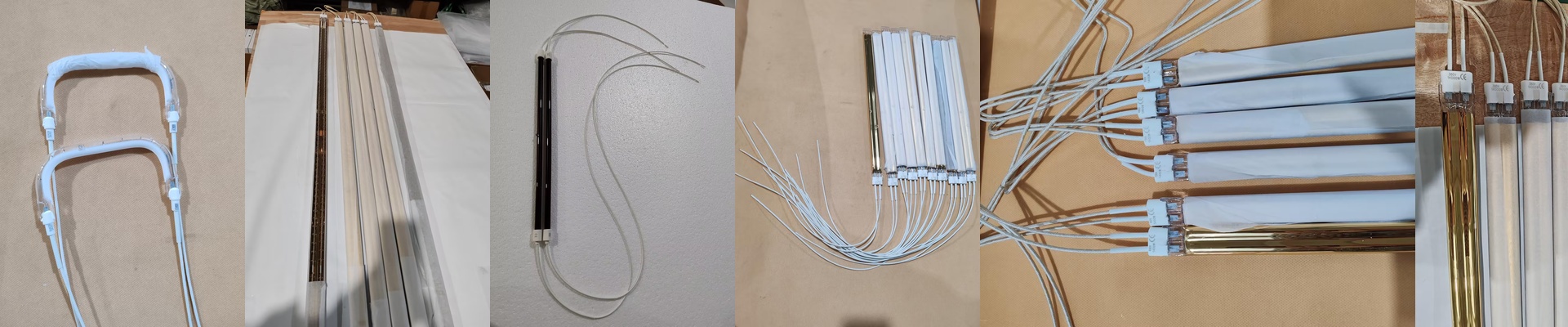
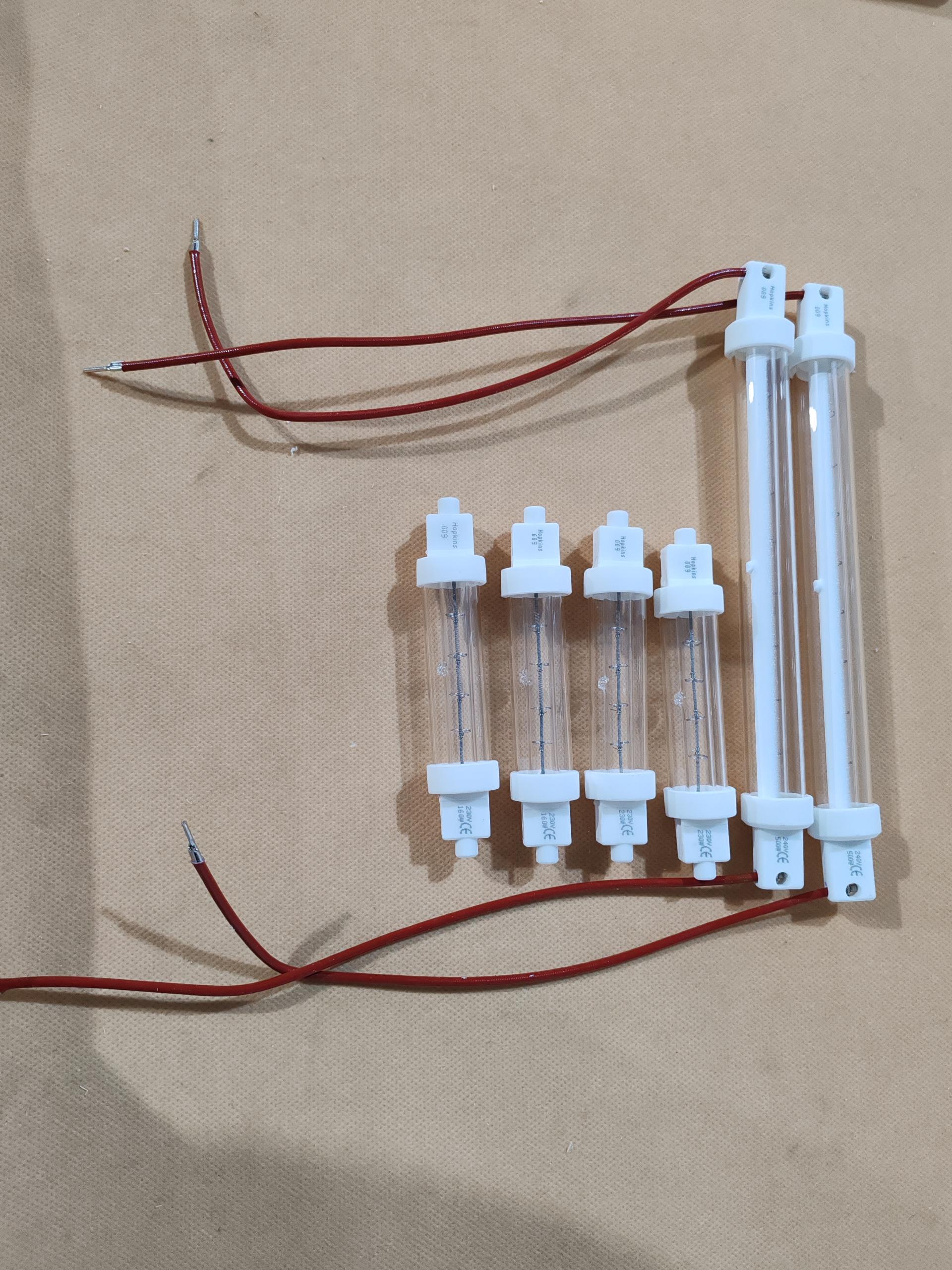
Ever wondered why some industrial heaters just work while others take forever to warm up? It usually comes down to the tech inside. We use a tungsten filament tucked inside a quartz tube, pressurized with halogen gas. The magic here is the shortwave infrared (SWIR) radiation. Unlike your standard convection heat—which kind of drifts around—this stuff punches right through materials. It’s fast. Really fast. Getting the Power Right Here’s the thing: you can’t just plug these in and hope for the best. We pick the lamps based on how much heat you actually need to move. If you’re running a high-wattage tube at 230V or 400V, you get an almost instant thermal response. The high voltage is a lifesaver for longer tubes because it keeps the temperature steady from one end to the other. But be careful. You’ve got to match your power supply to the wattage, or you’ll fry the filament. And a pro tip? If you’re squeezing these into a tight housing, don’t skimp on the cooling fans. If the heat builds up too much around the quartz, the glass will just crack. Not a great day for anyone. The Hardware Side of Things The quartz glass is the unsung hero here. It can take the brutal heat of the filament without breaking a sweat, all while letting those IR waves fly through. For some plastics, we even add special coatings to tweak how the heat hits the material. As for the plugs, we stick with R7s or Sk15 connectors. They’re basically “plug-and-play” for most industrial drying racks. They fit tight, too, so you don’t have to worry about the lamp rattling loose while the machine is humming along. Putting Them to Work You’ll see these all over PET blowing lines and curing stations. The best part is the ramp-up time. These things hit their stride in seconds. Because they’re so efficient, you can actually shrink your machine’s footprint. You don’t need those massive, sprawling pre-heating tunnels anymore. Just a heads-up, though: shortwave heat is intense. If your part is sitting too close to the emitter, you’ll scorch the surface before the inside even gets warm. It’s all about a little trial and error with your conveyor speed and lamp distance to get that perfect heat soak.