Stop Overpaying for Your Plastic Line Heating
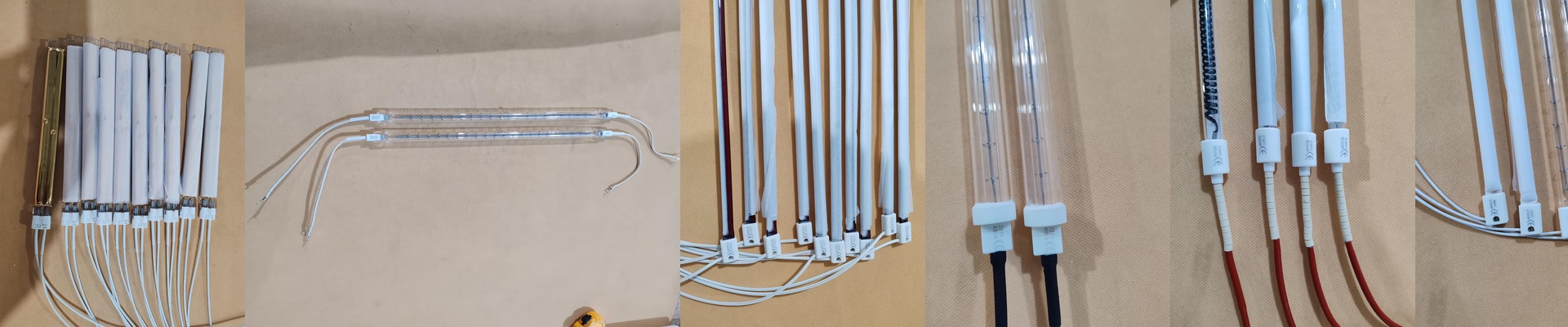
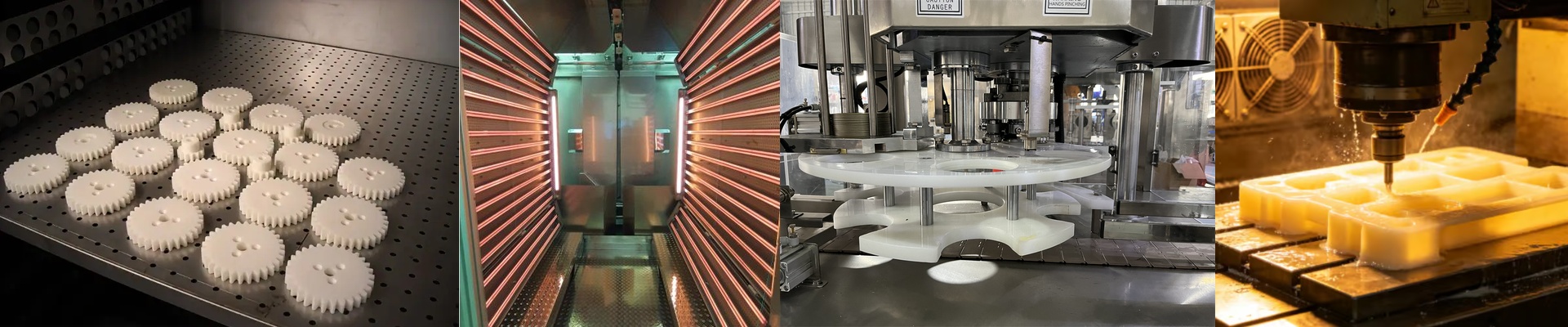
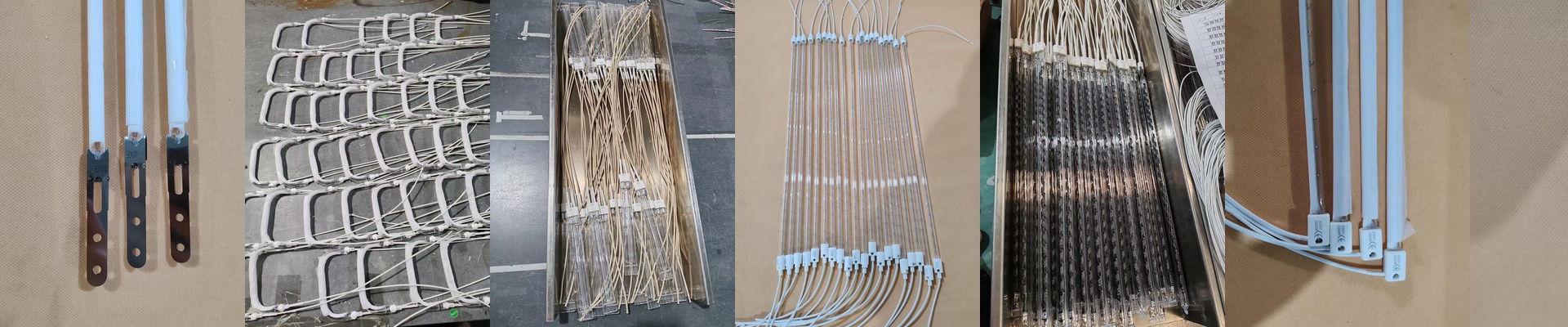
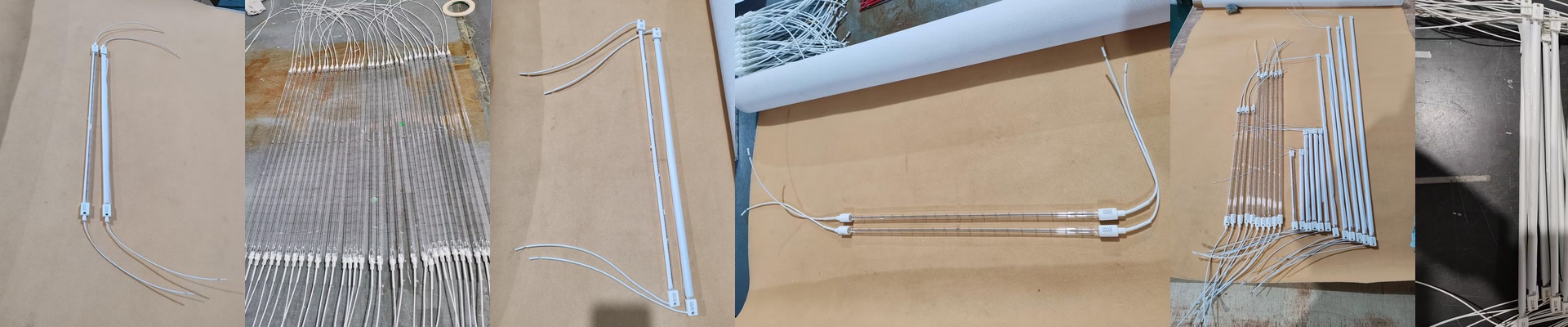
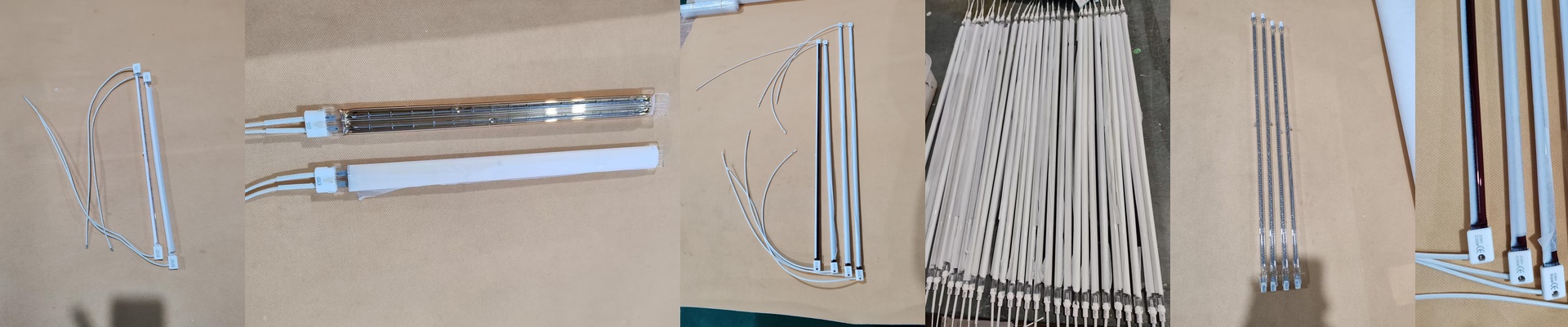
I see it all the time in PET blowing and PVC forming plants. Companies drop a fortune on imported heating elements, thinking the premium price tag means they’ll last forever. Spoiler alert: they usually don’t. You can actually get the same heat density—and the same results—by switching to high-spec domestic infrared lamps. Your maintenance budget will thank you. Let’s talk about the technical side, but keep it simple. When we’re picking out a replacement lamp, it’s all about that wattage-to-length ratio. If you cram a high-wattage tube (we’re talking 2000W+) into a small space, you get that intense, radiant heat that softens polymers in a flash. And here’s a pro tip: try a 400V system instead of 220V. It drops the current draw, which means your wiring stays cooler and you aren’t constantly dealing with tripped breakers. It’s the same amount of energy, just way less stress on your electrical panels. The build matters. We use heavy-wall quartz glass. Why? Because when things get scorching, you don’t want the filament sagging. Most of our replacements use R7s or SK15 connectors, so they just slide right in. No rewiring. No modifying holders. No headache. If you’re running a high-speed line, go with coated tubes. The coating helps the plastic absorb the heat better. Instead of wasting energy heating up the air in your factory, the heat actually goes into the product. But look, there’s a catch. More heat density isn’t a magic fix. If you push a 2500W tube into a spot meant for 1500W just to speed up production, you’ve got to make sure your cooling fans can keep up. If the airflow around the lamp ends is weak, you’re going to fry your sockets. Also, keep your reflectors polished. A layer of grime on a reflector kills your efficiency. It forces the lamps to run hotter than they need to just to hit your target temps, which just wears them out faster.