A No-Nonsense Guide to UVIR Circular Halogen Lamps
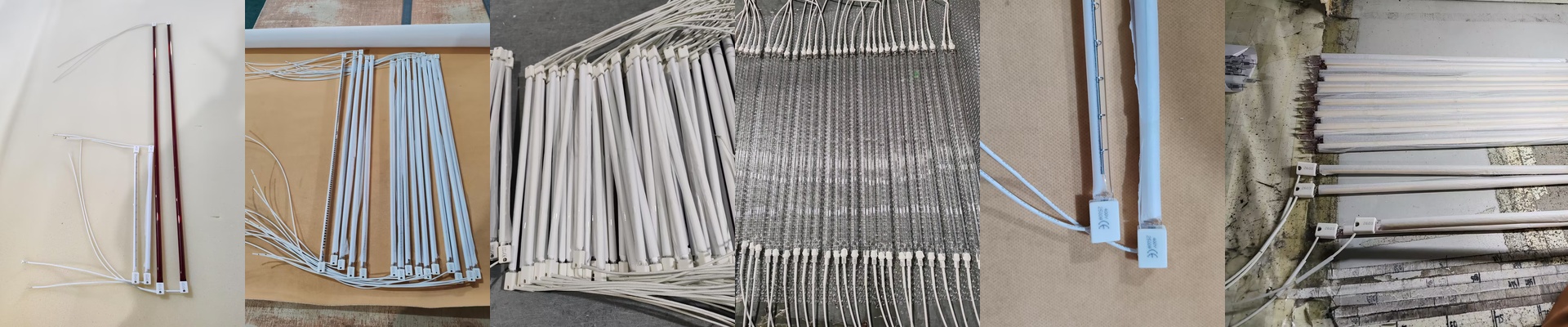
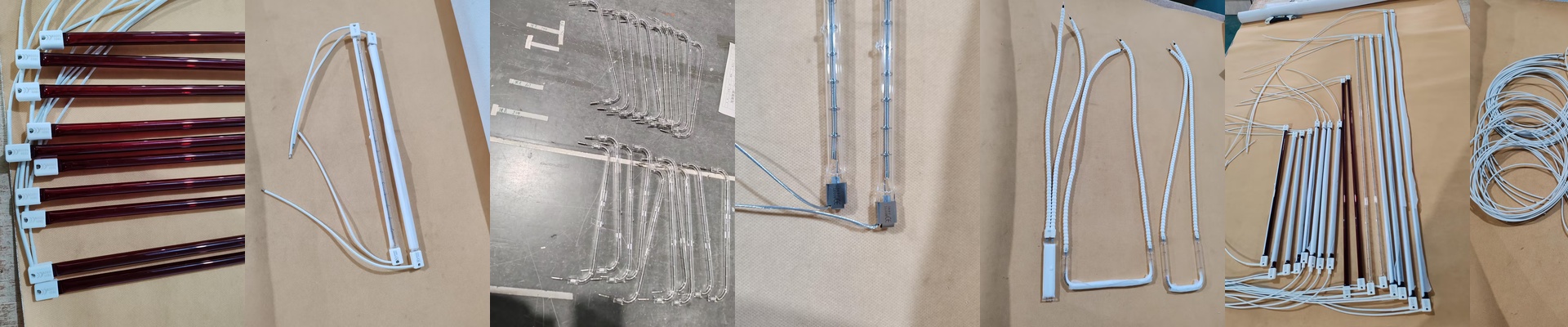
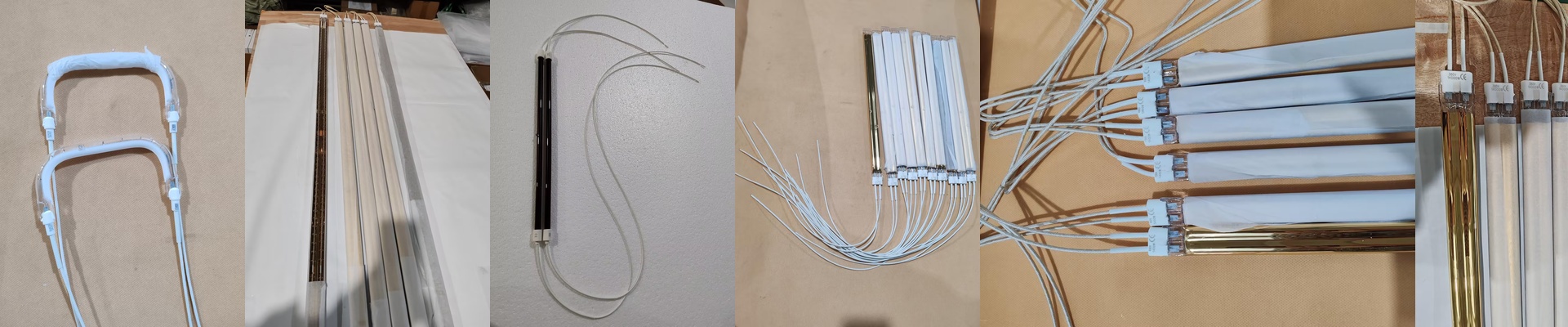
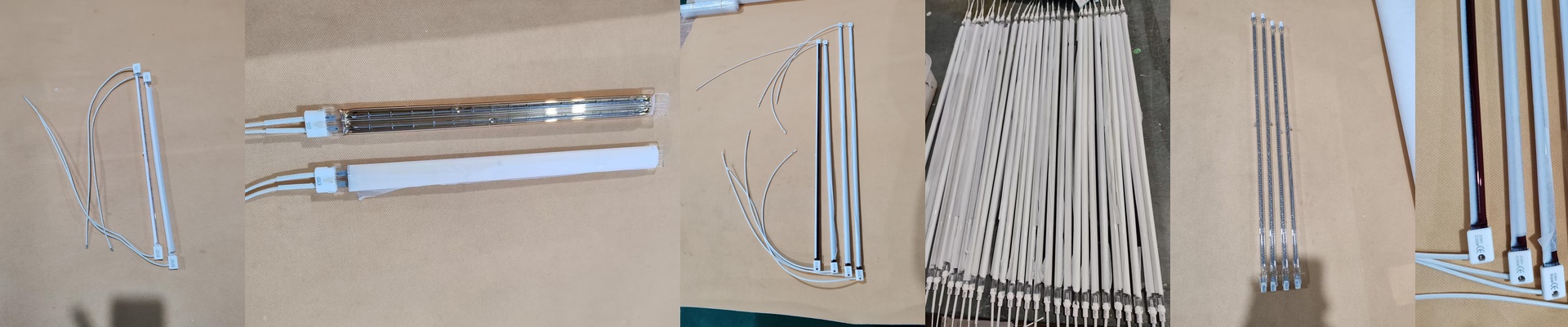
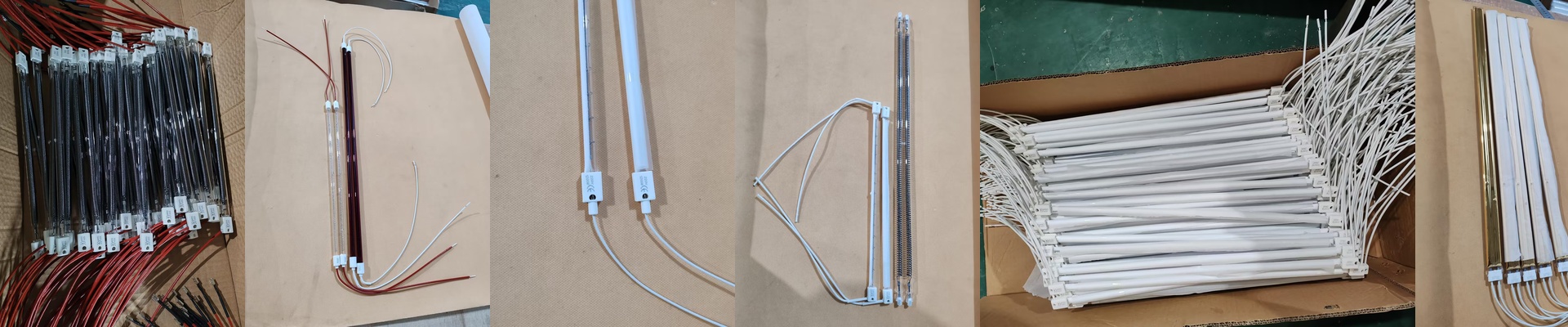
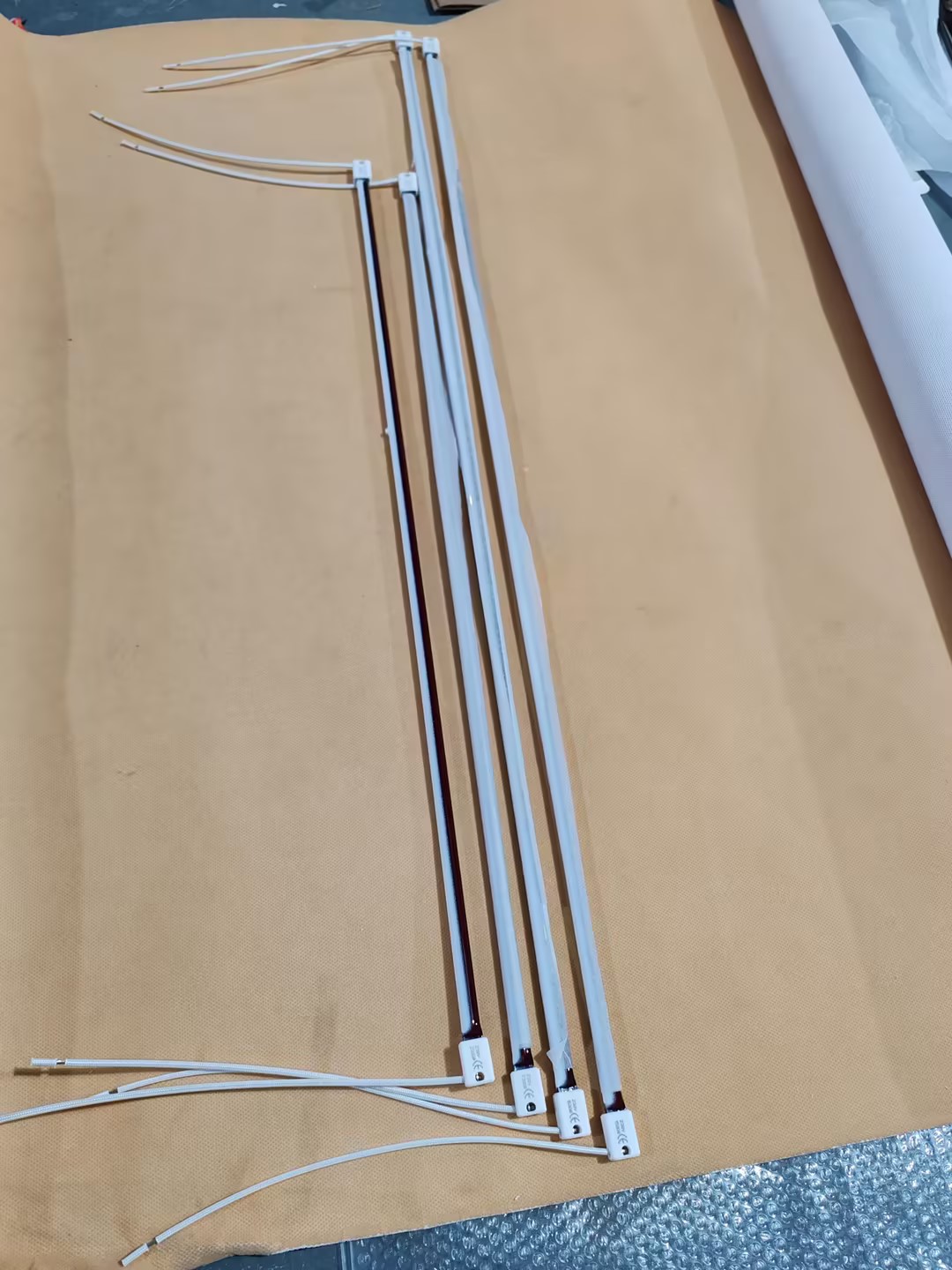
Let’s talk about our UVIR circular halogen lamps. Basically, these things are built to blast concentrated infrared energy into your industrial thermal processes—and they do it fast. Inside, there’s a tungsten filament tucked into a high-purity quartz envelope. We fill that envelope with a specific halogen gas mix. Why? Because it stops the filament from evaporating. It’s a simple cycle, but it’s what lets these lamps last longer and run much hotter than your average lightbulb. The Power Stuff Depending on how much space you’ve got in your machine, we can tweak the wattage and voltage. Here is a pro tip: if you go with a higher voltage, you can pull less current for the same amount of heat. That means you can use thinner wiring without worrying about everything melting down. But be careful. If you go for a high-wattage tube, the heat density jumps up quickly. Make sure your cooling fans and exhaust systems are actually beefy enough to handle the extra warmth. If they aren’t, you’re looking at a warped lamp housing, and nobody wants to deal with that. Getting Them Connected We use standard connectors like R7s or SK15. We did this on purpose so they just slide right into most PET blowing or shrink-tunnel ovens. No fuss. We use quartz glass because it doesn’t freak out when the temperature swings. Some of our versions even come with a special coating. This shifts the emission spectrum so the heat actually hits your material instead of just warming up the air around it. It makes the whole transfer process way more efficient. Where They Actually Work You’ll mostly see these in circular arrays for preheating PET bottles. Because they’re curved, the heat wraps evenly around the plastic preform. This is huge because it prevents those annoying thin spots in the bottle walls. The best part? These lamps hit full power almost instantly. You can flick them on and off rapidly to keep your temperatures exactly where they need to be. One last thing:**Check your wiring.**Make sure those contacts at the R7s base are tight. A loose connection creates a hotspot, and that’s the fastest way to melt your socket.