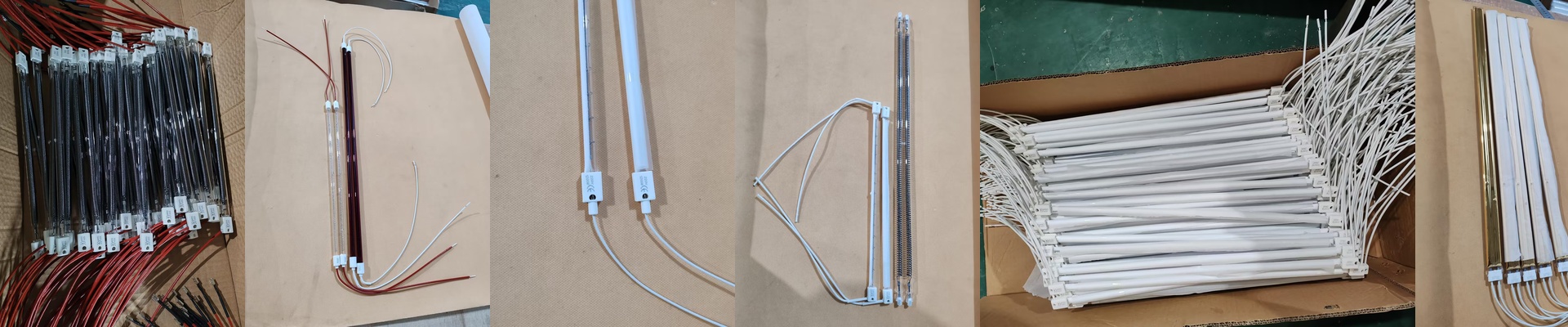
Stop Overpaying for Your Infrared Lamps
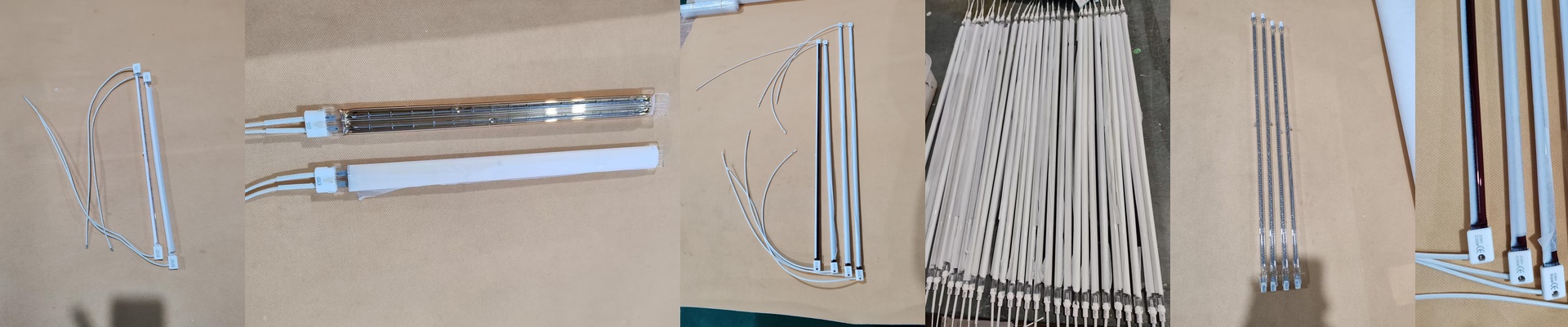
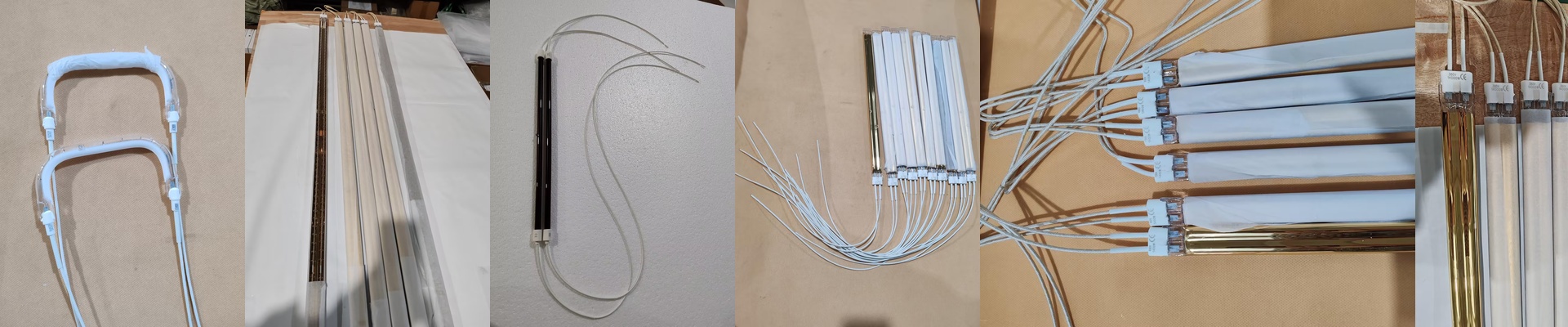
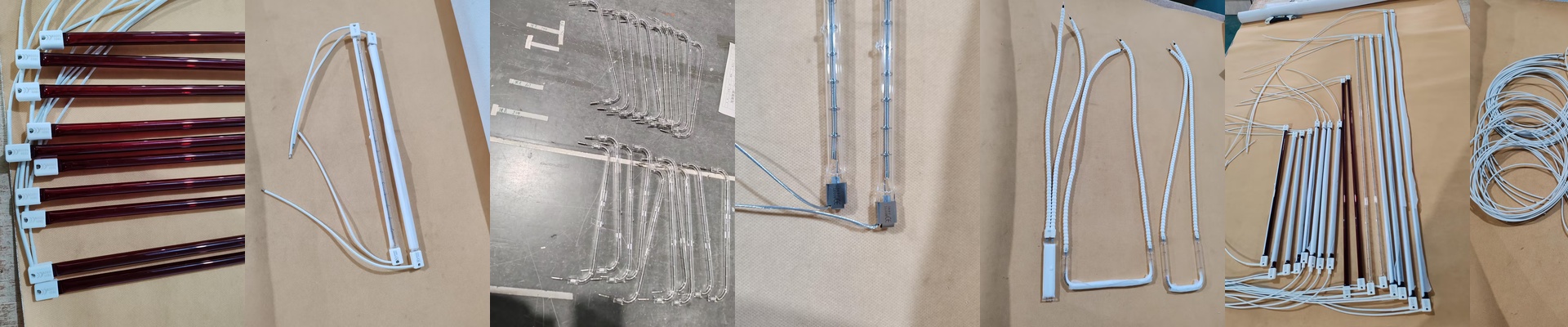
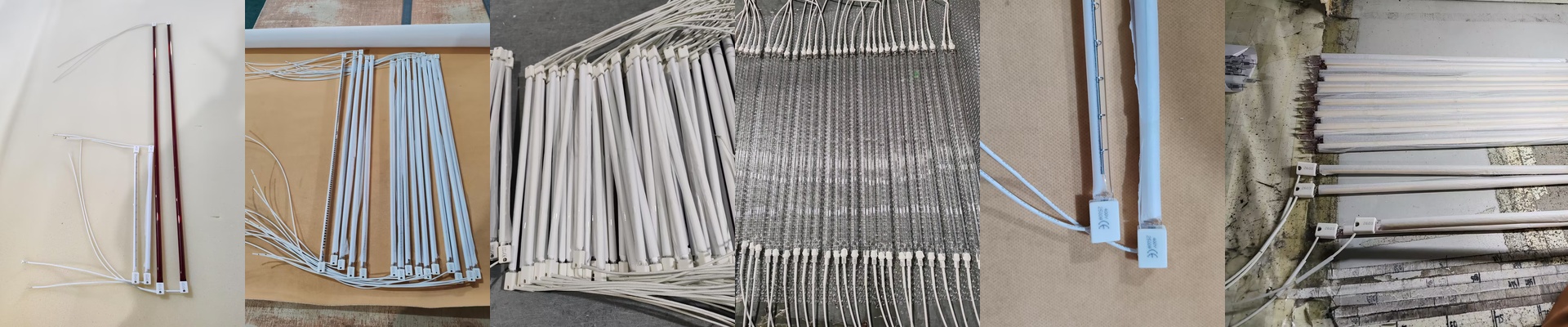
I’ve talked to plenty of engineers who swear by European or American infrared lamps. They feel like they need that big-name brand to get the thermal stability they want. But here’s the thing: when you’re doing PET blowing or thermoforming, physics doesn’t care about the logo on the box. Heat is heat. You can get the exact same performance with domestic short-wave tech. You just don’t have to pay the “brand tax” to get it. Let’s talk about the actual heat. When you’re picking a lamp, it all comes down to power density. If you’re running a high-wattage tube—something like 2000W+ at 400V—you’re pushing a lot of heat into a very small space. That’s the only way to keep your cycle times fast. We use high-purity quartz glass because, frankly, anything less would just warp under that kind of stress. Just be careful with your voltage. If it’s off, you’ll either fry the filament or you won’t even hit the glass transition temperature of your plastic. Simple as that. The nitty-gritty on the build. To keep these things from burning out, we use halogen-filled tubes. It creates a little cycle that puts the tungsten back onto the filament so it doesn’t thin out and snap. As for the fit? We stick to the usual R7s or Sk15 connectors. They’re basically drop-in replacements. You won’t have to spend your weekend rewiring the oven or swapping out sockets. Plus, some of our tubes have special coatings that push the heat right into the preform instead of wasting it by heating up the machine frame. The reality on the shop floor. Now, these lamps are great, but they aren’t magic. If your reflectors are pitted or covered in oxidation, even the most expensive lamp in the world is going to struggle. It’s like trying to shine a flashlight through a dirty lens. And don’t forget your fans. Make sure they’re actually built to handle the heat rise in your shop. We’ve seen domestic lamps match the “premium” brands every single time—as long as the power is stable and the reflectors are clean.