Stop Paying to Heat the Air: A Smarter Way to Handle Plastic Processing
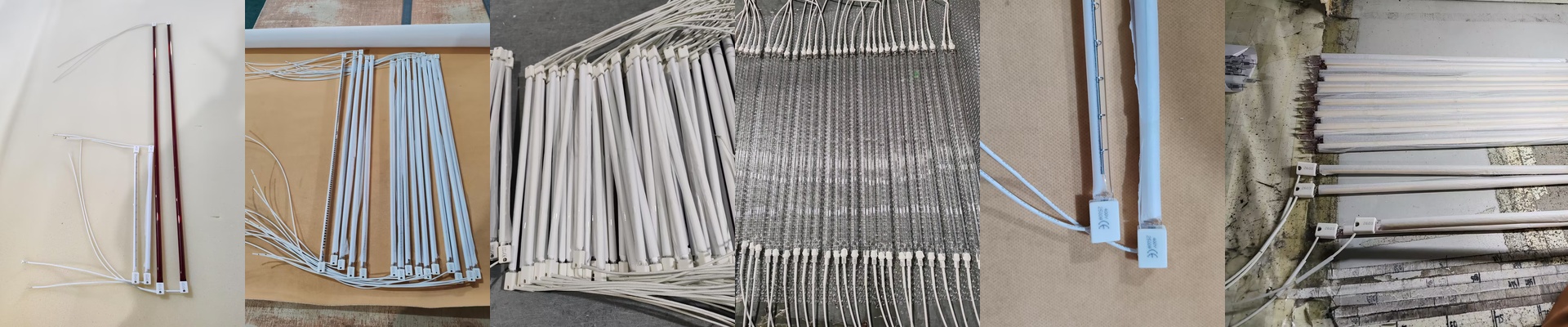
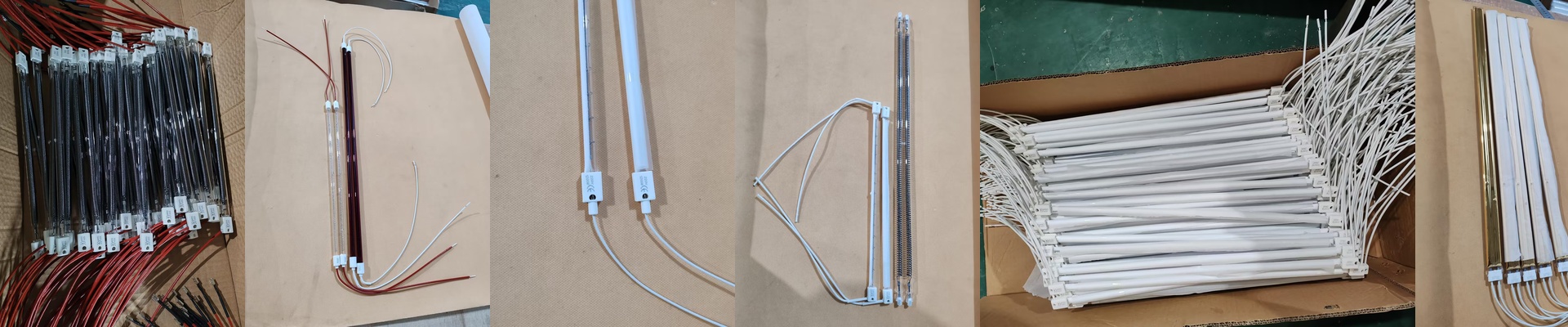
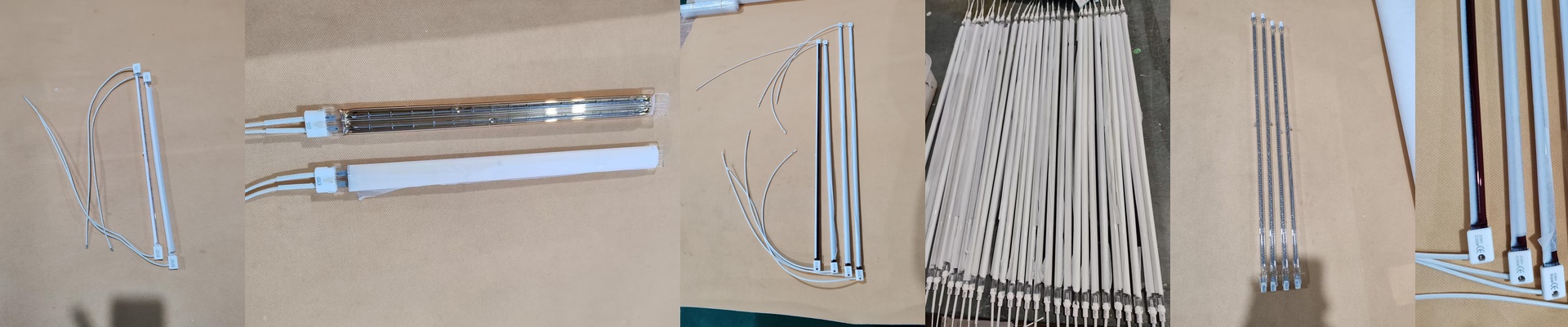
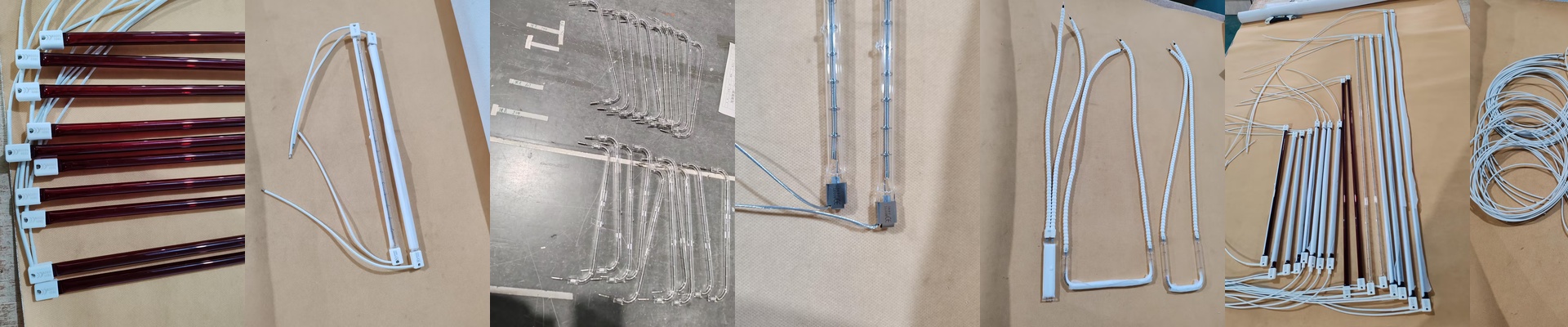
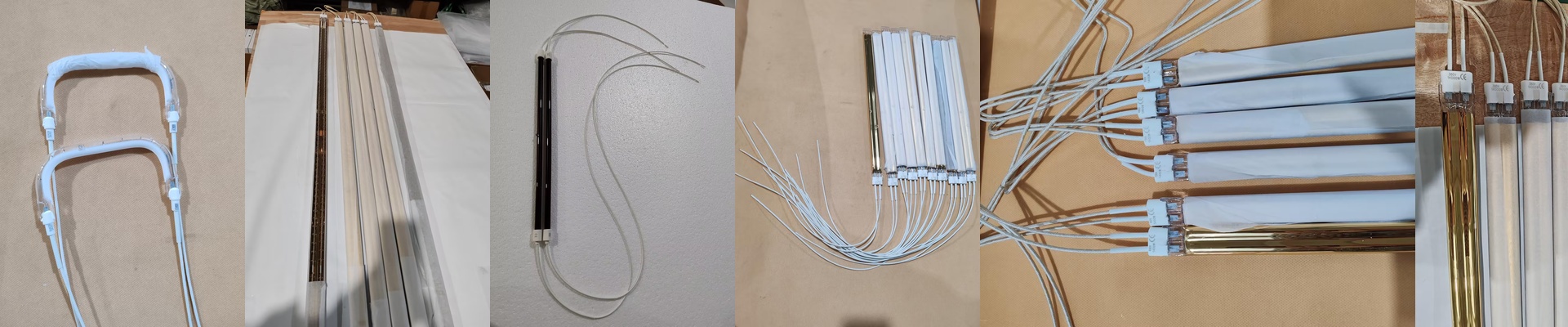
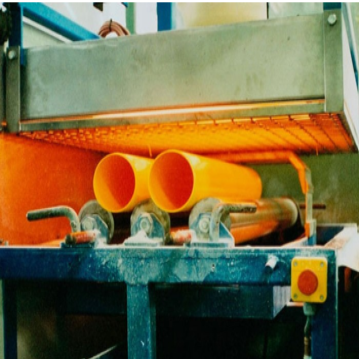
When energy prices spike, the first place it hurts is the bottom line. Most shops are still clinging to old-school heating elements that basically just warm up the air around the machine. It’s a waste. That’s why we’re seeing more people move toward high-quality shortwave infrared (IR) lamps. It isn’t just about getting a “better” light—it’s about how the heat actually hits the material. The secret is in the physics. Standard heaters are slow. They have to warm the air, then the air warms the plastic. IR lamps skip the middleman and hit the polymer directly. Because we use quartz glass and halogen gas, these things hit their target temperature in seconds. No more waiting around for long warm-up cycles while your electricity meter spins. Plus, when you match the lamp’s wavelength to your specific material—whether you’re running PET, HDPE, or PVC—the plastic just drinks up the energy. You get your parts out the door faster and use fewer kWh to do it. The hardware side of things We build these lamps to take a beating on a factory floor. We’re talking high-wattage tubes—often over 2000W—which means you can pack a massive amount of heat into a tiny footprint. It’s a huge win for your floor layout. But here’s the catch. That kind of heat puts a lot of stress on your wiring and reflectors. If you just swap in a high-output lamp without checking your current draw or updating your reflectors, you’re asking for trouble. You might fry a circuit or create “hot spots” that warp your plastic. And don’t forget your cooling fans—they need to be beefy enough to handle the extra heat around the housing. What this actually does for your wallet At the end of the day, precision IR heating just lowers the energy load for every single cycle. You can crank up the speed of your lines without worrying about the melt quality sliding. For a plant running 24/7, cutting your heating energy by even 10% is a massive win for your margins. You stop paying to heat the empty air in your shop and start paying for actual product moving through the line.