Why Some Lamps Just Last Longer
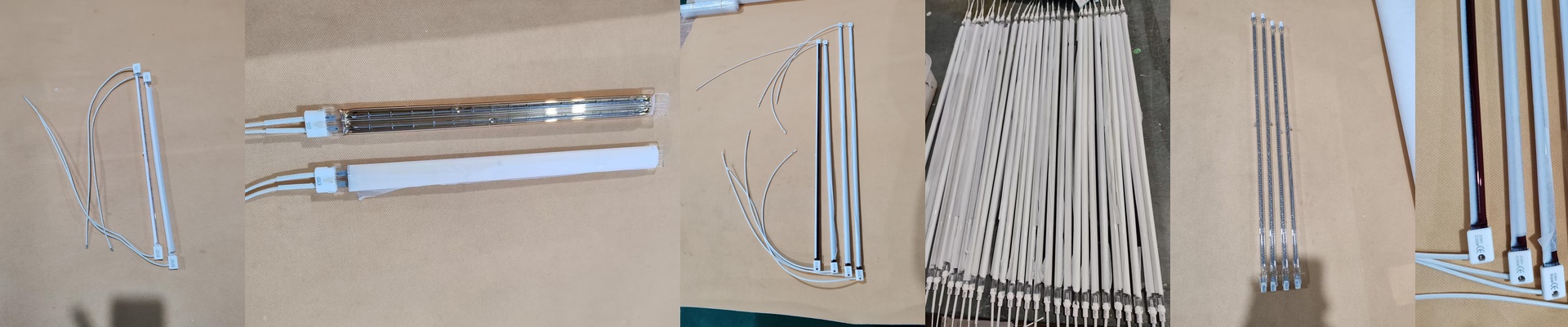
A lot of engineers think they’re just paying for a logo when they buy those expensive, top-tier quartz lamps. I get why. It looks like brand markup. But in reality, the difference is all in the guts—the purity of the quartz and how the tungsten filament is actually built. If you’re doing PET blowing or thermoforming, you know that consistency is the only thing that matters. When your lamps start dying at different times, your heat zones drift. Then your scrap pile starts growing. It’s a headache nobody wants. The science of the “pop” We use the same high-purity synthetic quartz and grade-A tungsten as the big-name brands. There’s a good reason for that. When glass has impurities, it undergoes “devitrification.” Basically, the glass crystallizes under high heat, creating these tiny weak spots. That’s usually where the crack starts. Then there’s the filament. This is where the real battle is won or lost. Cheap filaments are uneven. They have these tiny “thin spots” that create hotspots, and those hotspots burn out fast. We keep the diameter tolerances tight so the current flows evenly across the whole tube. That’s how we get those long operational hours without charging you a “premium” tax. The trade-off Here’s the thing about stability: you want your wattage to stay the same over thousands of cycles. When you’ve got a high-density heating array, a stable thermal footprint makes your life a lot easier. But you have to be honest with your settings. If you overdrive the voltage just to get a faster ramp-up, you’re going to kill the filament sooner. It’s a balancing act. You have to decide if a faster cycle time is worth a more frequent replacement schedule. Making it work The best part? These are just drop-in replacements. Since we match the material specs of the market leaders, you don’t have to mess with your reflectors or spend all afternoon tweaking your PID controllers. You get the same heat and the same lifespan, but you stop overpaying for the name on the box.