Let’s Talk About Halogen IR Tubes
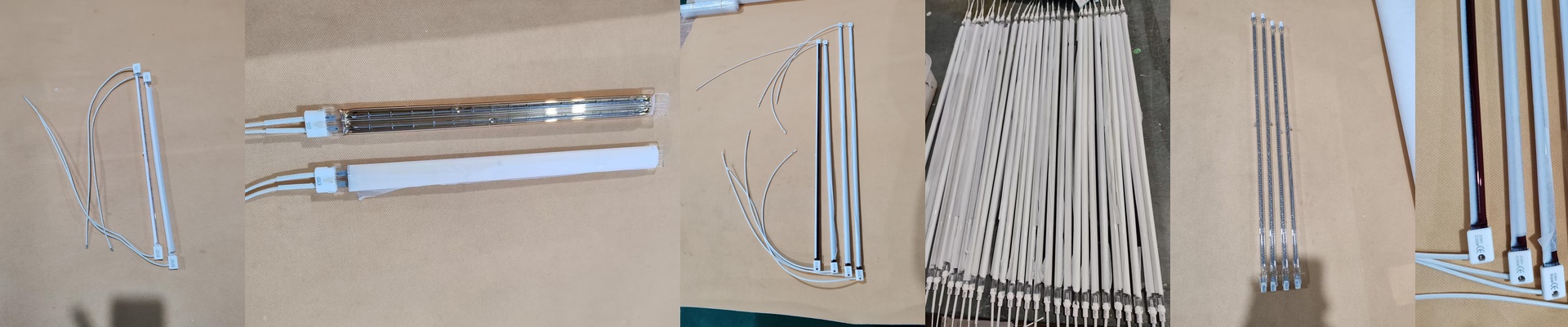
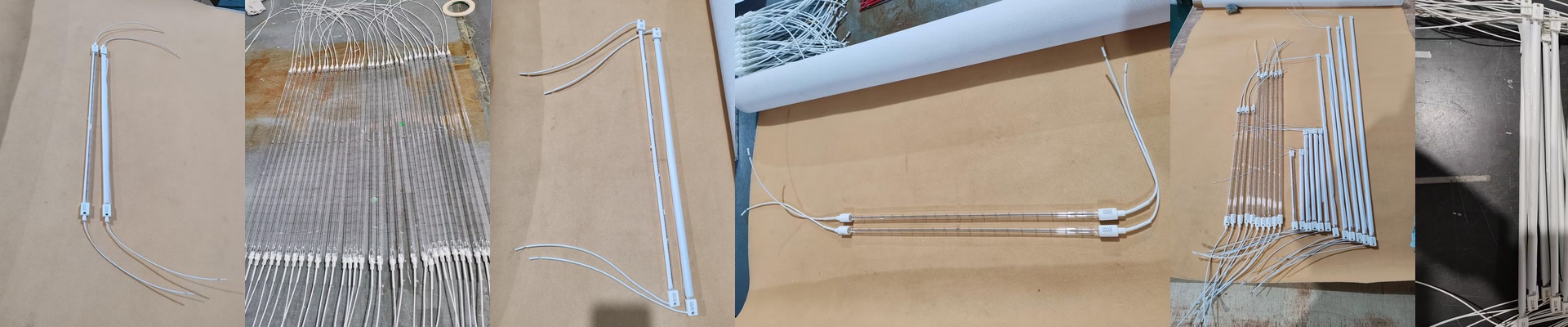
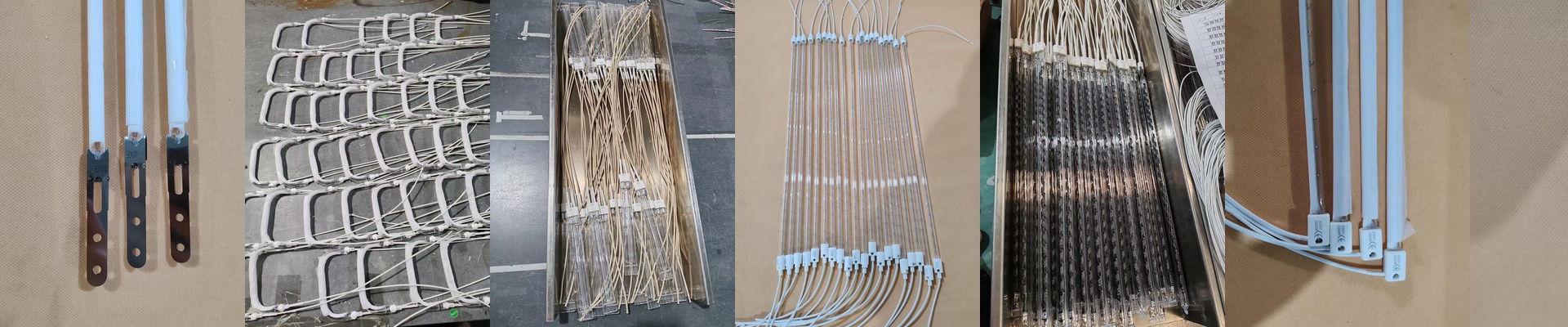
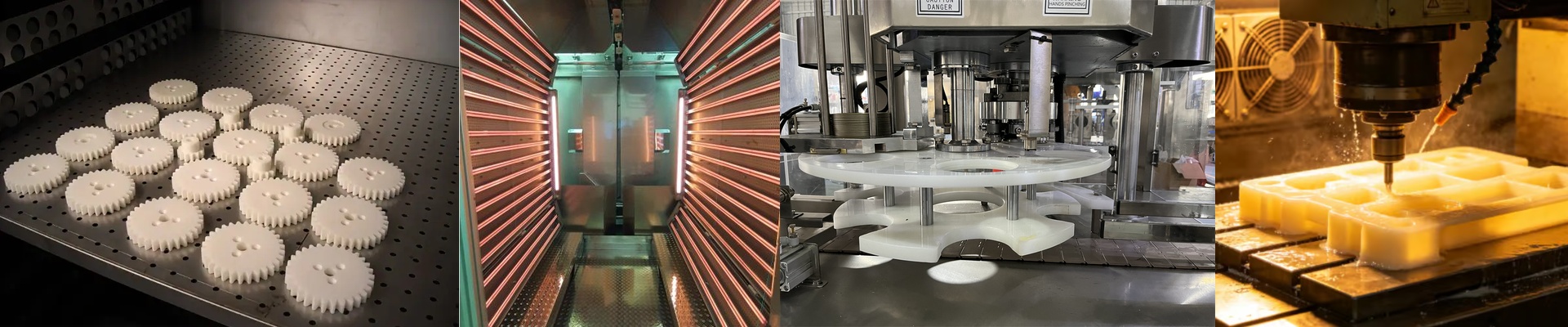
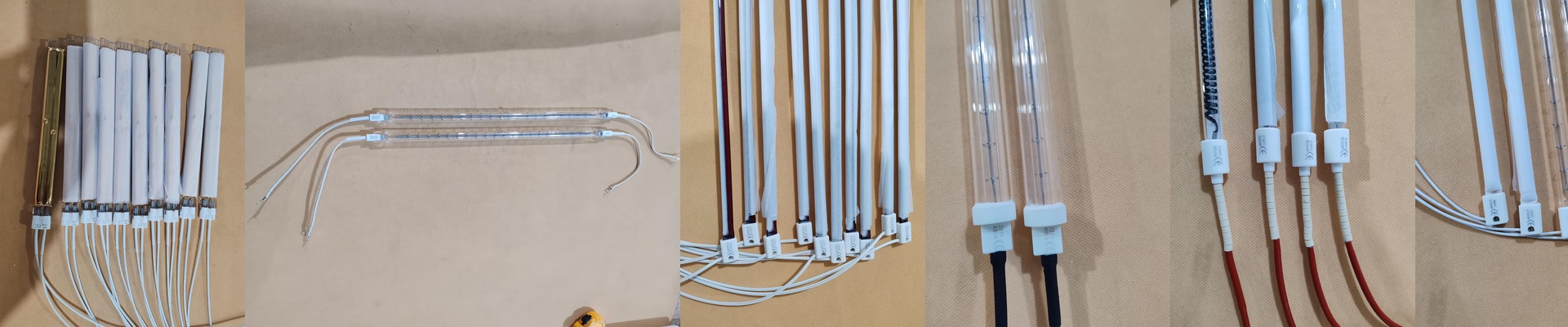
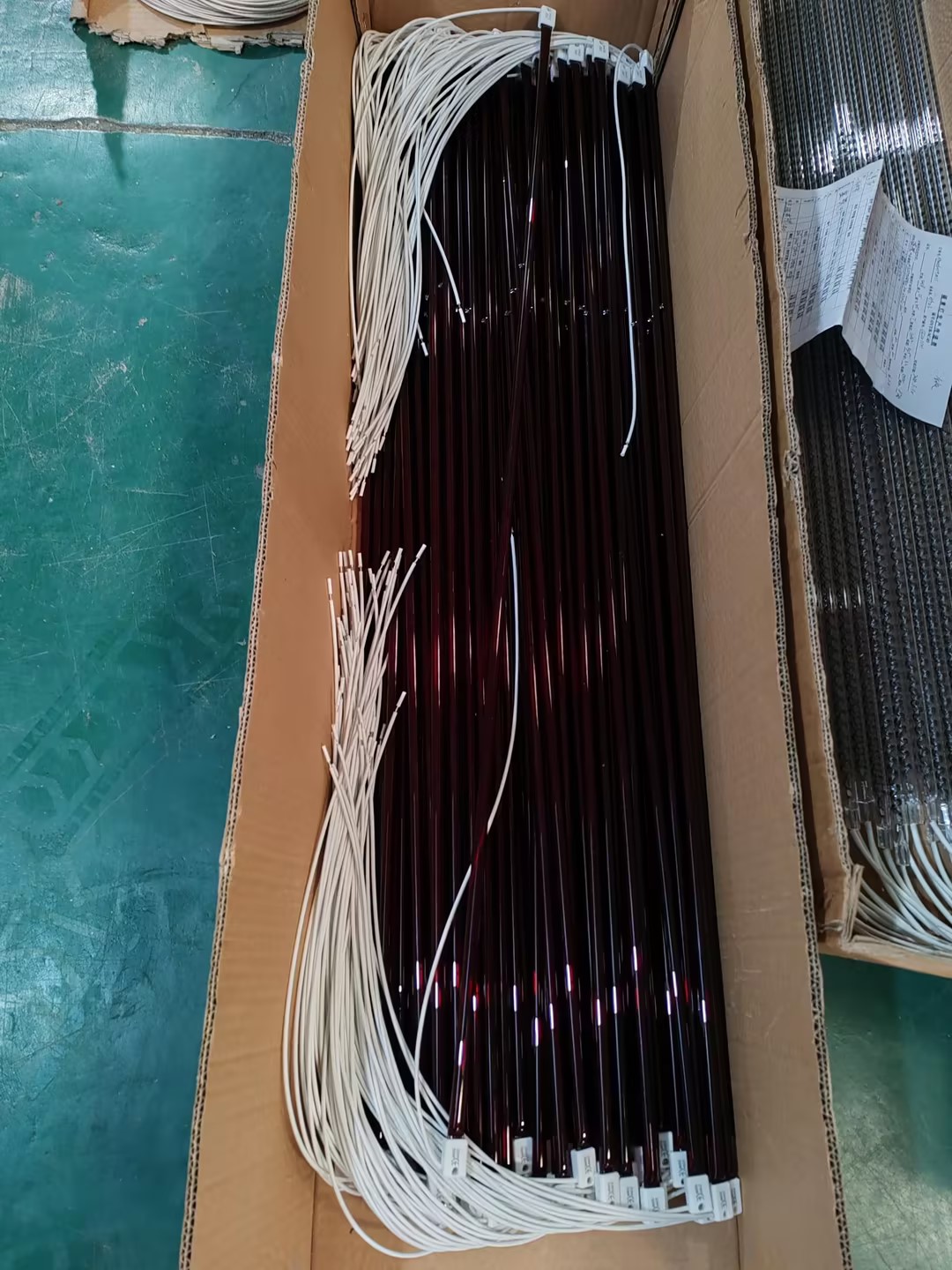
If you need heat—and you need it right now—halogen infrared tubes are your best bet. We basically take a tungsten filament, tuck it inside a quartz tube, and fill the whole thing with a specific halogen gas mix. Why the gas? Because it lets the filament run way hotter without just evaporating away. That’s how you get that intense, shortwave heat that hits your target instantly. The tricky part: Power Here is where things usually go sideways for engineers. It’s all about the balance between voltage and wattage. If you cram too much wattage into a short tube, you’re creating a massive heat density. It’s powerful, but it’s aggressive. Also, if you’re choosing between 230V and 400V, the 400V setups tend to keep the current much more stable over longer lengths. Just a heads-up: watch out for that initial cold-start surge. Check your contactors. If they’re undersized, they’ll fry the moment you fire up multiple IR banks. It’s a headache you don’t want. Quartz and Connections We use high-purity quartz because, frankly, anything else would warp or melt under this kind of stress. Depending on what you’re running, you’ll probably use R7s or Sk15 connectors. They’re standard, so they usually just drop right into most industrial ovens without any fuss. Some of our tubes have special coatings, too. These act like a mirror, bouncing the heat back toward your part instead of letting it leak into the machine frame. It’s a simple way to stop wasting energy. The Trade-off These tubes are a dream for PET blowing and curing lines because they hit temperature in seconds. It’s incredibly fast. But there’s a catch. Since the surface gets so hot, your shielding and cooling fans have to be spot on. And please, keep these things clean. If a bit of oil or dust lands on the quartz, it creates a hot spot. That hot spot will crack the glass, and then you’re replacing the whole tube. Keep them spotless, and they’ll treat you right.