The Hidden Cost of Waiting on the OEM
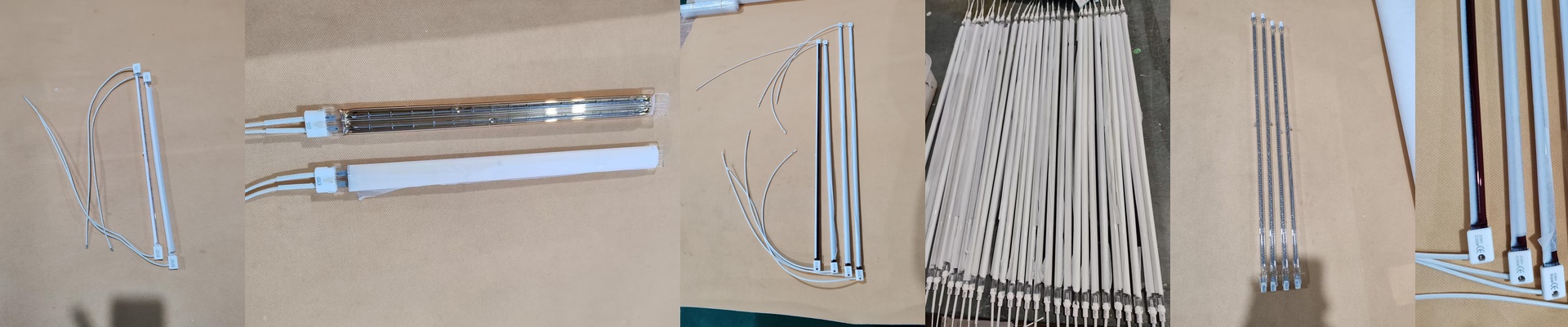
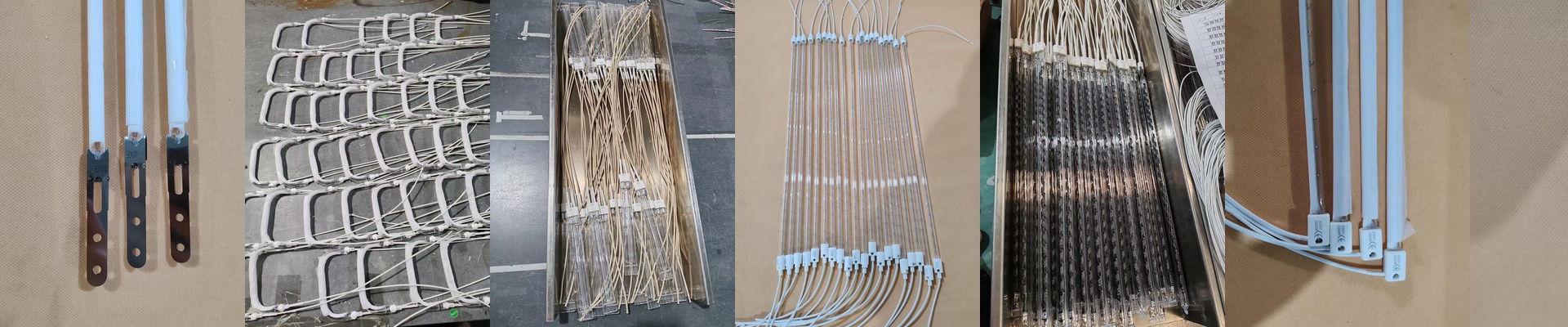
Imagine this: a heating element pops on your PET blowing line or your thermoforming machine. Just like that, everything stops. Most plant managers do the “standard” thing. They call the OEM, open a ticket, wait for a quote, and then stare at a shipping window that feels like it lasts a lifetime. Meanwhile, your production line is just sitting there. Dead. All because some corporate office is slowly processing a request. It’s frustrating. And it’s expensive. Here is the tricky part. These machines aren’t simple. You’ve got high-density quartz lamps or specific ceramic heaters that need to be exact. If the voltage or wattage is off by even a little bit, you’re either tripping breakers or you aren’t hitting the glass transition temperature needed to actually shape the plastic. “Close enough” doesn’t cut it here. But the real headache isn’t just the part—it’s the people. Waiting for a factory technician to fly in is a luxury most of us just can’t afford. That’s why having someone local makes all the difference. We’re talking about getting on-site for diagnostics and installation within 24 hours. We get the new elements wired up, tune the PID controllers, and get you moving again while the OEM is still checking their calendar. Now, you might wonder if going local means sacrificing quality. Short answer? No. You can get drop-in replacements that match the original heat density and wavelength perfectly. The only real shift is how you handle your gear. Instead of leaning on a pricey service contract, you take the reins. Keep your critical spares on the shelf. Have a local engineer who knows how to troubleshoot the wiring on the fly. When you do that, the OEM bottleneck just disappears. You stop paying for a fancy brand name and start paying for the only thing that actually matters:uptime.