Stop Paying Extra Just for a Logo on Your IR Lamps
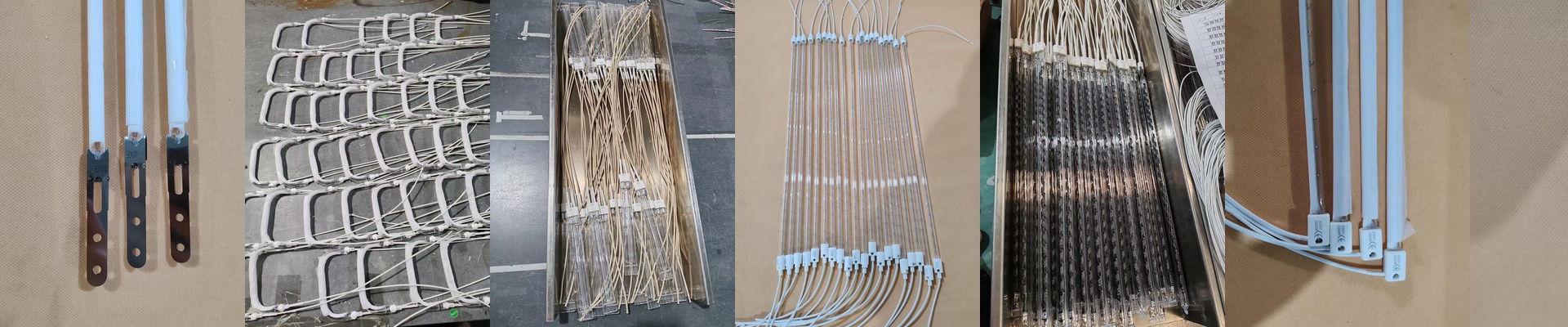
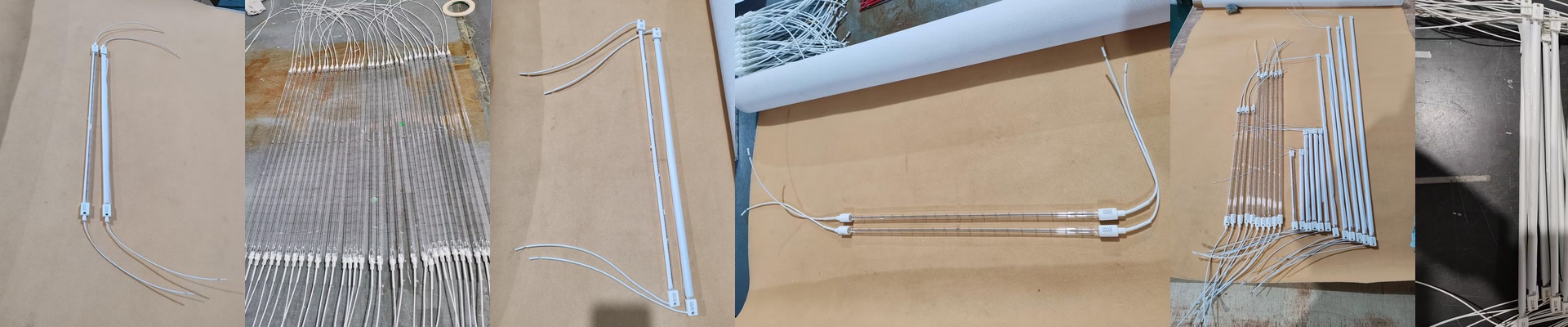
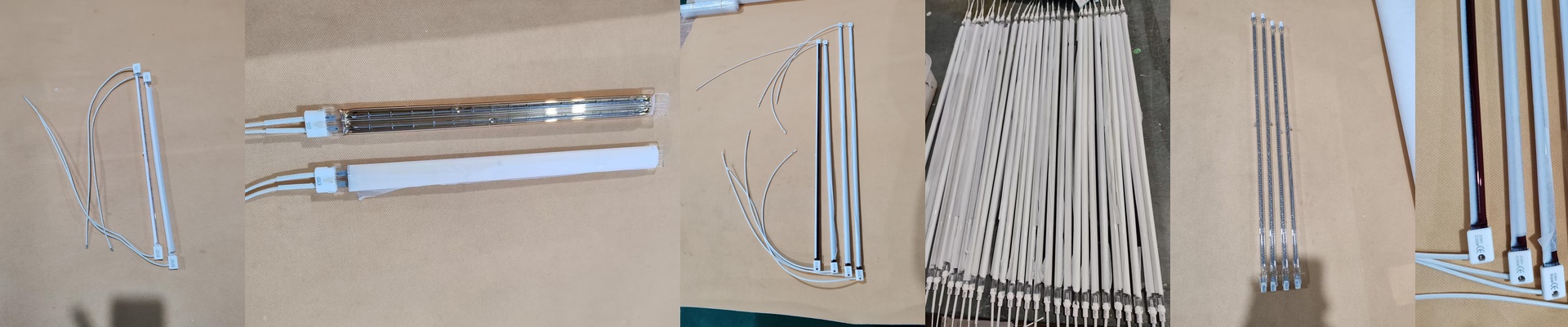
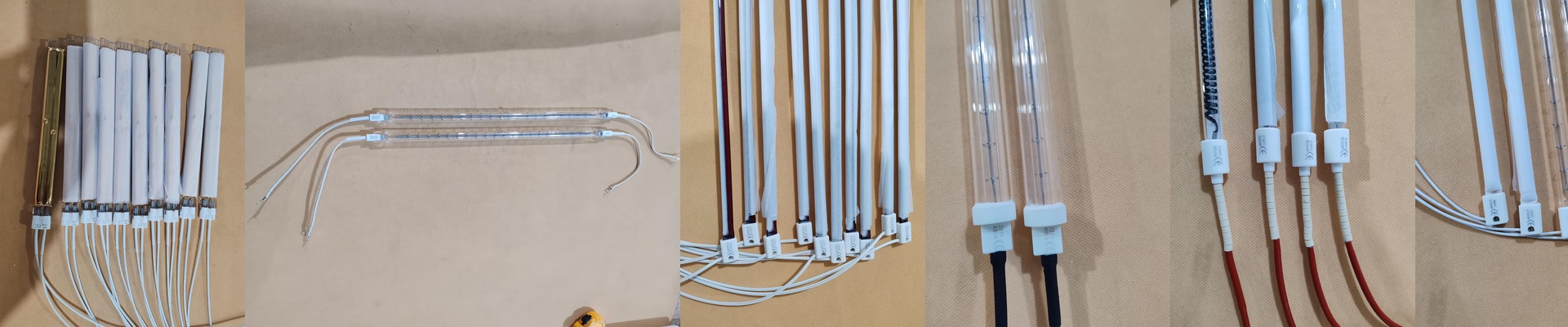
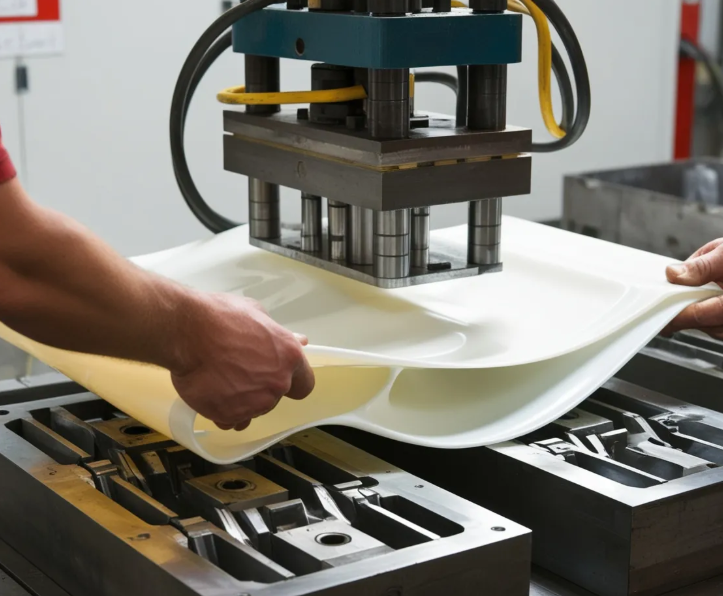
I’ve seen it happen a hundred times. Engineers will spend a fortune on imported infrared lamps, convinced that the brand name is what’s keeping their line running. But here’s the thing: physics doesn’t care about a logo. Heat transfer is heat transfer. The truth is, domestic shortwave lamps have caught up. You can swap out those overpriced units for local ones and get the exact same thermal punch. Let’s talk power. If you’re doing PET blowing or thermoforming, you know the drill. You need a massive burst of heat to hit that glass transition temperature fast. Like, really fast. We build our tubes to handle the heavy lifting—usually between 220V and 400V—pushing 2500W or more into a tiny 300mm space. It keeps your cycle times snappy. If you try to cheap out with a low-spec lamp, your preheating zone will lag. That’s when you start seeing those annoying sags or uneven walls in your bottles. Not a good look. The nitty-gritty stuff. We use high-purity quartz glass because it actually lets the shortwave radiation get through to the plastic. Depending on what polymer you’re running, we can even add specific coatings to tweak the spectrum. And don’t worry about the wiring. We stick to the standard R7s or Sk15 connectors. You just pop them into your existing sockets and you’re good to go. No need to tear apart your control cabinet or spend a weekend rewiring everything just to switch brands. One quick heads-up. Since these lamps match the heat output of the premium brands, they get incredibly hot. We’re talking intense, localized heat. If your cooling fans are old, dusty, or just plain clogged, your socket housing might melt. The lamp is doing its job perfectly, but your hardware has to be able to take the heat. So, stop overpaying for a fancy name. Just look at the wattage per centimeter. That’s the only number that actually matters.