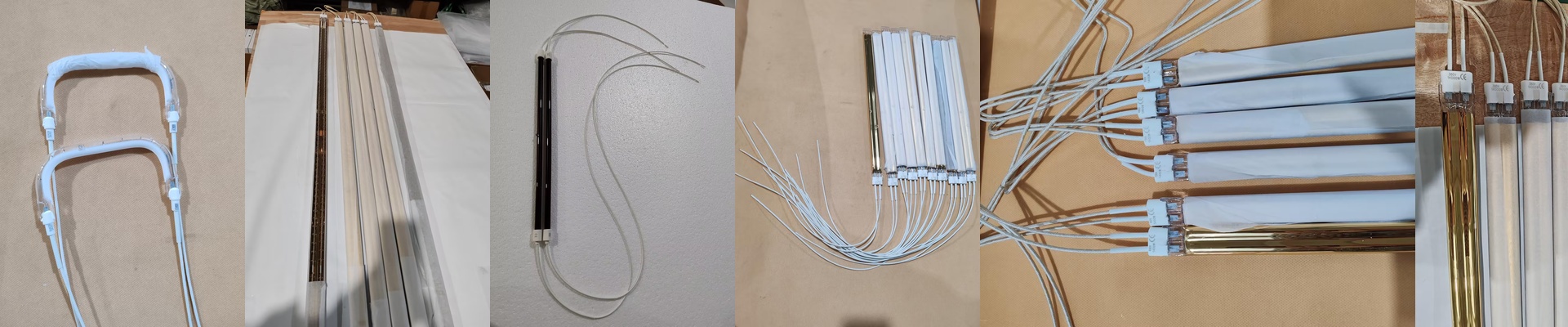
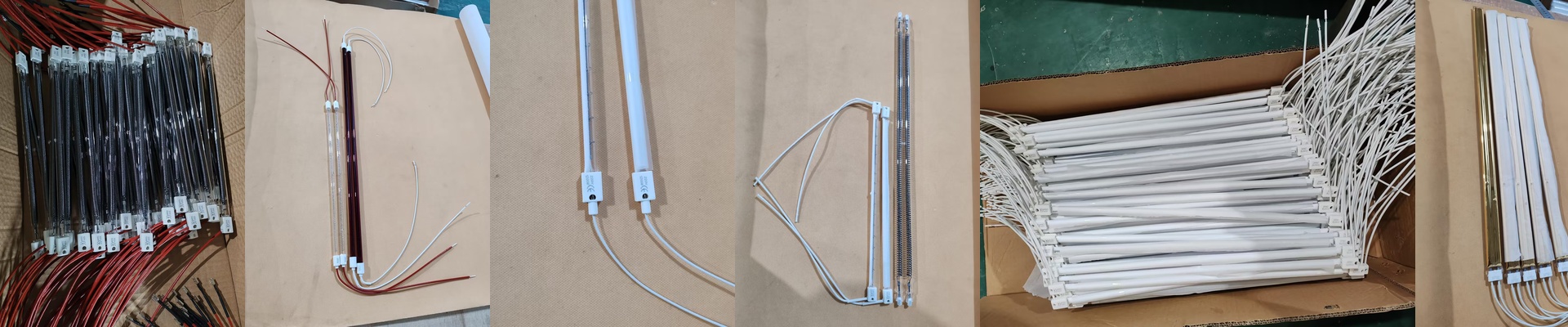
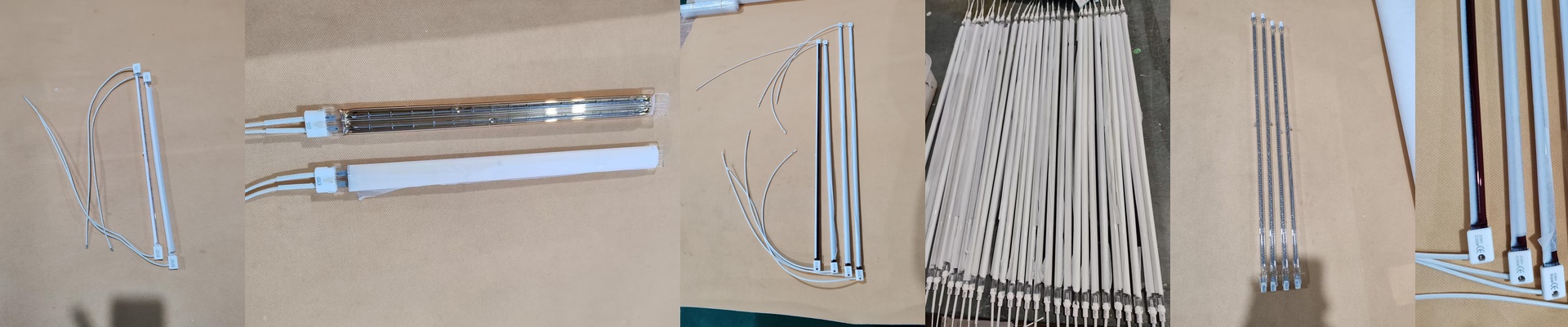
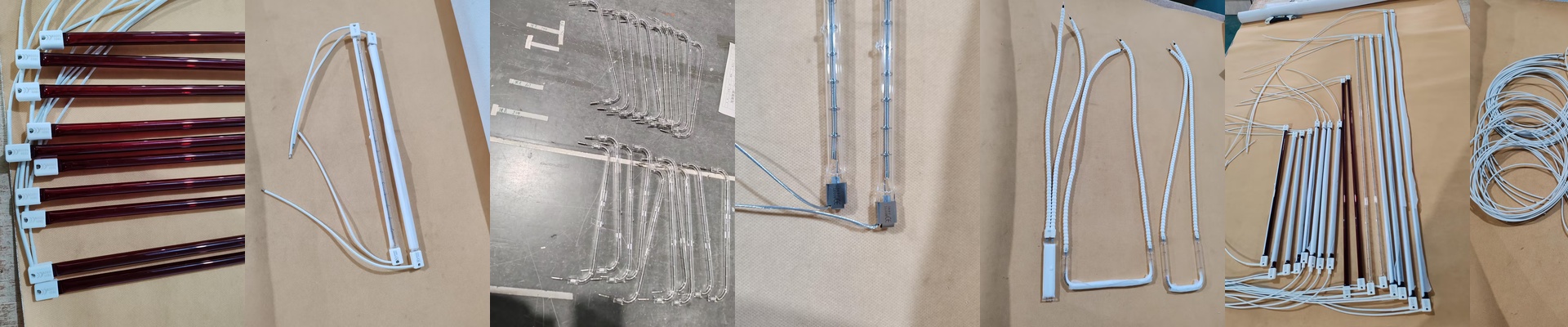
Can you actually cut plastic heating costs by 20% just by swapping elements?
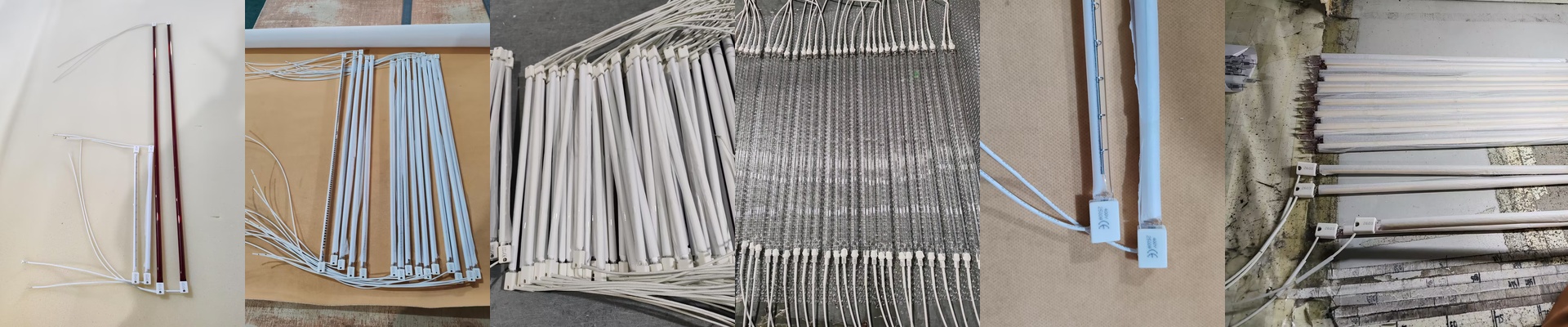
If you’re running an older plastic processing line, you probably know the feeling. You look at those old heating tunnels and just know they’re bleeding electricity. It feels like you’re paying to heat the entire warehouse instead of just the product. You might be wondering if you can actually hit a 20% energy saving goal just by swapping out the infrared (IR) elements, or if you’re stuck rebuilding the whole oven from scratch. The truth? It mostly comes down to how your current setup handles heat. The secret is in the wavelength Most of those old tunnels use wide-spectrum emitters. The problem is they’re messy. They waste a ton of energy heating up the oven walls and the air around the plastic. It’s inefficient. We switch those out for medium-wave or short-wave quartz elements. Think of it like switching from a floodlight to a laser. Instead of heating everything, these target the plastic directly. You get a faster warm-up and the power draw stays much lower. Making it work without the headache You can’t just grab any random lamp and plug it in. That’s a recipe for a disaster. We figure out exactly which elements fit your current footprint so you don’t have to spend a fortune modifying the chassis. If we move you over to halogen-filled tubes, you get a lot more heat density. And here’s the best part: you can actually run fewer elements at a lower duty cycle and still keep the plastic at the exact temperature you need. The “Gotcha” Nothing is perfect. More efficiency means more intense heat. If your line is running slow, you run the risk of scorching the plastic or warping it. You’ll need to spend some time recalibrating your PID controllers. Plus, it’s worth double-checking that your old wiring can handle the specific current draw of the new gear. The real-world result Swapping your IR elements is probably the fastest way to lower your kWh per kilo. It takes a clunky, legacy machine and makes it lean again. Plus, if you can snag some green finance incentives for energy retrofits, the gear usually pays for itself in 6 to 12 months. Not a bad trade.